Specialist Sports Therapist

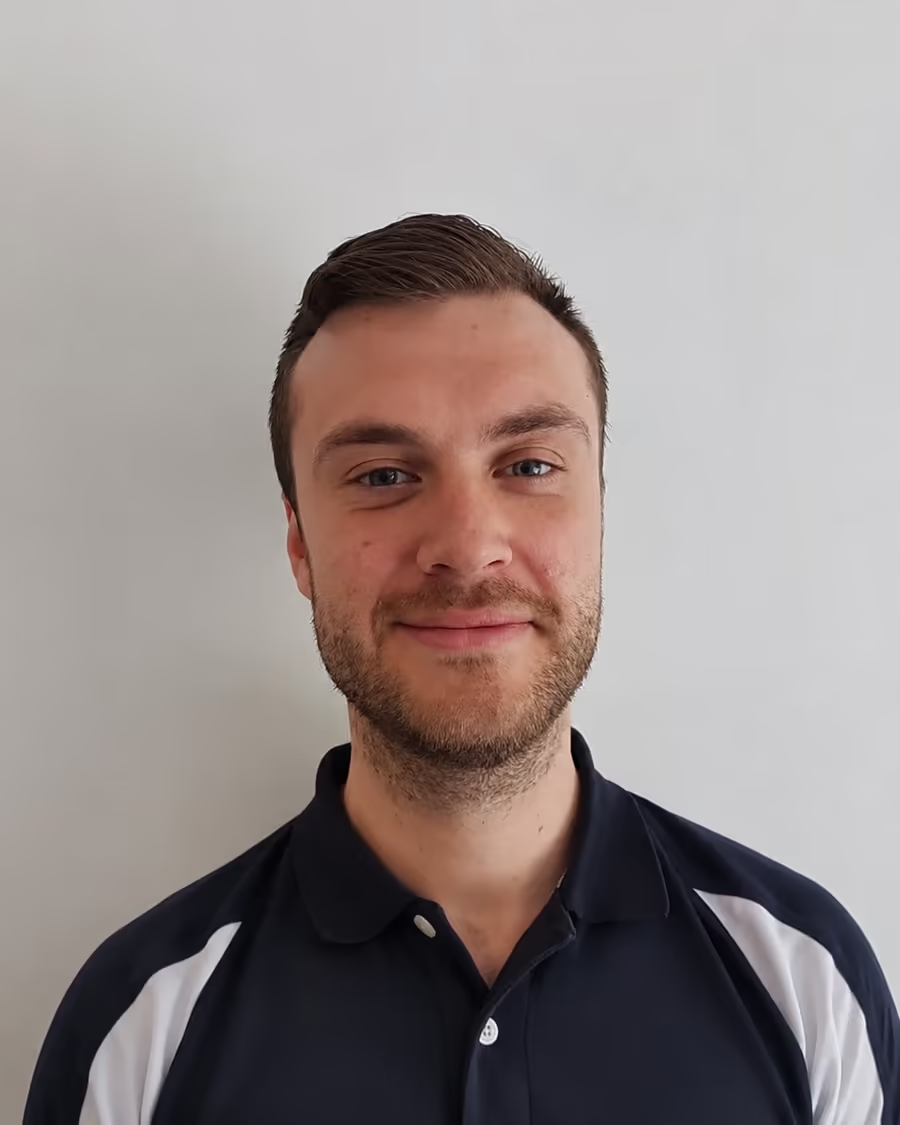
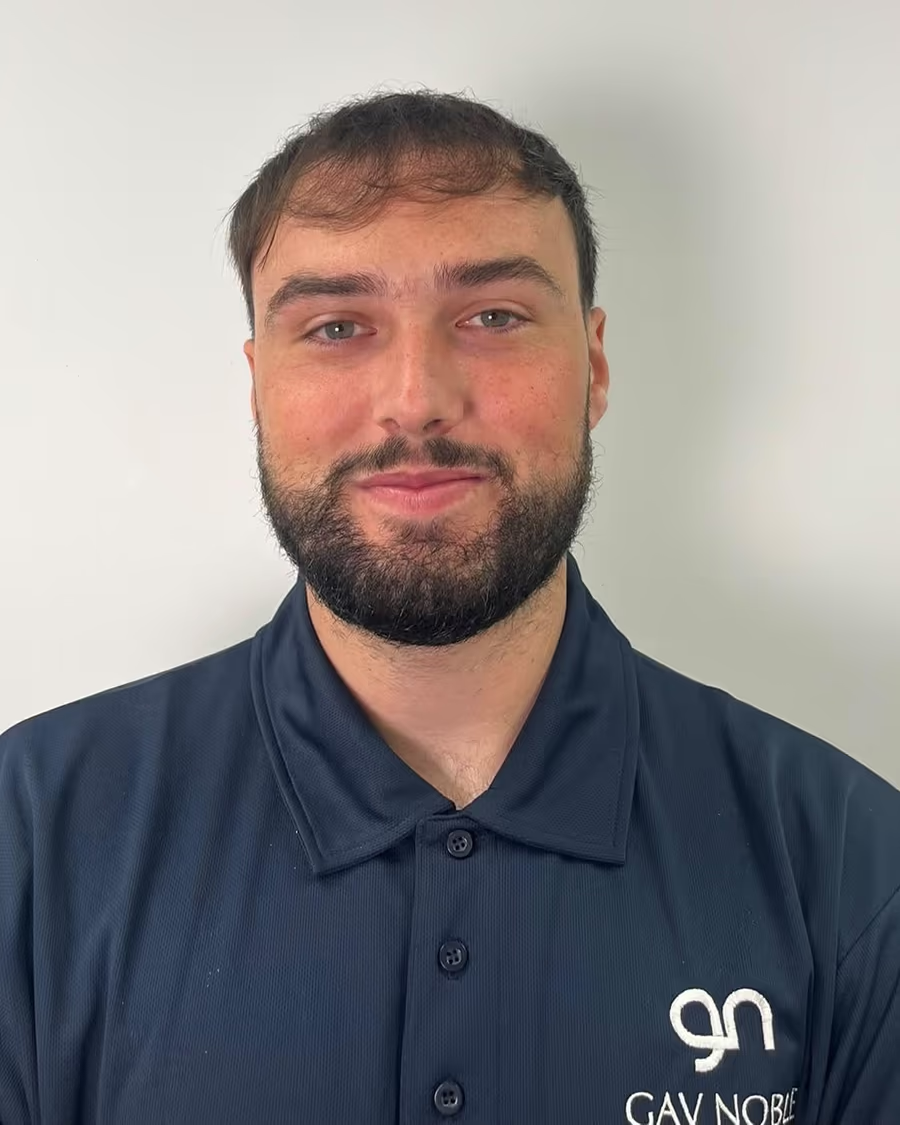
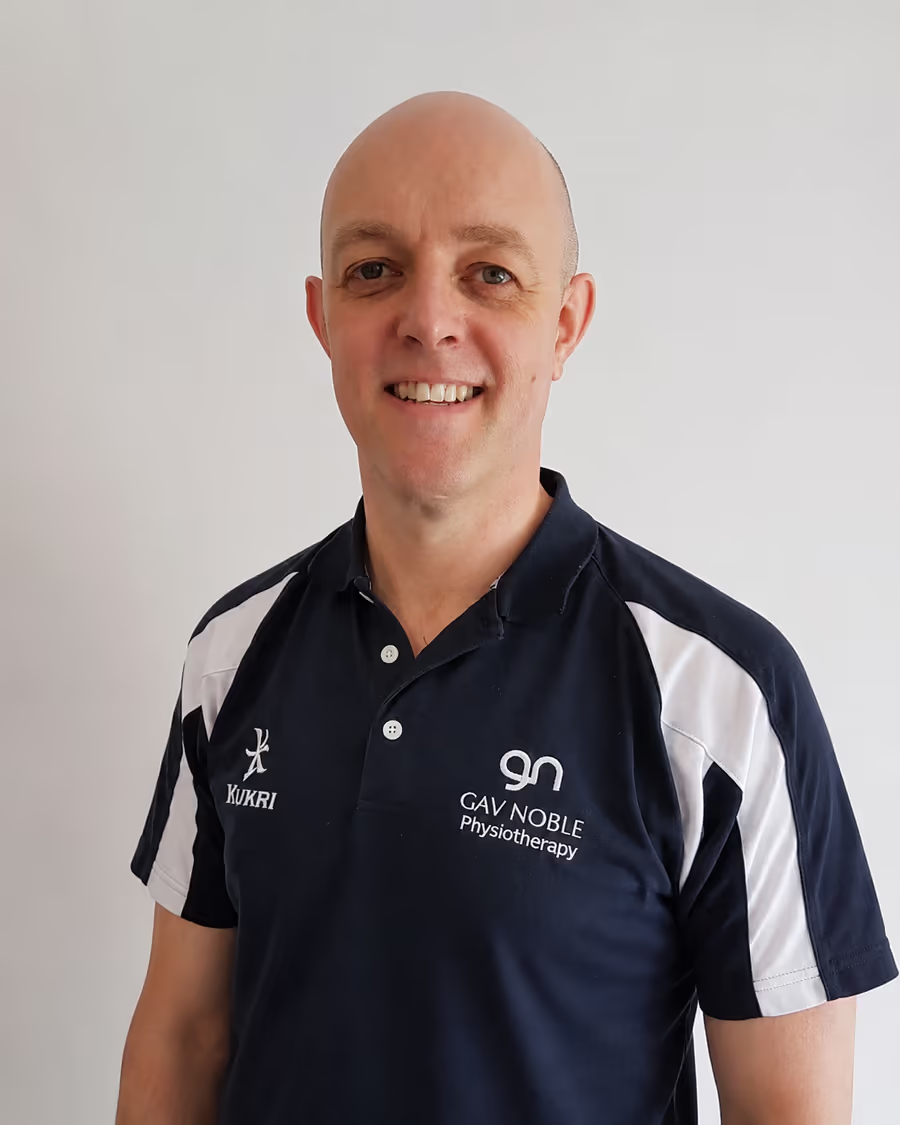
Sam Hamill

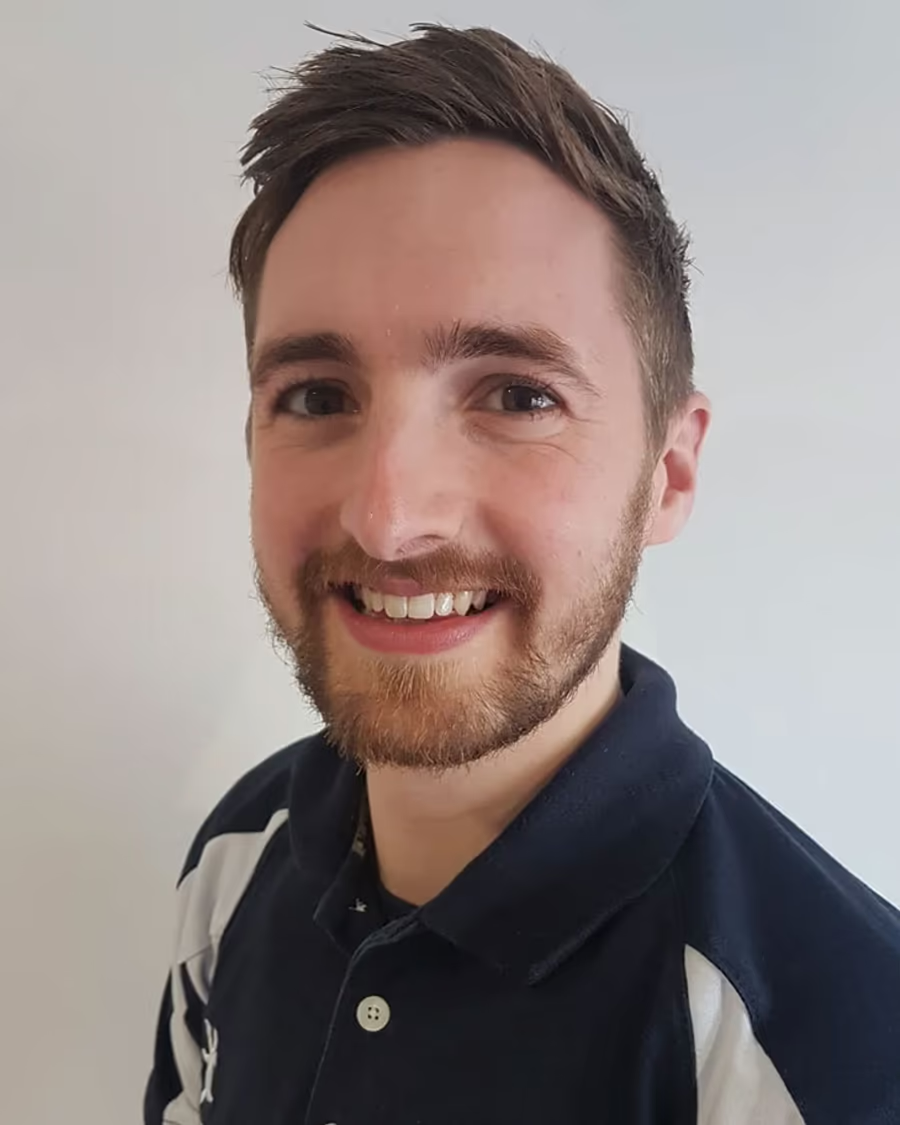
Sam Hamill, Specialist Sports Therapist at Gav Noble Physiotherapy

Sam Hamill

First-Class Hons Degree in Sports Therapy

Quick Facts

A Little More About Sam

Favourite condition to treat
Sciatica/back pain
Favourite hobby
Football
Tea or coffee
Tea
Favourite music
The Cranberries
Favourite food
Steak
Dream holiday
Japan
Dogs or cats
Dogs
Favourite exercise
Squats
Favourite book
American Psycho
Favourite movie
Wall-E
Best advice I have ever been given
If you don’t believe in yourself, no one will.
Favourite thing about working at Gav Noble Physiotherapy
How welcoming the staff are
In Conversation

In Sam's Words

Tell us a little about yourself.

I’m a qualified Sports Therapist with over two years of experience in private MSK clinics, and I’m really passionate about helping people get back to doing what they enjoy. Outside of work, I’m a big fan of sport and keeping active, particularly going to the gym and playing football, and — unfortunately — supporting Man United.
What do you enjoy most about helping patients/clients?

Giving clients peace of mind that they can get better, and giving them a clear plan on how I will get them there, as you’re able to see the relief that gives.

How would your patients/clients describe you?

Friendly, able to have a good laugh, and approachable to listen to any fears or questions they may have.

What is one piece of advice you wish everyone knew about pain or injuries?

Not to fear pain but try to understand it, as it’s not always a stop sign but just an opportunity to change direction.

What's your favourite success story?

I had a client with long term back pain who had even tried surgery as an attempt to reduce their pain, which had failed. After asking about their fears and goals they mentioned they didn’t want to be the parent on holidays who couldn’t lift their child or take part in fun, which they had been. We set the goal to be able to lift their kid above their head and to not feel their back pain when playing with them, which we achieved, and now they are without back pain and in the gym lifting weights far heavier than their child.

Outside of work, what do you enjoy doing?

Outside of work I mainly go to the gym to practice what I preach, as well as play football. Although I don’t mind chill nights with a cup of tea.

Favourite way to stay active?

Mainly going to the gym, as that has kept my back pain at bay.

What's something people would be surprised to know about you?

I am very well renowned for my balloon animals — I do a mean giraffe.

What treatment techniques do you enjoy using?

Whilst I enjoy using manual therapy techniques, I mainly like to use acupuncture/dry needling to remove muscle stiffness or pain, as it saves my thumbs from arthritis.

What inspired you to become a Sports Therapist?

My family members had injuries and accidents causing them pain, and I always wanted to know how they could be helped and who did it — and this is where my curiosity led me.

What types of conditions do you particularly enjoy treating?

I particularly enjoy treating back pain as well as nerve induced back/leg pain, as I’ve had my own journey with it so I understand what challenges people have both physically and mentally.

What does a typical appointment with you look like?

A client will come in where I would lay out the session and listen to their problems, fears and goals. This will be followed by an assessment of their injury, then an explanation of what’s going on and a treatment plan of how we are going to achieve their goals.

What areas of therapy are you currently studying?

I’m currently looking into paediatric injuries, as their management is slightly different to adults and it’s an interesting topic.

Which courses or qualifications are you most proud of?

I’m most proud of my first class honours in my sports therapy degree, as I put a lot of work into it and now I can reap the benefits by using what I’ve learnt to help others.

If someone was nervous about booking an appointment, what would you say to them?

It’s natural to be nervous about any health appointment, but the sessions are to help you and to be listened to, where you can get clarity on what’s bothering you and an answer to the all important question of how is it going to get better.

What's the biggest myth about therapy?

‘Treatment itself will fix me.’ Whilst treatment has an important role in your recovery to help empower you and reduce pain, for long-term independence and strength the exercises that you are given are highly important to carry out.

What do you hope every patient feels when they leave your treatment room?

I want people to leave my treatment room understanding what the next steps/session looks like and, of course, leaving feeling better than when they came in.