Condition

What Causes Knee Pain?

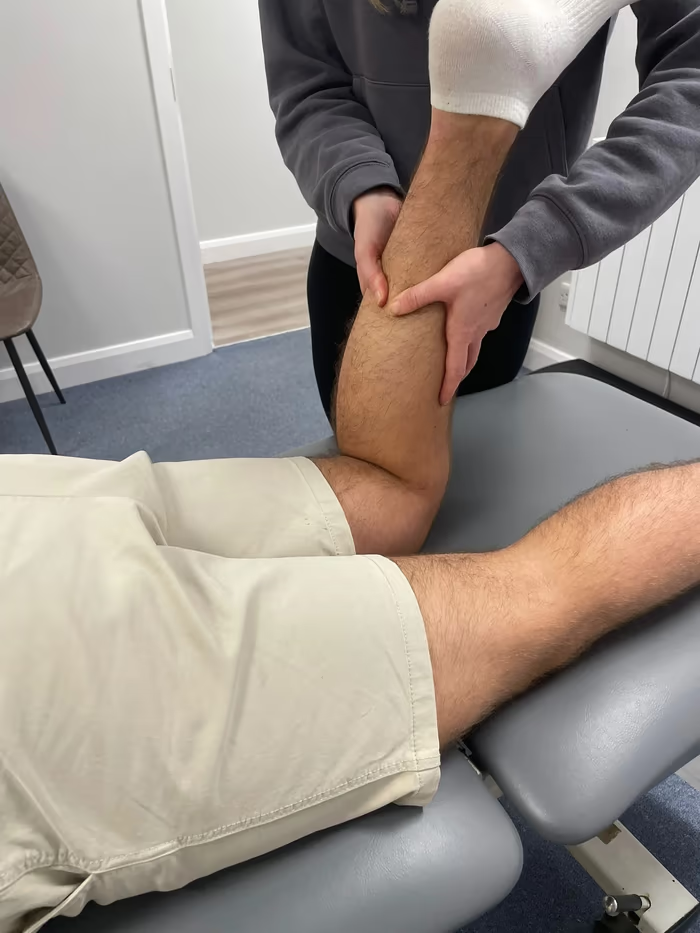
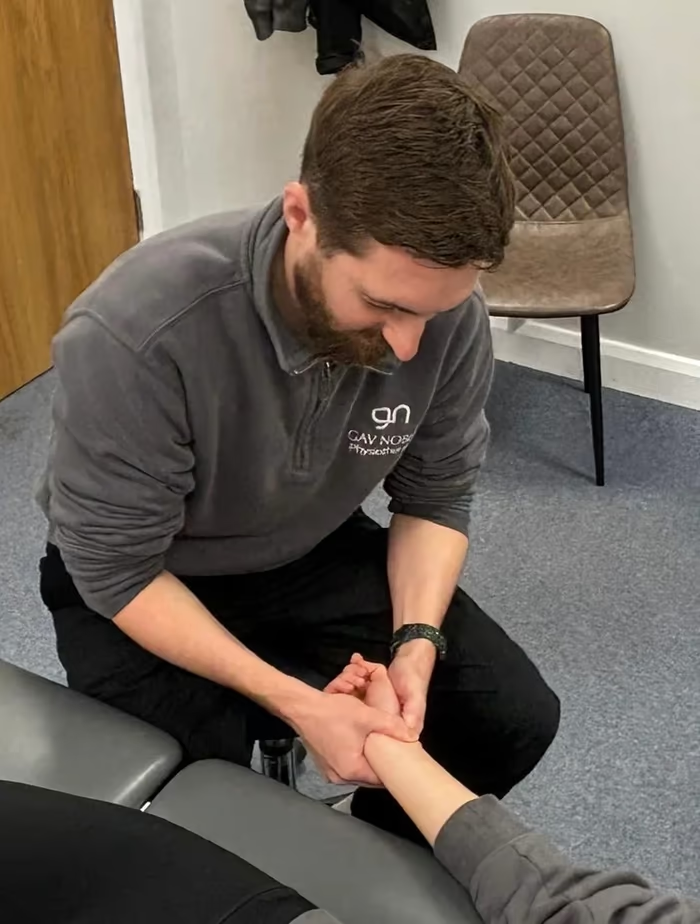
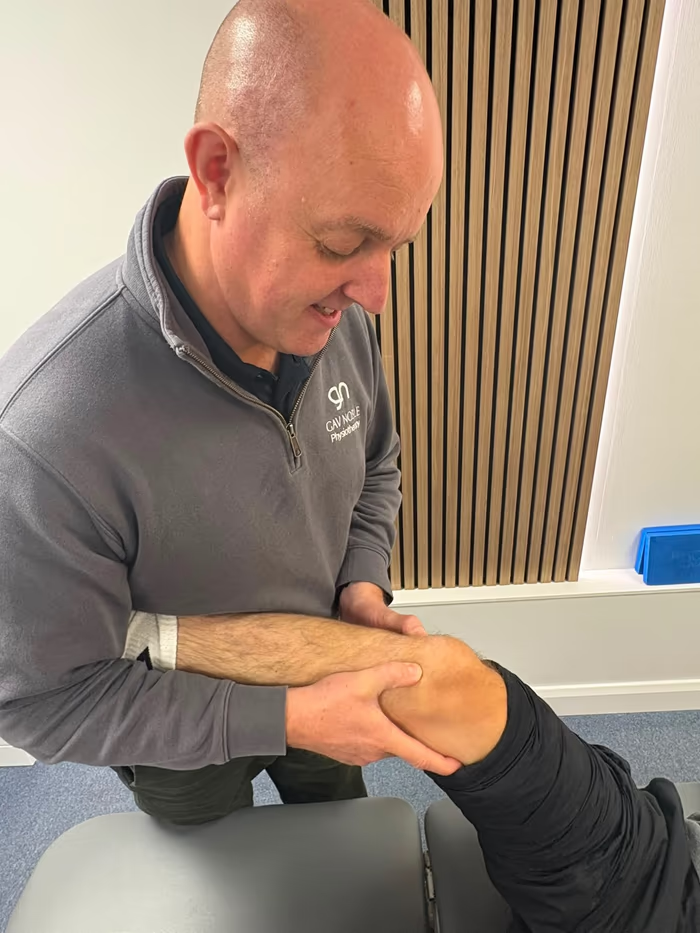
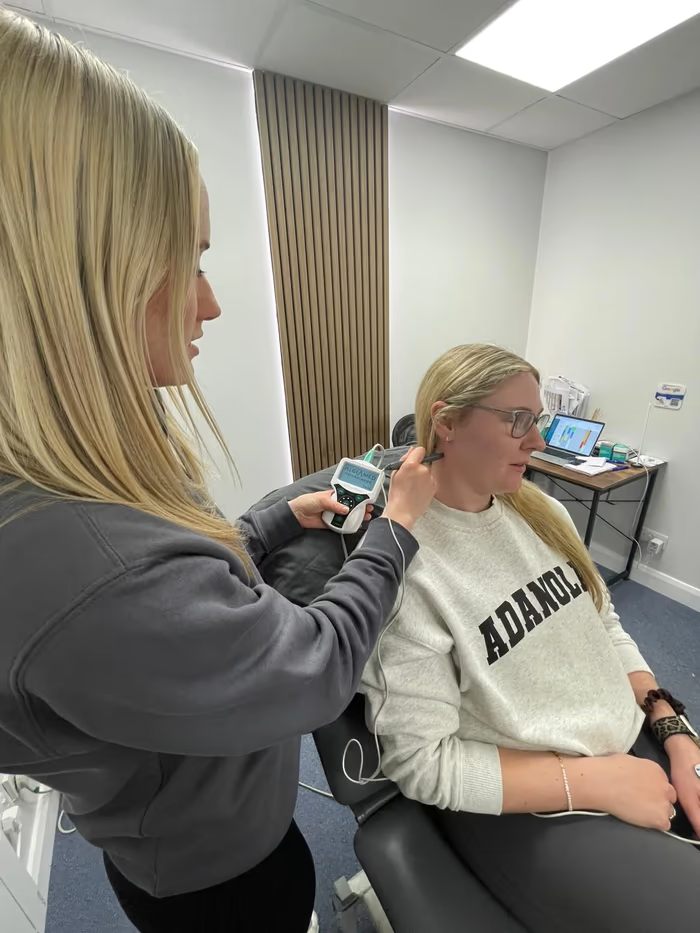
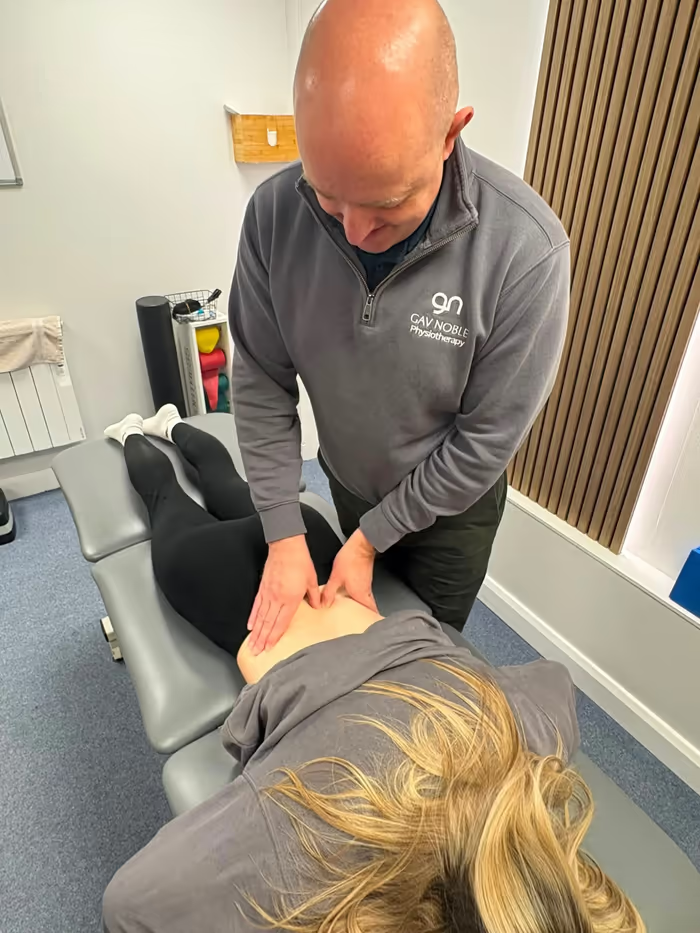
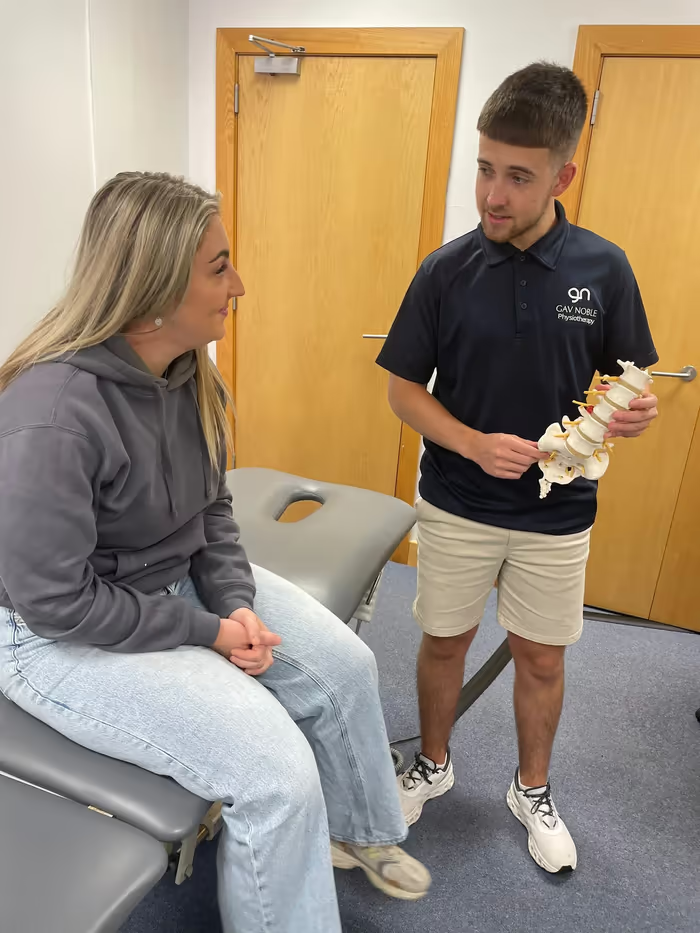
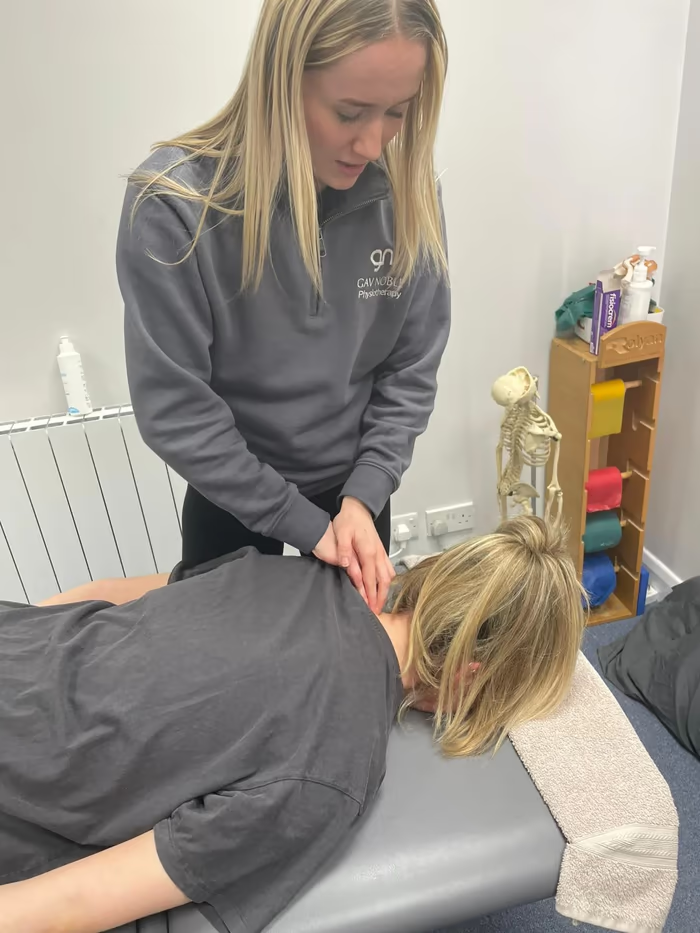
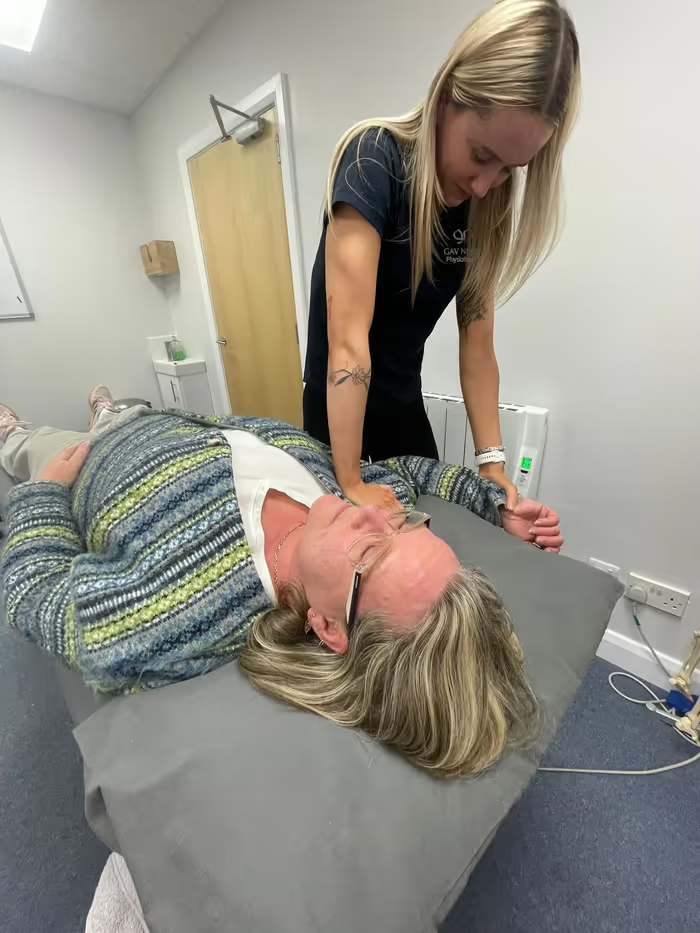
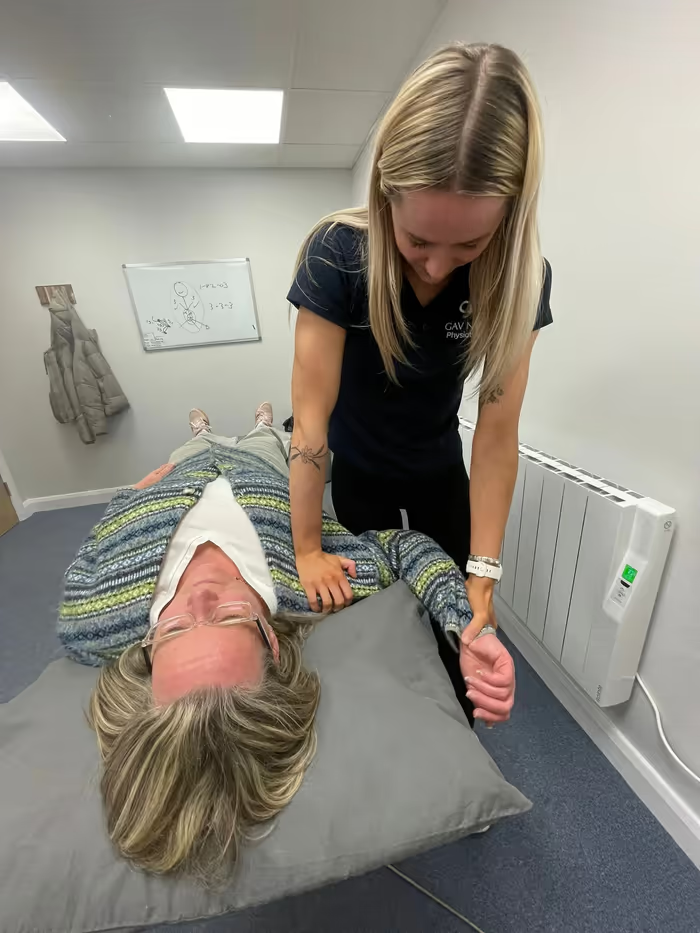
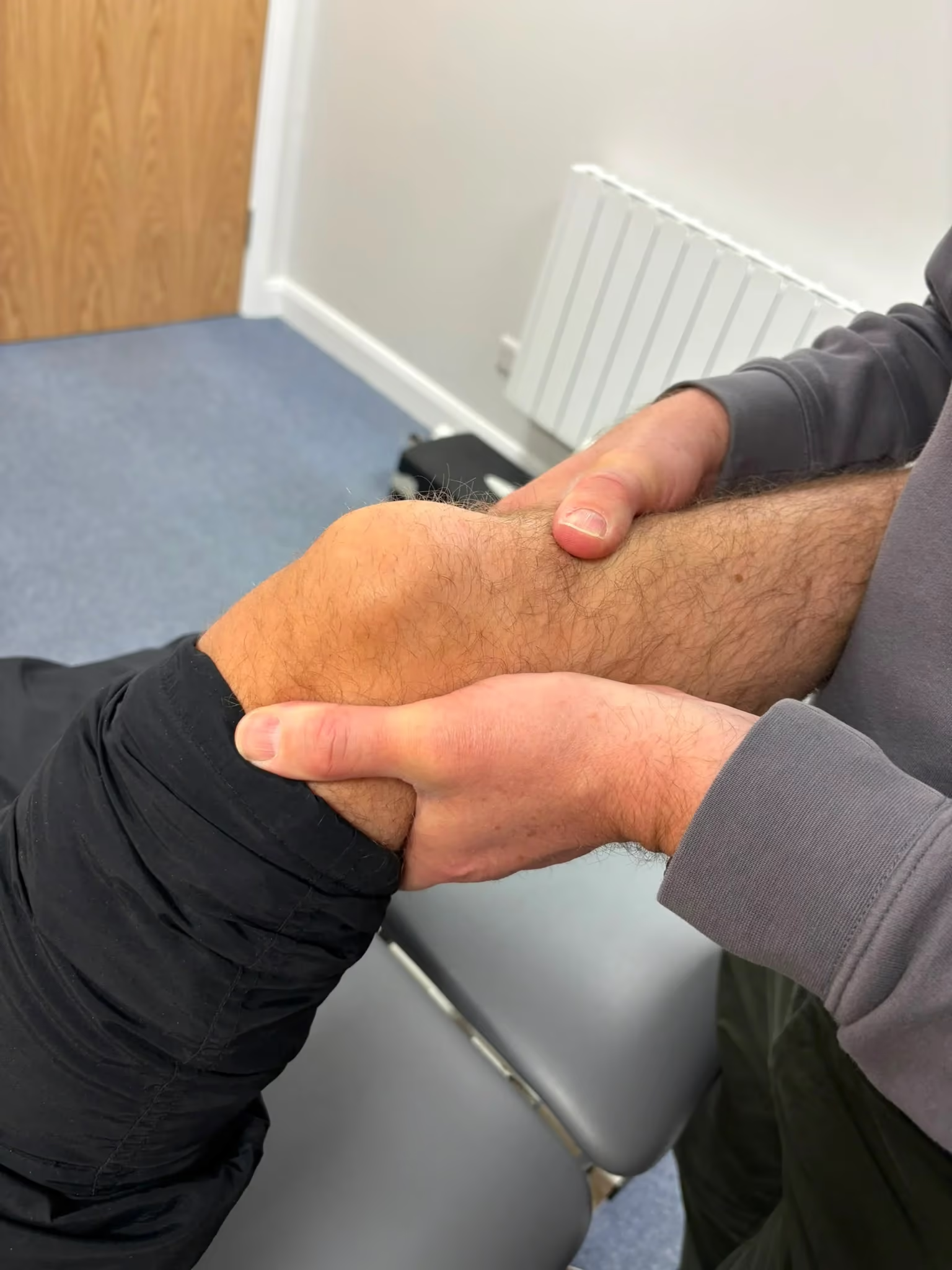
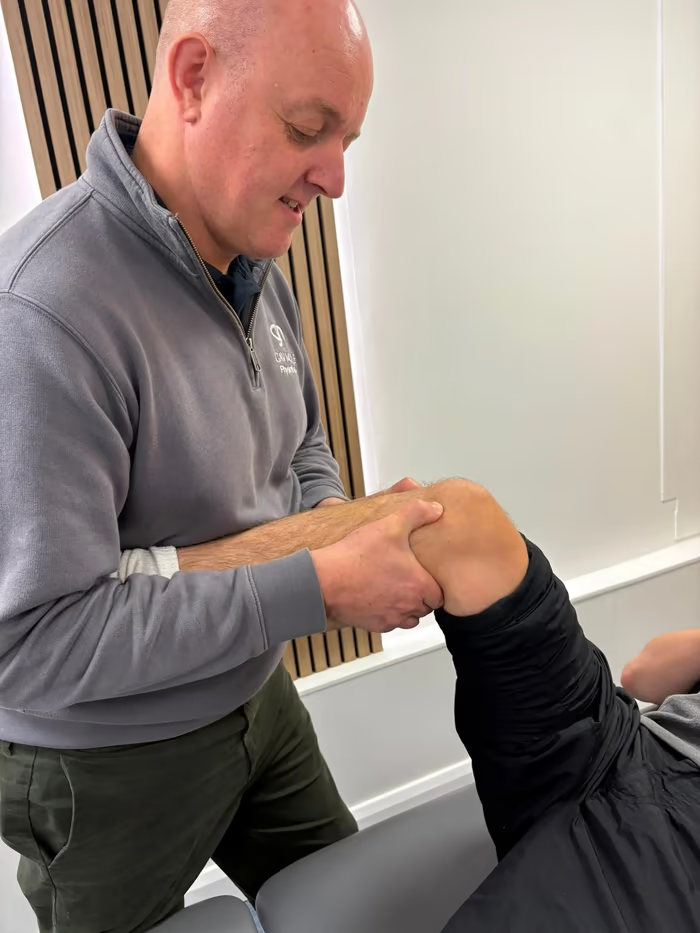
Knee Pain being assessed at Gav Noble Physiotherapy in Lisburn

Knee pain is common and can develop suddenly after an injury or gradually over time. The knee is supported by bones, cartilage, ligaments, tendons and muscles, so symptoms can have several possible causes.

Common causes include:

  • Osteoarthritis
  • Tendon irritation
  • Muscle weakness or overload
  • Meniscus or cartilage injuries
  • Ligament sprains
  • Kneecap-related pain
  • Previous injury or surgery
  • Pain referred from the hip or lower back

Knee osteoarthritis becomes more common with age, but changes seen on an X-ray do not always match the level of pain or disability a person experiences.

Book an Appointment — opens in a new tab
What to Look For

Common Symptoms

Knee pain can make everyday activities difficult.

Symptoms may include:

  • Pain when walking or using stairs
  • Stiffness after sitting
  • Pain when standing from a chair
  • Swelling around the knee
  • Difficulty bending or straightening
  • Clicking or grinding sensations
  • Weakness or instability
  • Pain during running, kneeling or squatting

A knee that clicks without pain is not usually a cause for concern. However, painful locking, repeated giving way or significant swelling should be assessed.

How We Help

How Can Physiotherapy Help?

At Gav Noble Physiotherapy, we assess your knee movement, strength and stability. We may also examine your hips, feet and walking pattern because these can affect how the knee is loaded.

Treatment may include:

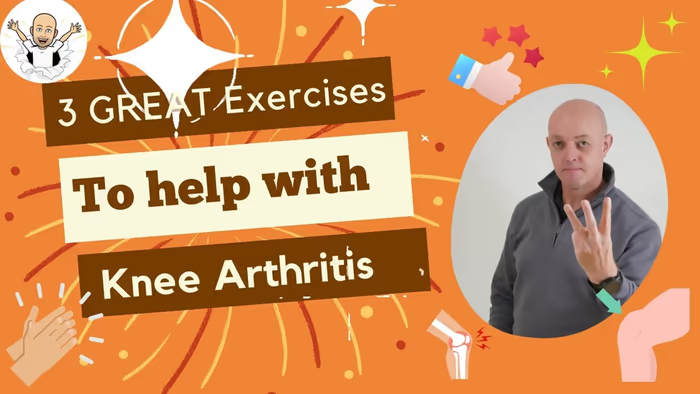
  • A personalised exercise programme
  • Strengthening the thigh and hip muscles
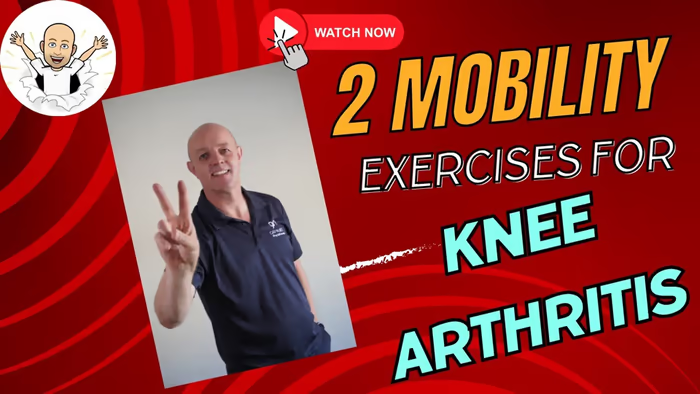
  • Knee mobility exercises
  • Balance and control training
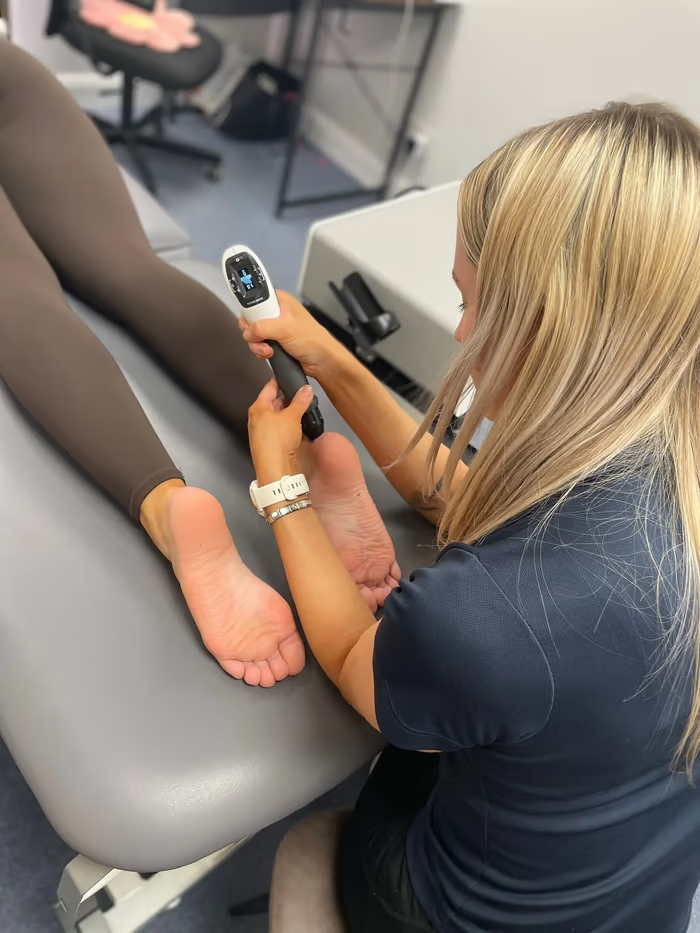
  • Hands-on treatment where appropriate
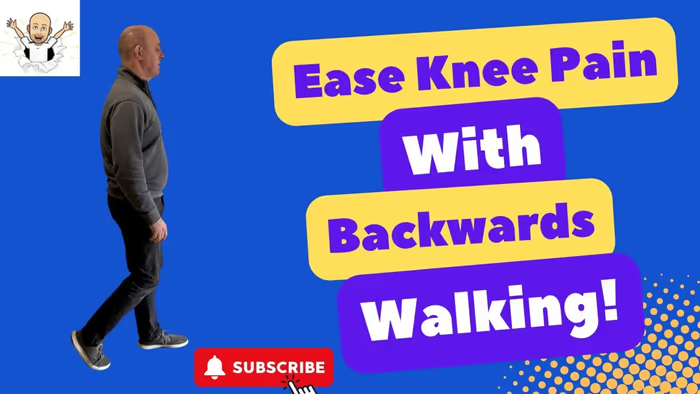
  • Advice on walking, stairs and daily activities
  • Gradual return to running or sport
  • Rehabilitation before and after surgery

Our aim is to reduce pain while improving the knee’s strength, movement and ability to cope with everyday activities.

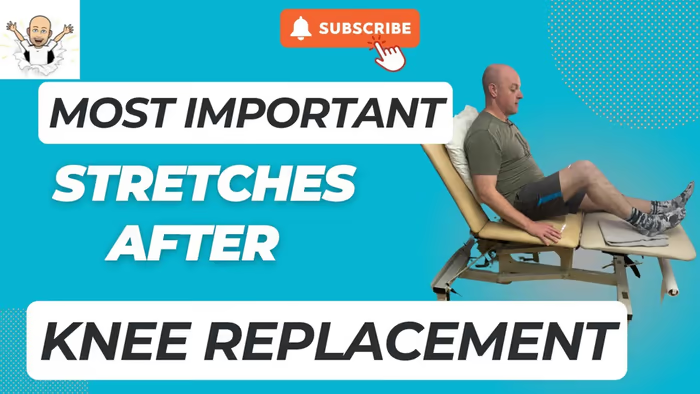
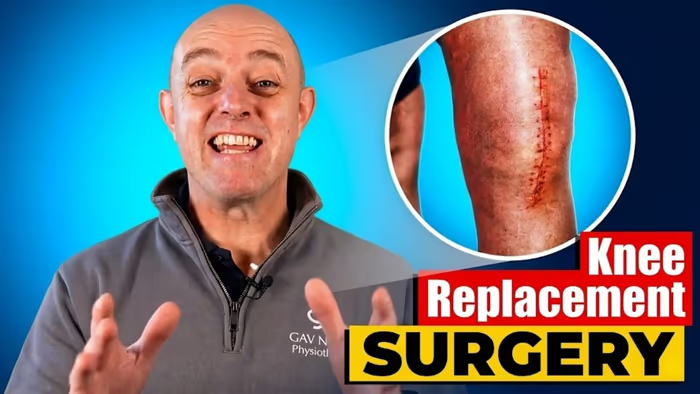
Knee Replacement Surgery and Rehabilitation

Knee replacement surgery may be recommended when severe osteoarthritis causes persistent pain and reduced mobility despite appropriate treatment.

Physiotherapy before surgery can help improve leg strength, movement and confidence. This is sometimes called prehabilitation.

After surgery, rehabilitation is important for restoring movement and helping you return to everyday activities. Treatment may focus on:

  • Reducing swelling and stiffness
  • Improving knee bending and straightening
  • Strengthening the thigh and hip muscles
  • Improving walking and balance
  • Practising stairs safely
  • Progressing away from walking aids
  • Returning to work, driving and hobbies

Recovery takes time, and progress varies between individuals. Following a structured exercise programme can help you achieve the best possible result.
Exercise

Should I Exercise with Knee Pain?

Common Questions

Knee Pain FAQs

Do I need an X-ray or MRI scan?

Not always. Many knee problems can be assessed through your symptoms and a physical examination.

Can physiotherapy help knee arthritis?

Yes. Strengthening, mobility work and activity advice can improve pain and everyday function.

How long does knee replacement recovery take?

Recovery varies, but strength and movement usually continue improving over several months.

When should I seek urgent help?

Seek prompt medical advice if you cannot bear weight, the knee is badly swollen or deformed, or it becomes hot and red with fever.

Watch

Knee Pain Exercises and Advice