Condition

What Is a Slipped Disc?

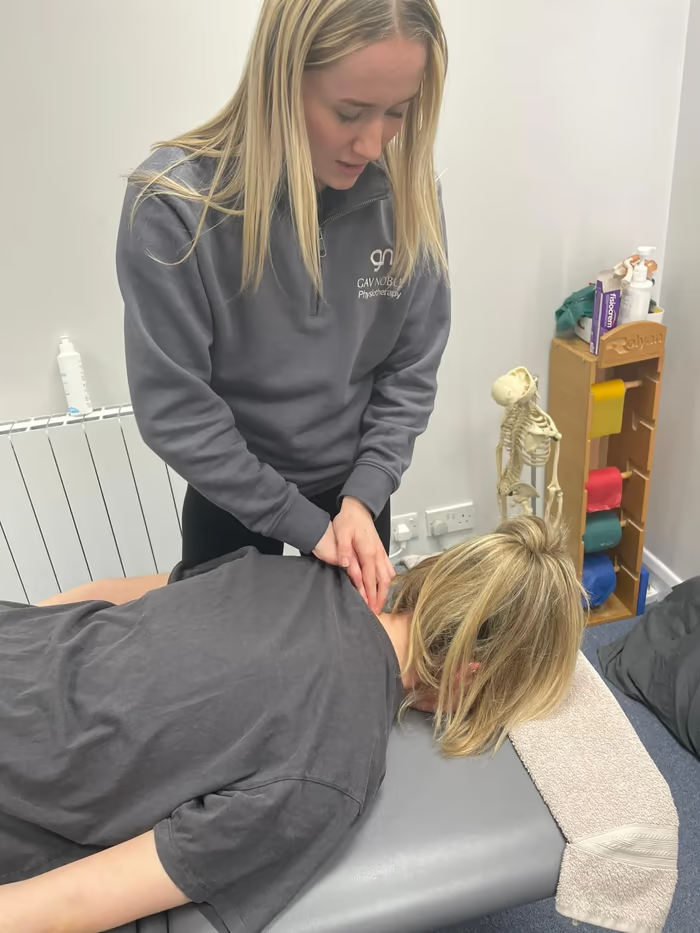
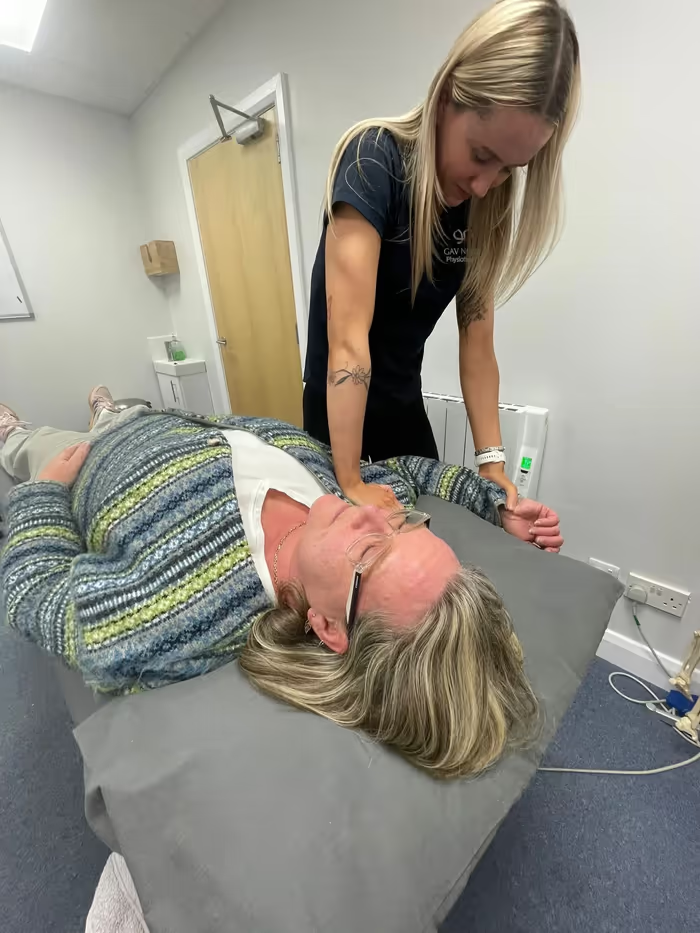
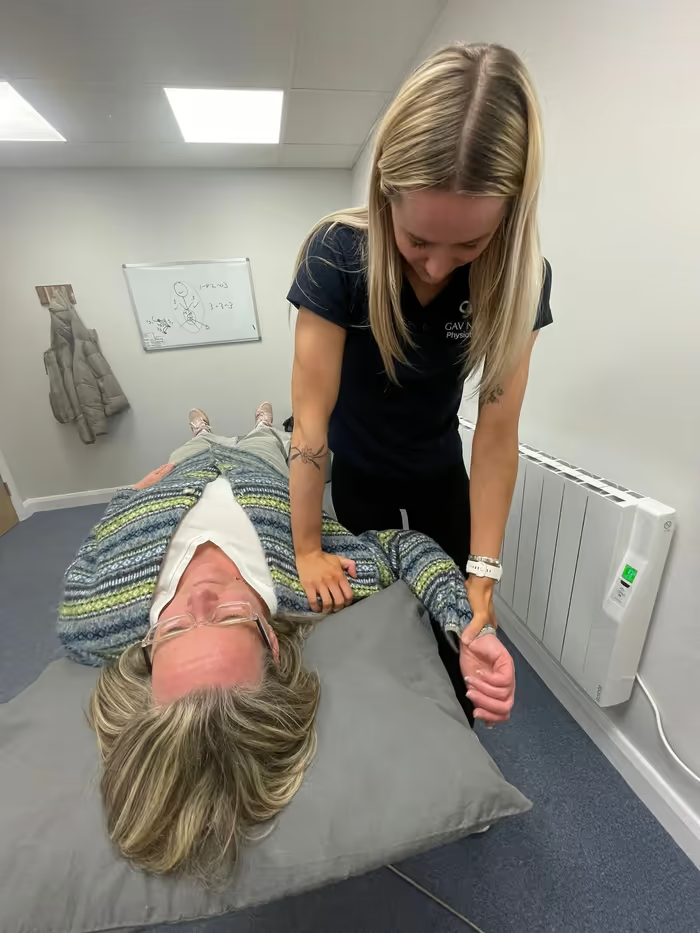
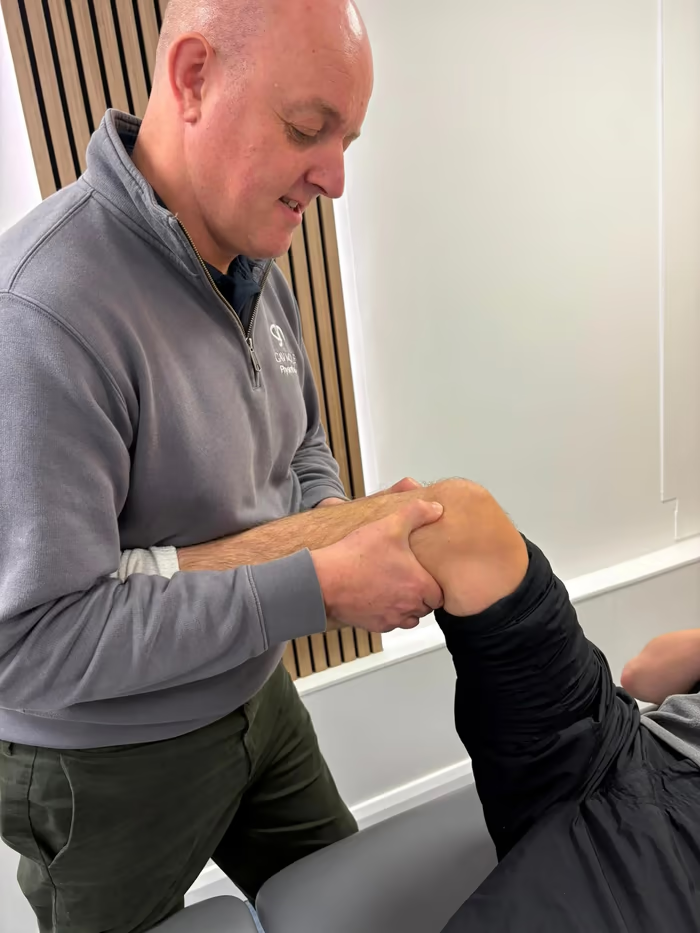
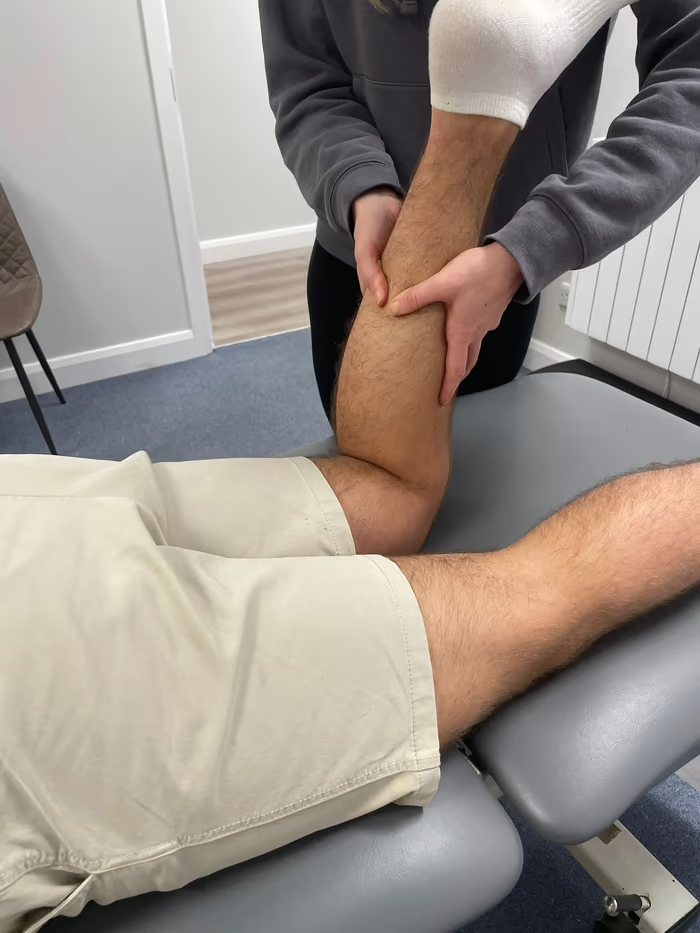
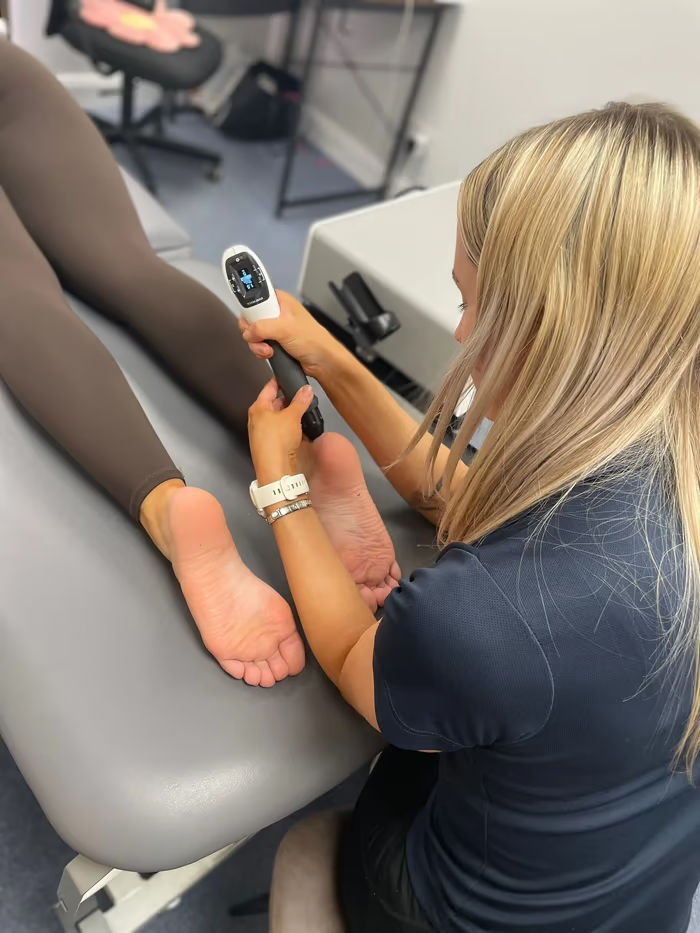
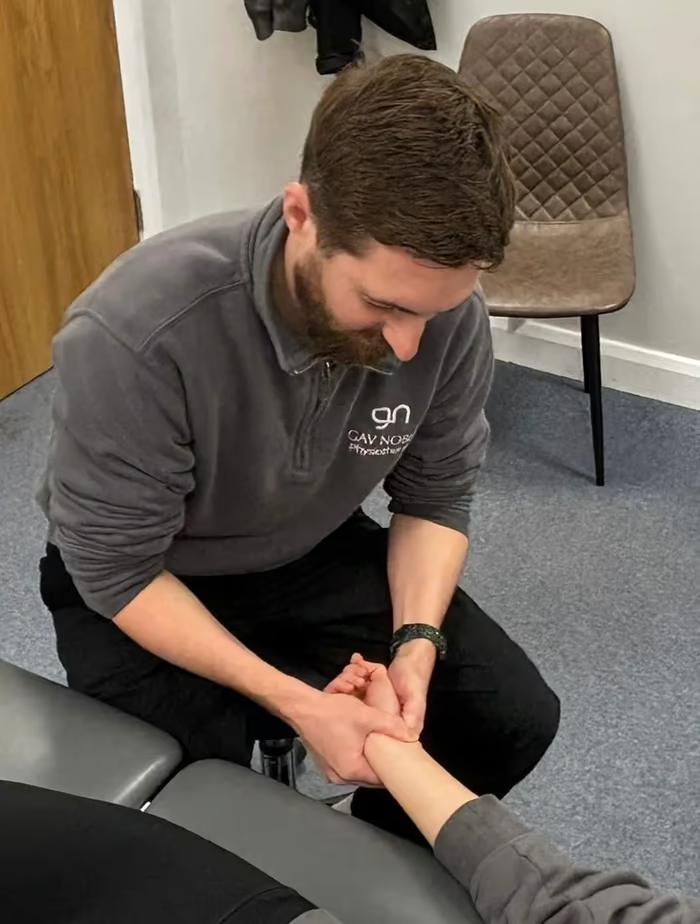
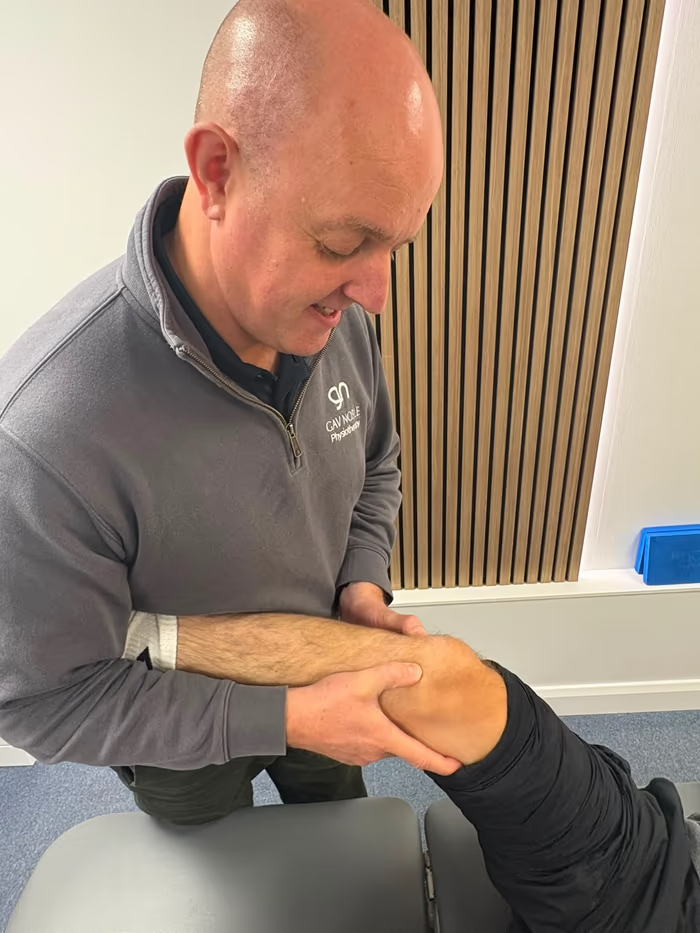
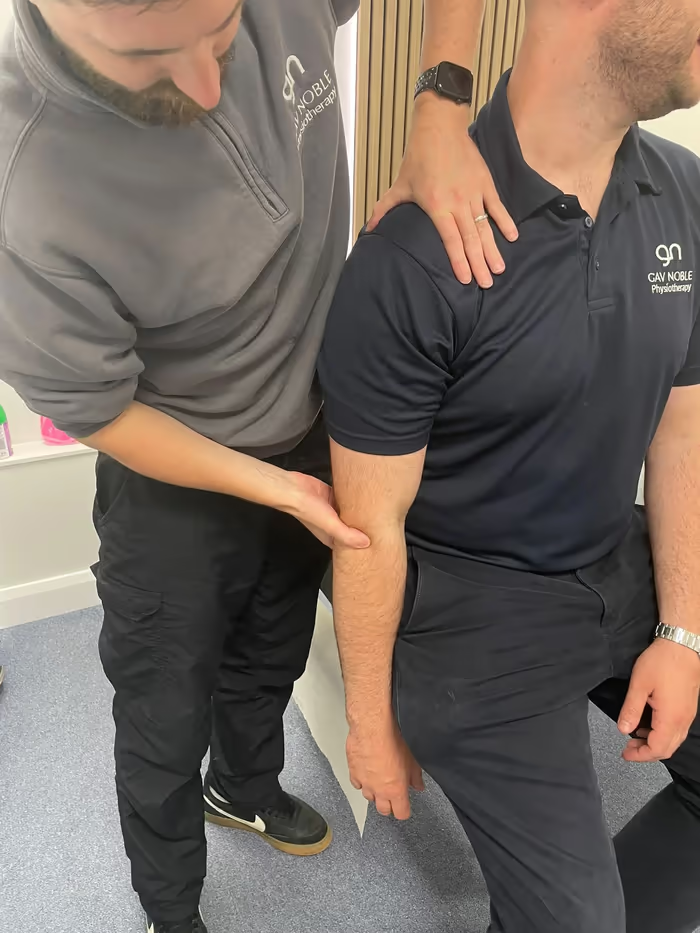
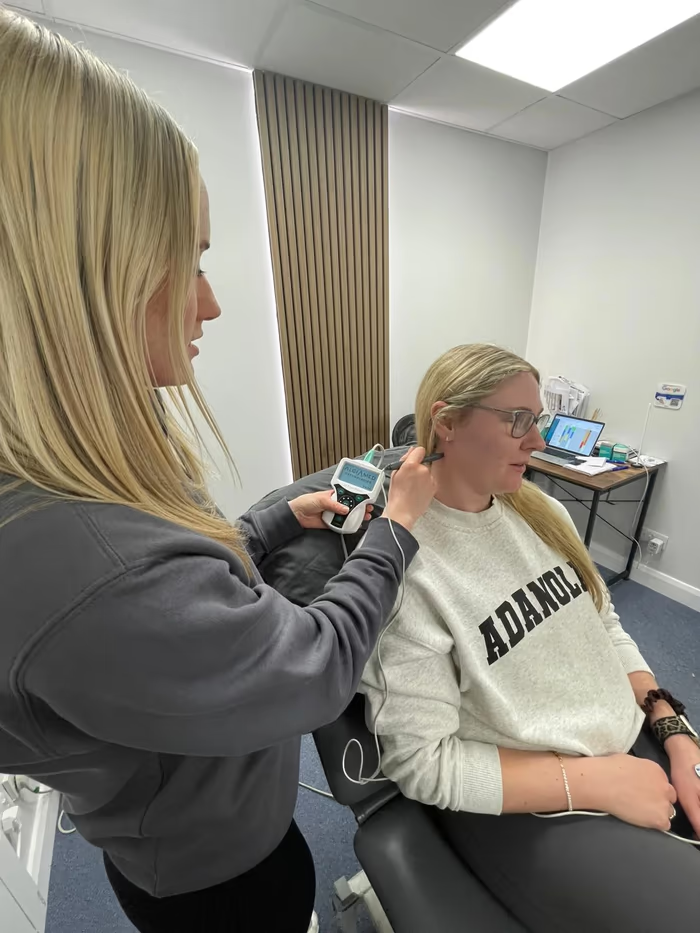
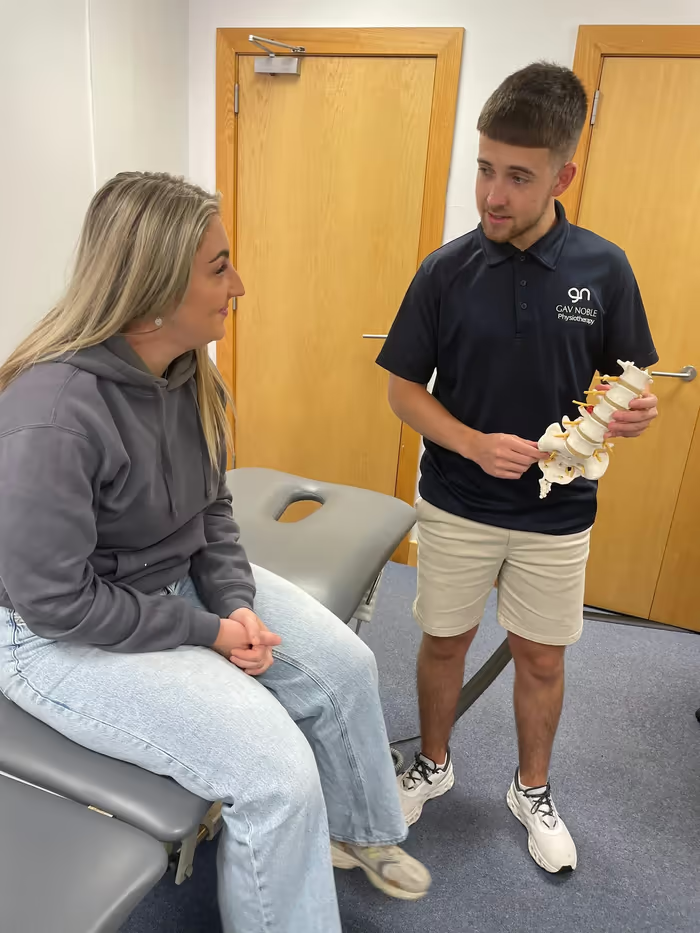
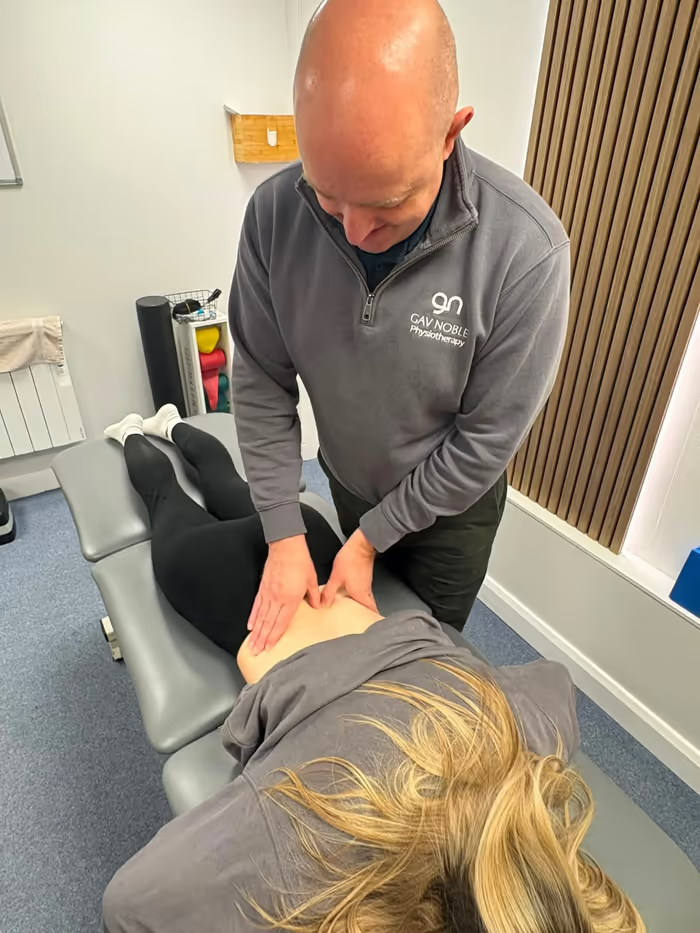
Slipped Disc being assessed at Gav Noble Physiotherapy in Lisburn

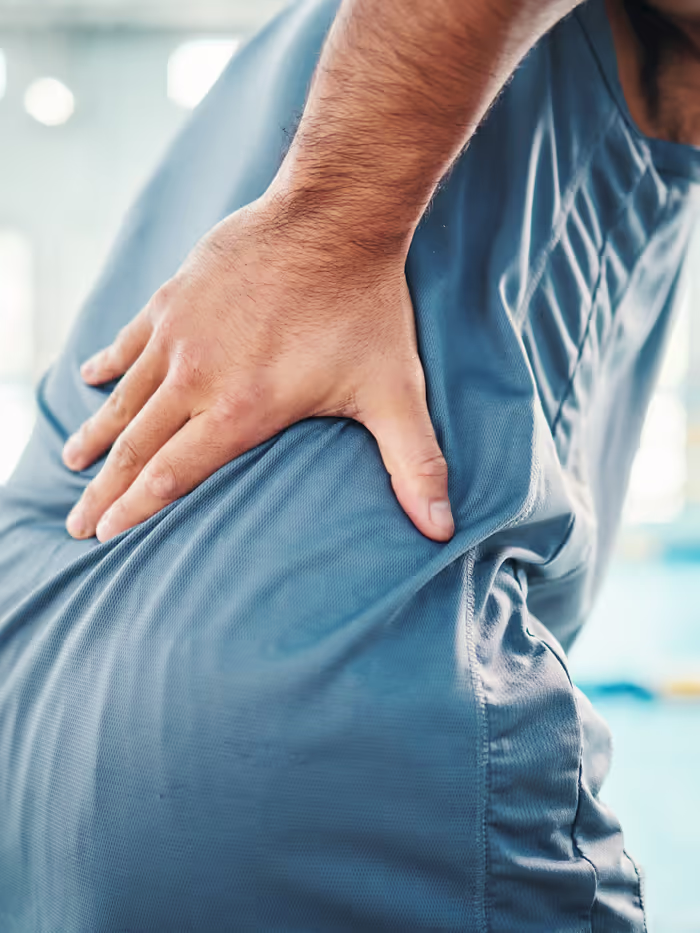
A slipped disc is also known as a bulging, prolapsed or herniated disc. The discs are soft cushions positioned between the bones of your spine. A slipped disc occurs when part of the softer inner disc pushes through its outer layer.

Despite the name, the disc does not actually “slip” out of place.

A disc problem may cause pain if it irritates or presses against a nearby nerve. However, not every slipped disc causes symptoms. Some people have disc changes without experiencing any pain.

Book an Appointment — opens in a new tab
What to Look For

Common Symptoms

Symptoms depend on the position of the disc and whether a nerve is irritated.

They may include:

  • Lower back or neck pain
  • Pain travelling into the buttock or leg
  • Sciatica
  • Pins and needles or numbness
  • Muscle weakness
  • Difficulty bending or straightening
  • Pain that becomes worse when sitting, coughing or sneezing

A slipped disc in the neck may cause pain, tingling or weakness travelling into the shoulder, arm or hand.

Recovery

Will a Slipped Disc Heal?

Most people improve without surgery. Symptoms often settle gradually with appropriate activity, exercise, pain management and rehabilitation.

Complete bed rest is rarely recommended. NICE guidance encourages people with back pain and sciatica to continue with normal activities where possible and use exercise as part of their recovery.

How Can Physiotherapy Help?

At Gav Noble Physiotherapy, we assess your movement, strength, reflexes and nerve function to determine what may be contributing to your symptoms.

Treatment may include:

  • Advice on positions and activities
  • A personalised exercise programme
  • Gentle mobility exercises
  • Progressive strengthening
  • Manual therapy where appropriate
  • Guidance on returning to work, walking or sport
  • Strategies to reduce future flare-ups

Our approach is based on improving movement and confidence rather than encouraging you to fear or protect your back indefinitely.
Most people do not need a scan initially. A physiotherapist or doctor can often assess a suspected disc problem using your symptoms and a physical examination.

NICE advises against routine imaging unless the result is likely to change your treatment or a more serious condition is suspected.

Common Questions

Slipped Disc FAQs

Is a slipped disc permanent?

Not necessarily. Disc changes can settle, and symptoms often improve considerably with time and rehabilitation.

Can I exercise with a slipped disc?

Usually, yes. Exercise should be introduced gradually and adjusted to your symptoms.

Will I need surgery?

Most people do not. Surgery may be considered when severe nerve symptoms persist despite appropriate treatment.

When should I seek urgent help?

Seek urgent medical attention if you develop numbness around your genitals or bottom, loss of bladder or bowel control, rapidly worsening leg weakness, or symptoms affecting both legs.

Watch

Slipped Disc Exercises and Advice