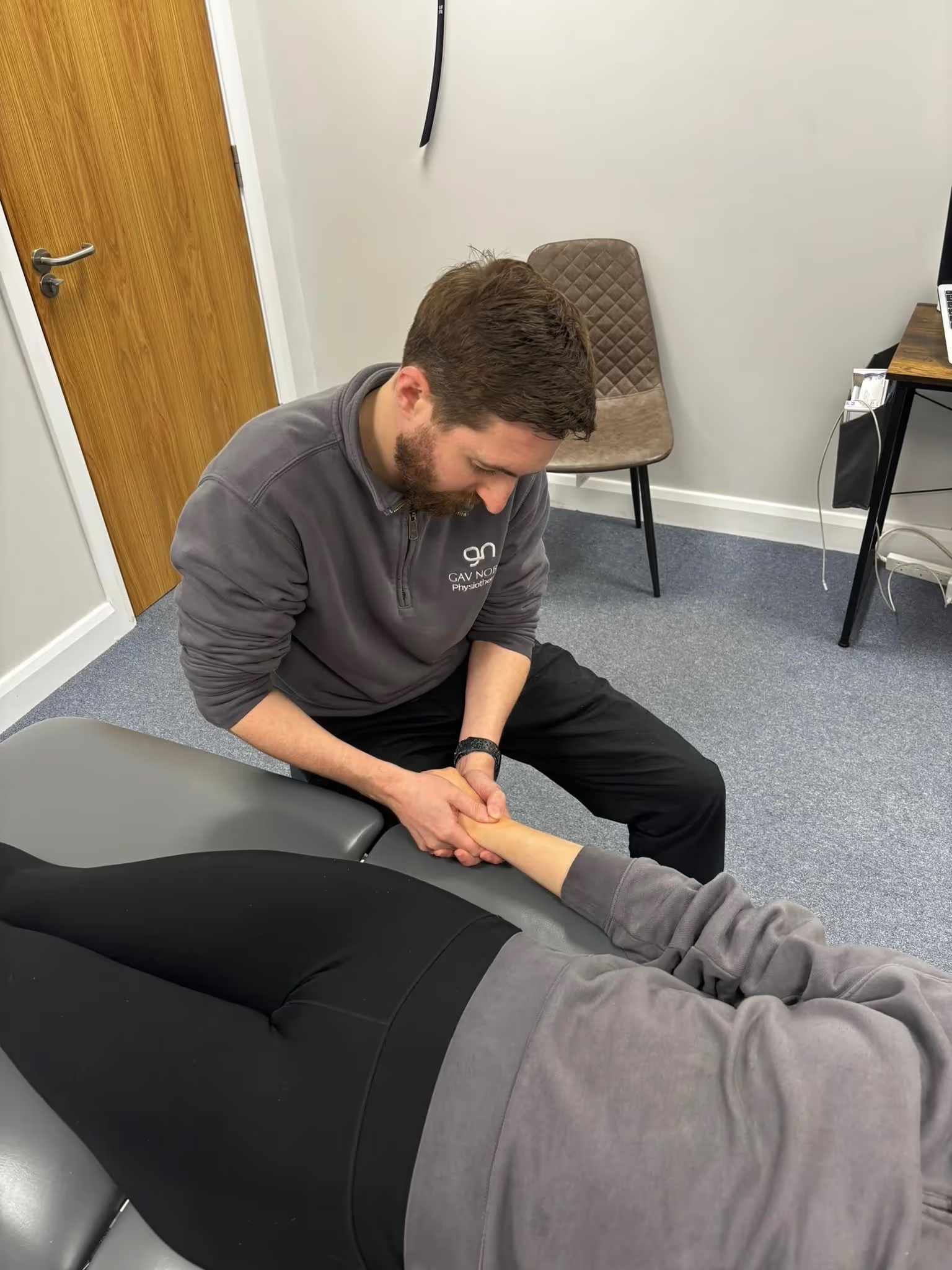
What Is Arthritis?
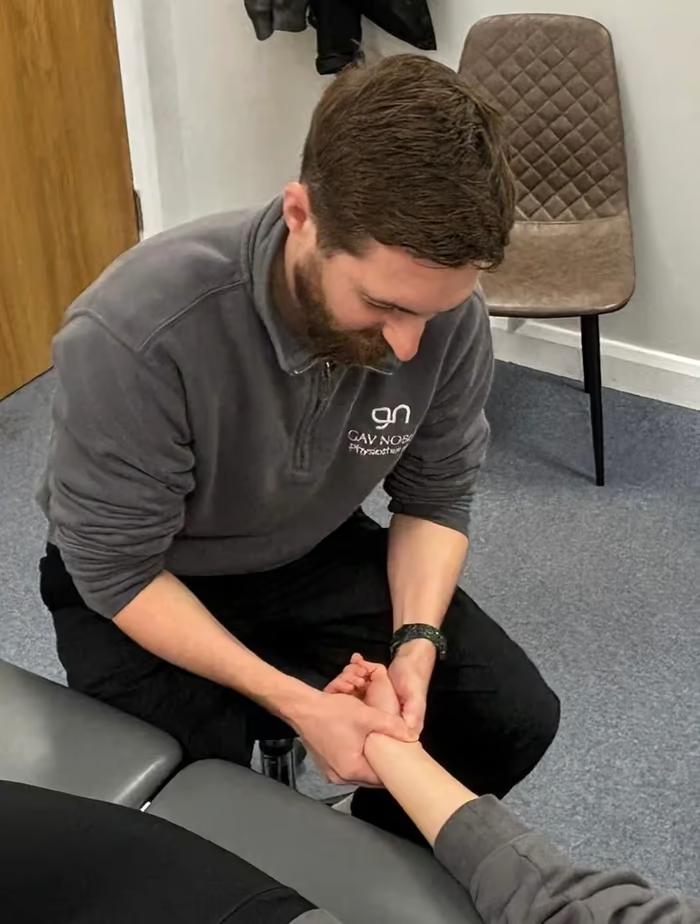
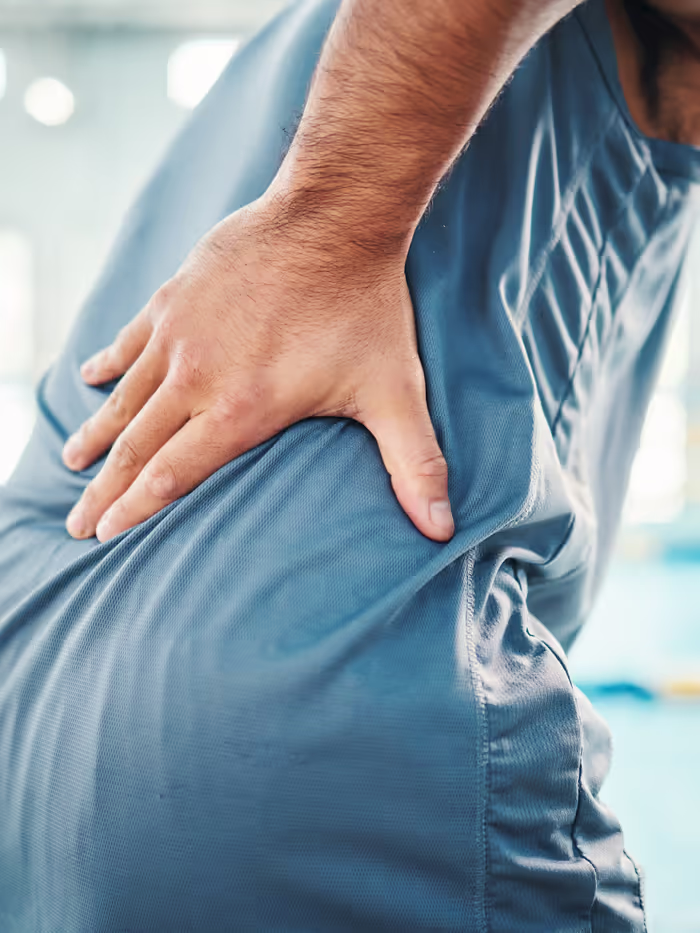
Arthritis is a broad term used to describe conditions that cause pain, stiffness and swelling in one or more joints. It is not a single disease, and different types require different approaches to treatment.
The most common form is osteoarthritis, which often affects the knees, hips, hands and spine. Other types include rheumatoid arthritis, psoriatic arthritis and gout.
Arthritis can affect people of any age, although osteoarthritis becomes more common as we get older.
Book an Appointment — opens in a new tabCommon Symptoms of Arthritis
Symptoms vary depending on the type of arthritis and the joints involved.
You may experience:
- Joint pain or tenderness
- Stiffness after rest
- Swelling around a joint
- Reduced movement
- Muscle weakness
- Difficulty walking or using stairs
- Pain during everyday activities
- Reduced confidence with exercise
Osteoarthritis does not always worsen steadily. With the right support, many people continue to lead active and independent lives.
How Can Physiotherapy Help?
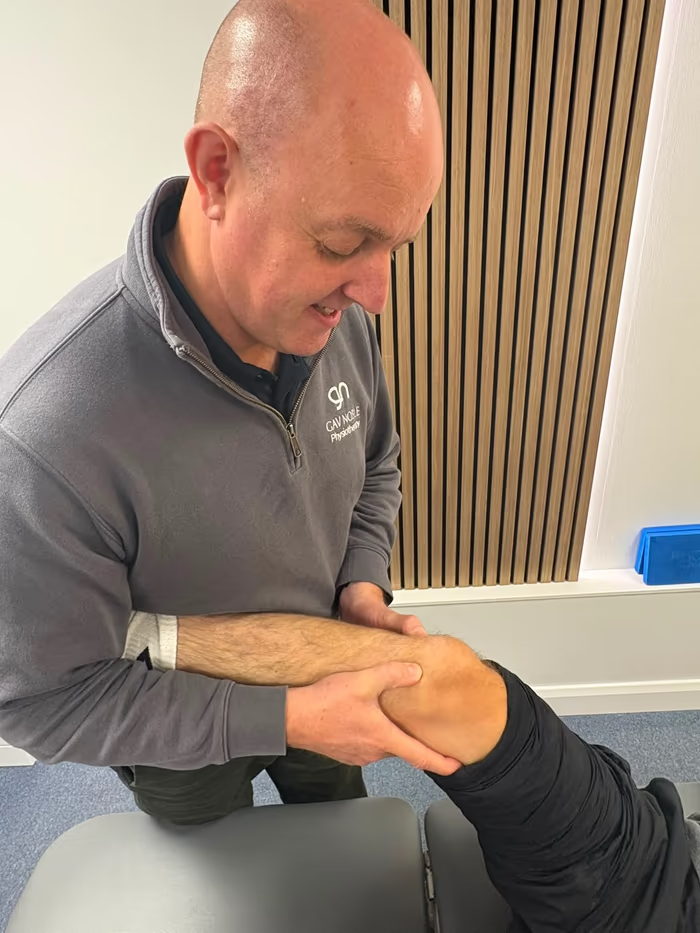
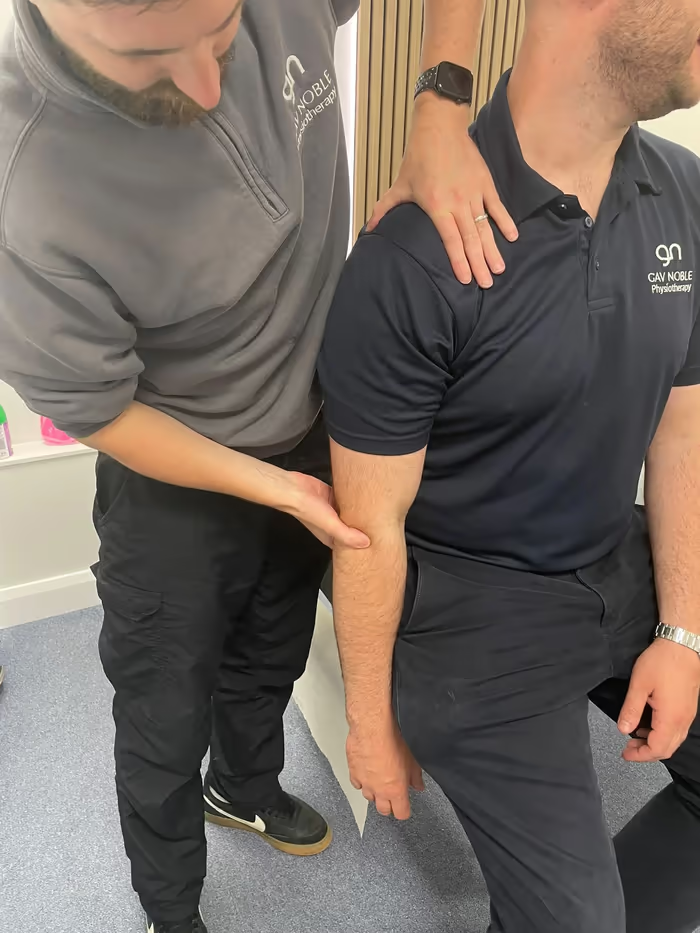
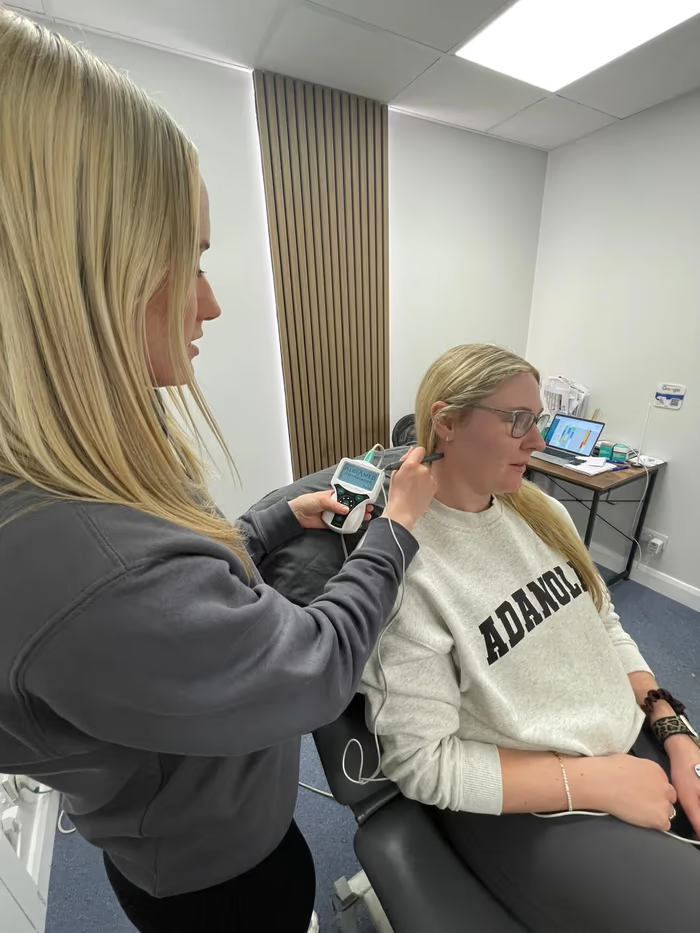
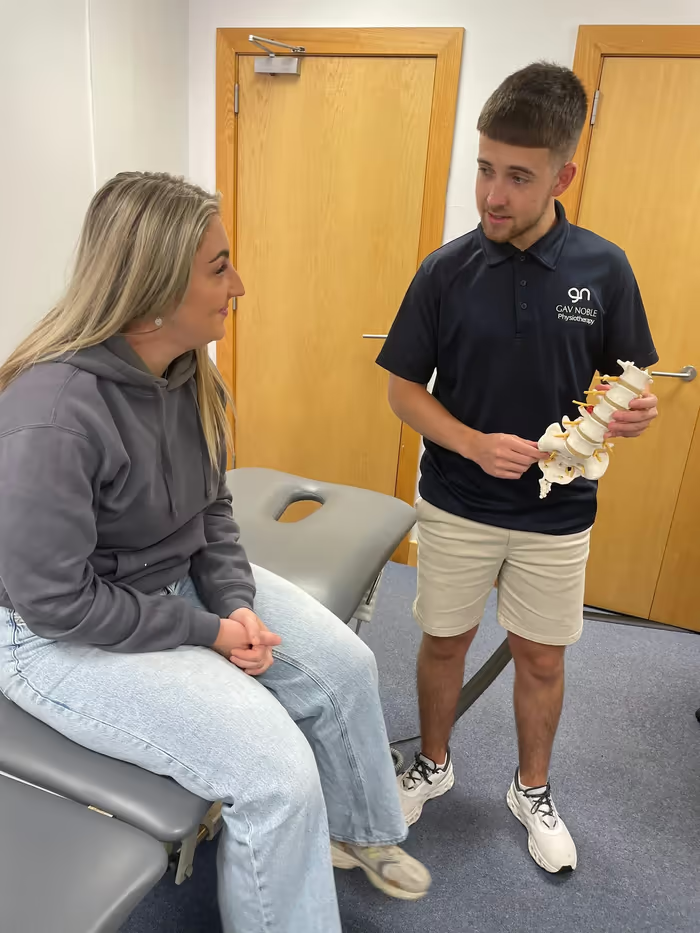
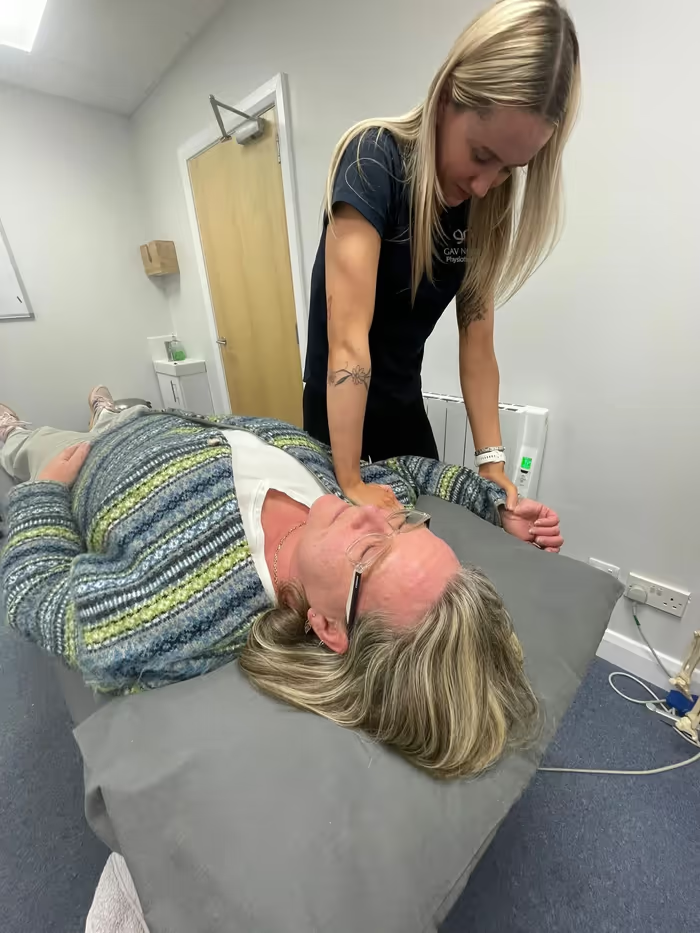
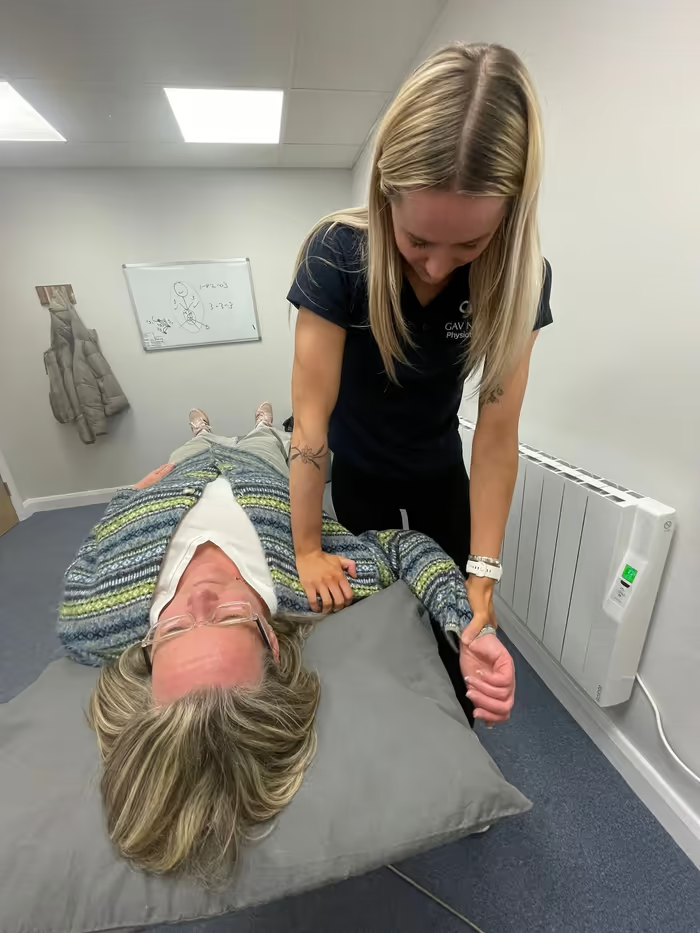
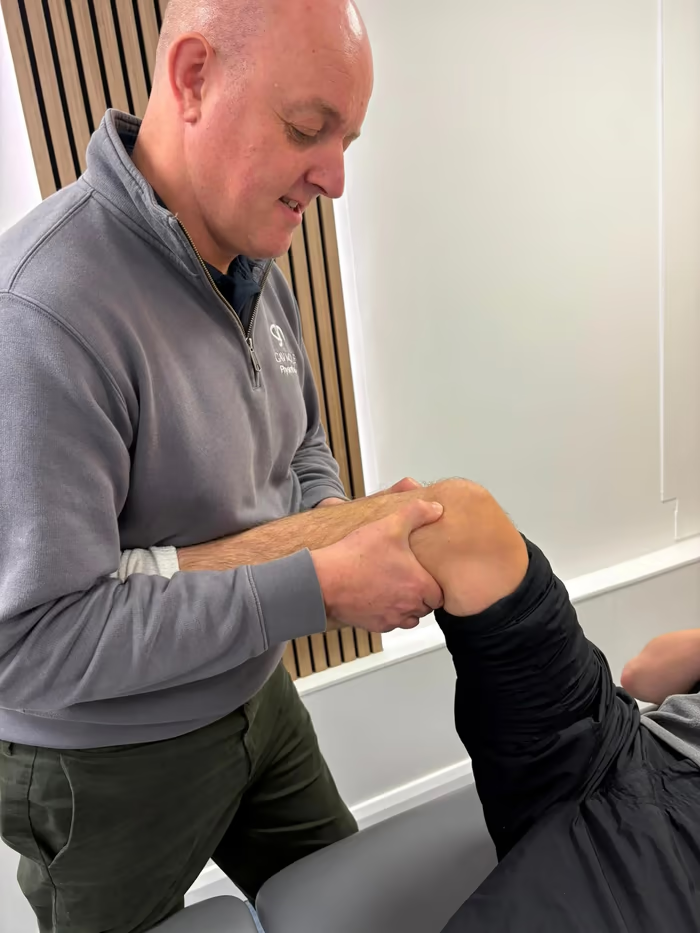
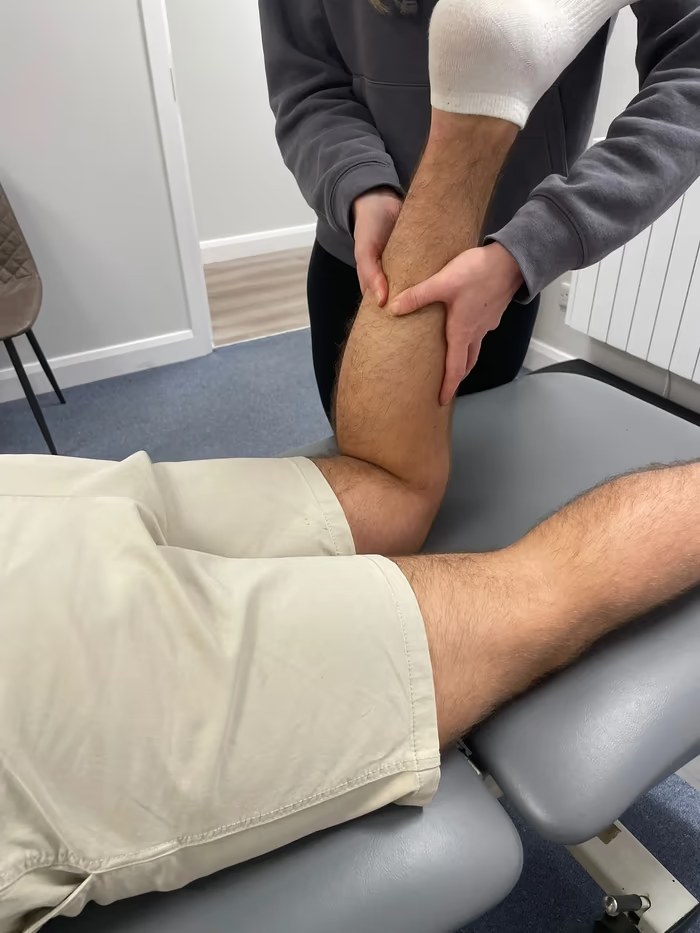
At Gav Noble Physiotherapy, we assess how your arthritis affects your movement, strength and everyday activities.
Treatment may include:
- A personalised exercise programme
- Strengthening the muscles around painful joints
- Mobility and flexibility exercises
- Balance and walking rehabilitation
- Advice on pacing daily activities
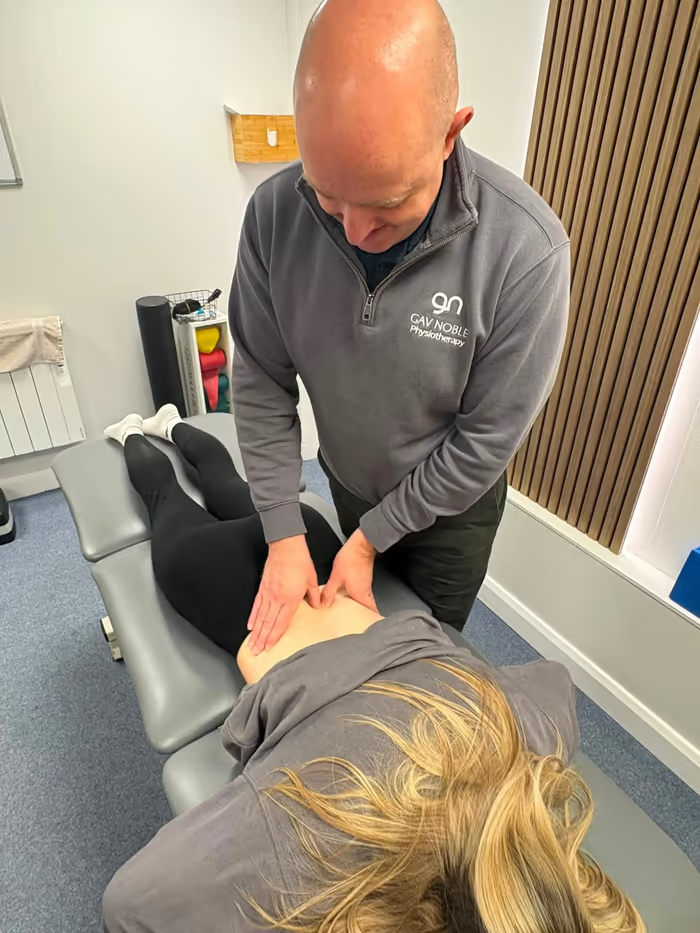
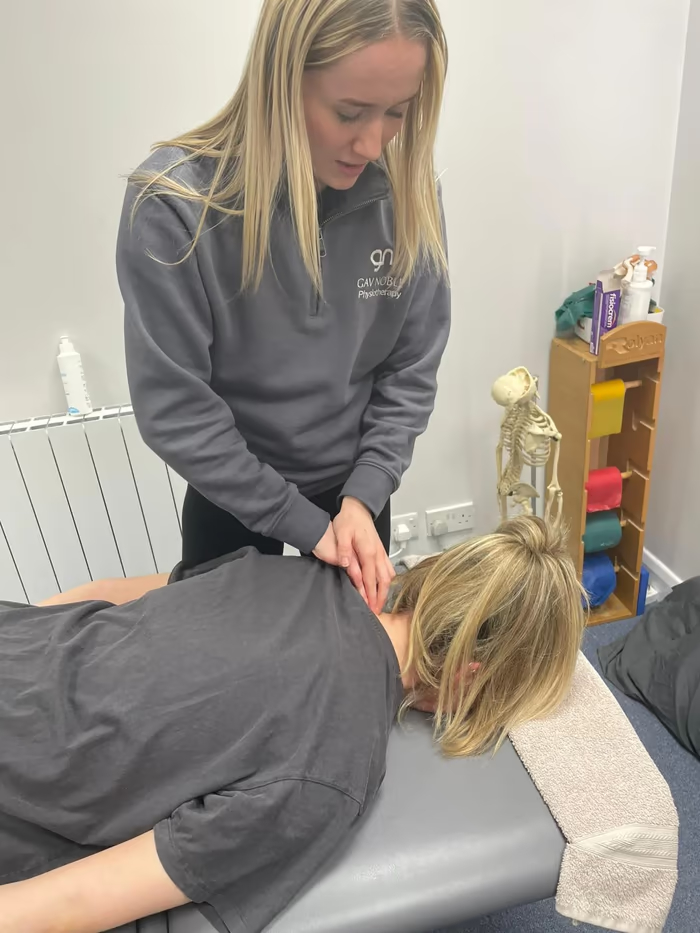
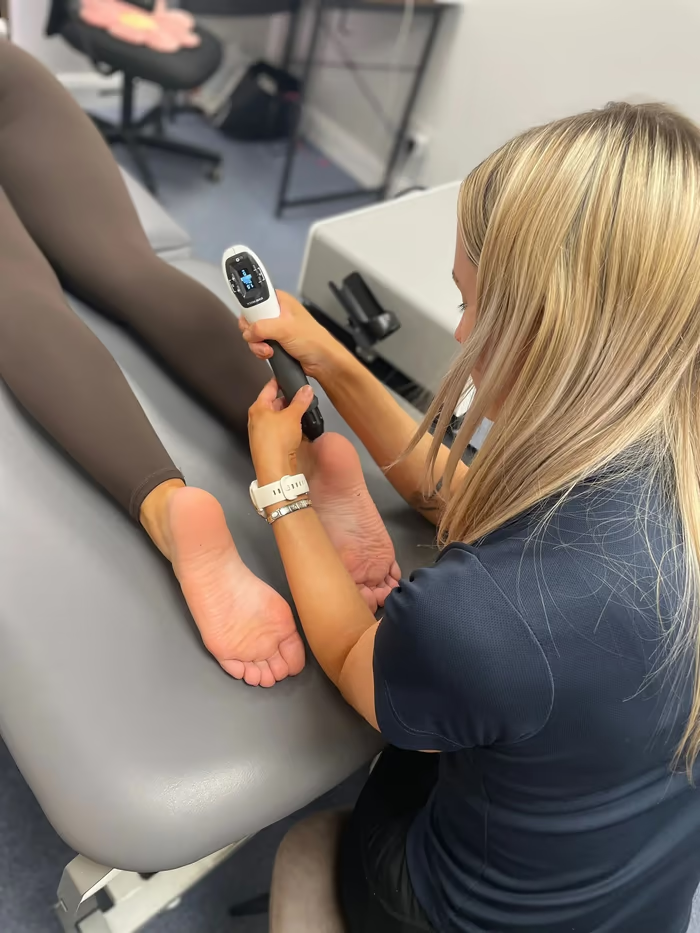
- Hands-on treatment where appropriate
- Support before or after joint replacement surgery
- Guidance on returning to hobbies and exercise
Our aim is to help you move more comfortably, remain independent and continue doing the activities that matter to you.
Is Exercise Safe with Arthritis?
Yes. Appropriately selected exercise is one of the most important treatments for osteoarthritis.
NICE recommends tailored therapeutic exercise for everyone with osteoarthritis, including muscle strengthening and general aerobic activity. Supervised exercise may also be helpful.
Some discomfort may occur when you first begin exercising. This does not necessarily mean you are damaging the joint. Gradually building strength can improve pain, movement and physical function.
Low-impact activities such as walking, swimming, cycling and Pilates can help keep joints moving and muscles strong.
Arthritis FAQs
Can arthritis be cured?
Most forms cannot currently be cured, but symptoms can often be managed effectively with exercise, activity changes, medication and appropriate treatment.
Does arthritis mean my joint is worn out?
No. Arthritis affects the whole joint, but joints remain adaptable. Stronger muscles can support the joint and improve how it functions.
Should I rest during a flare-up?
A temporary reduction in activity may help, but prolonged rest can increase stiffness and weakness.
Do I need an X-ray?
Not always. Osteoarthritis can often be diagnosed from your symptoms and a clinical examination.
When should I seek medical advice?
Speak to a healthcare professional if a joint becomes suddenly hot, red or severely swollen, or if you feel unwell or develop unexplained persistent pain.
Arthritis Exercises and Advice
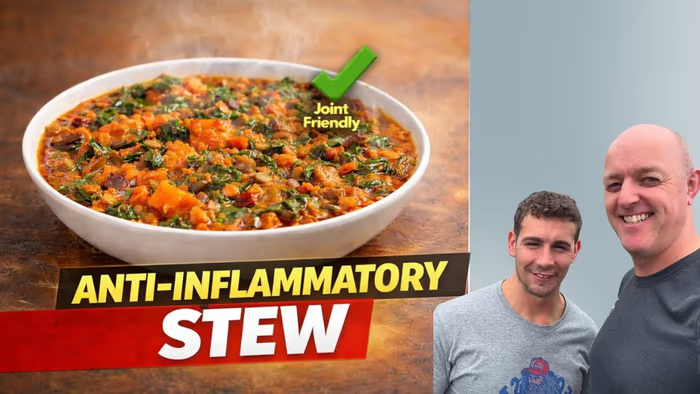
Best Anti-Inflammatory Meal for Arthritis | Easy Joint-Friendly Stew for Over 50s
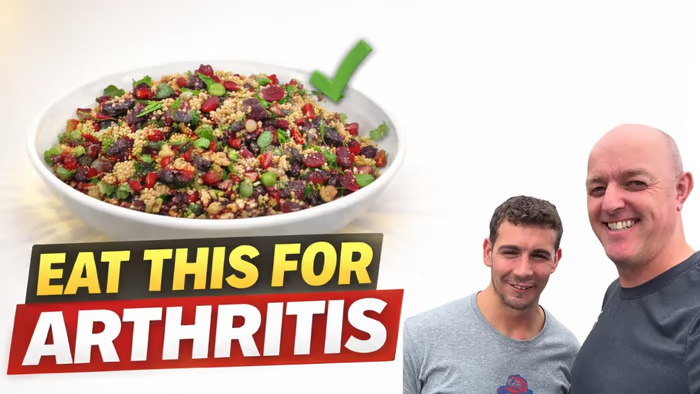
5 Min Quinoa Salad - Arthritis-Friendly Anti-Inflammatory Meal for Over 50s
EASY Arthritis Diet Recipes for joint pain: 3 Anti-Inflammatory Meal Ideas for Arthritis ✅
The #1 Thing Worsening Your Arthritis Knee Pain

Does Weather Really Affect Arthritis Pain | Arthritis Pain Explained

5 BEST Foods to Help Ease Arthritis Pain | Best foods for arthritis | Arthritis exercises
Top 2 Knee Arthritis Mistakes That Worsen Pain | Knee Arthritis | The 10X Physio Channel
Knee Arthritis? 3 Knee Arthritis Exercises to Strengthen Your Legs at Home