Shoulder Pain
What Causes Shoulder Pain?
The shoulder is a highly mobile joint supported by muscles, tendons, ligaments and surrounding joints. Pain can develop following an injury, repetitive activity or a gradual change in how the shoulder is being used.
Common causes include:
- Rotator cuff-related shoulder pain
- Frozen shoulder
- Shoulder arthritis
- Tendon irritation
- Muscle weakness or overload
- Previous dislocation or instability
- Pain referred from the neck
Rotator cuff problems are particularly common. The rotator cuff is a group of muscles and tendons that helps control and stabilise the shoulder during movement.
Book an Appointment — opens in a new tabCommon Symptoms
Shoulder pain may affect everyday activities such as dressing, reaching into cupboards or sleeping.
Symptoms can include:
- Pain when lifting your arm
- Difficulty reaching behind your back
- Pain when lying on the affected side
- Weakness when lifting or carrying
- Stiffness or reduced movement
- Clicking or catching sensations
- Pain travelling into the upper arm
- Difficulty putting on a coat or fastening clothing
Shoulder pain and weakness may develop gradually or follow a fall, lifting injury or sudden movement.
How Can Physiotherapy Help?
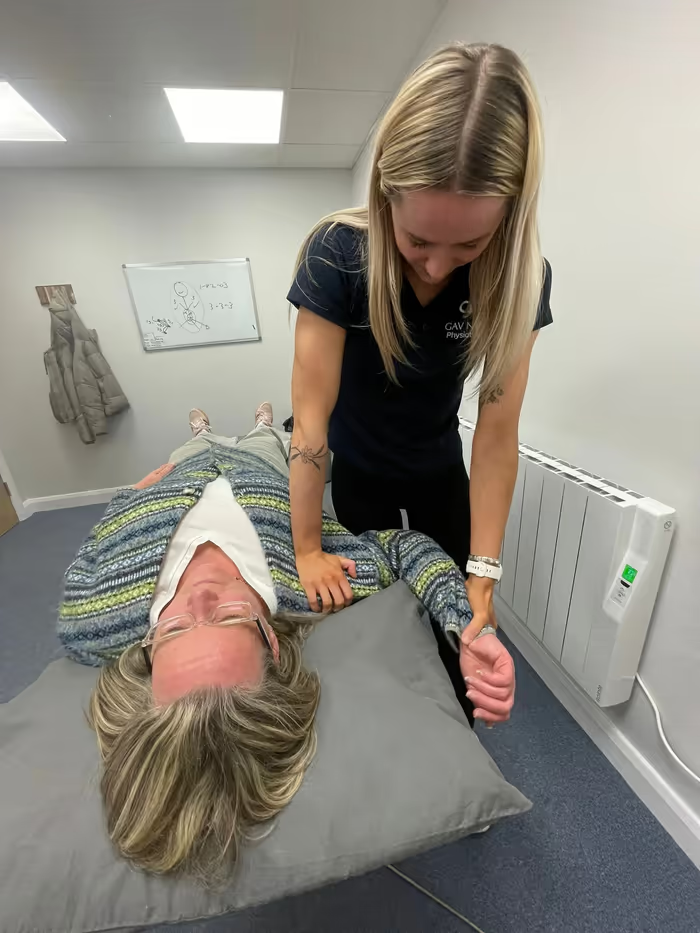
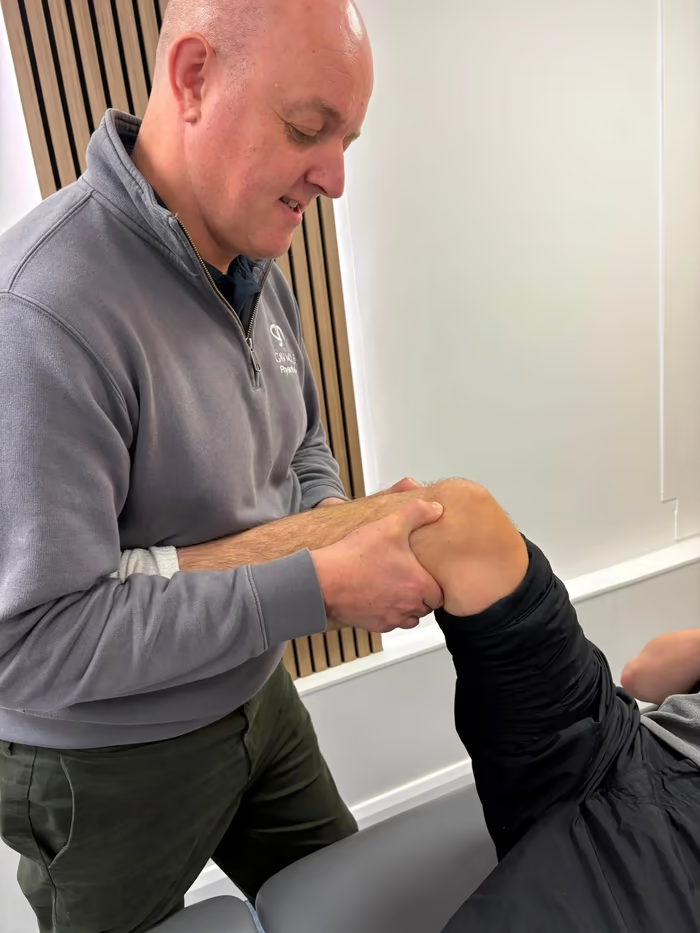
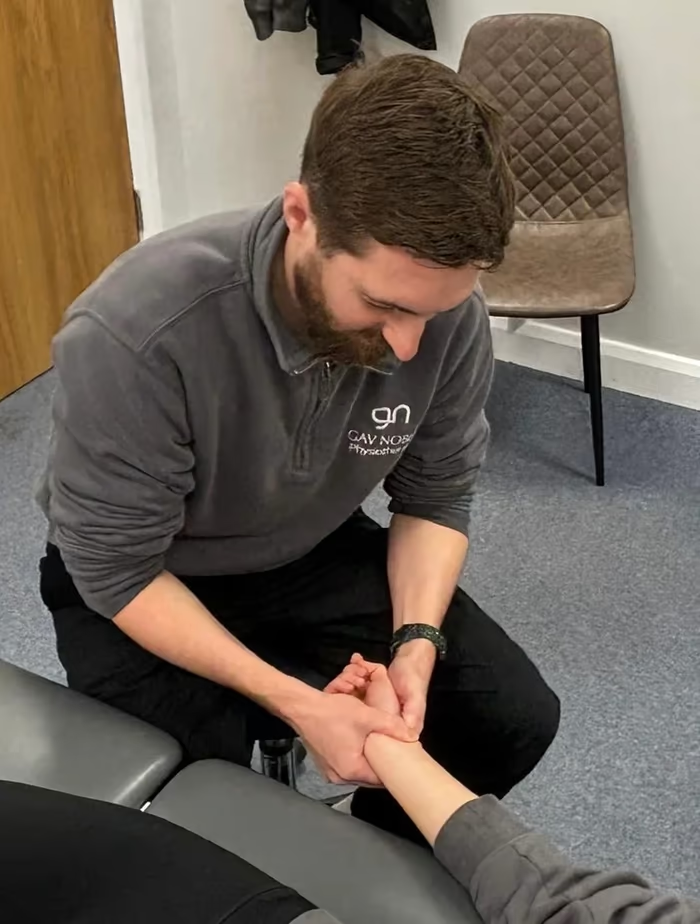
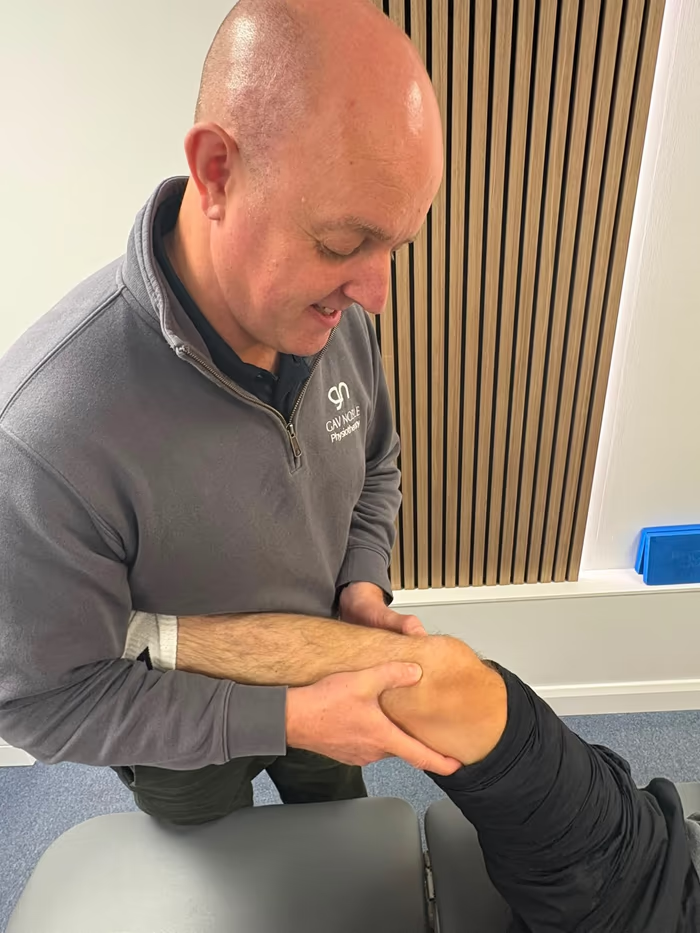
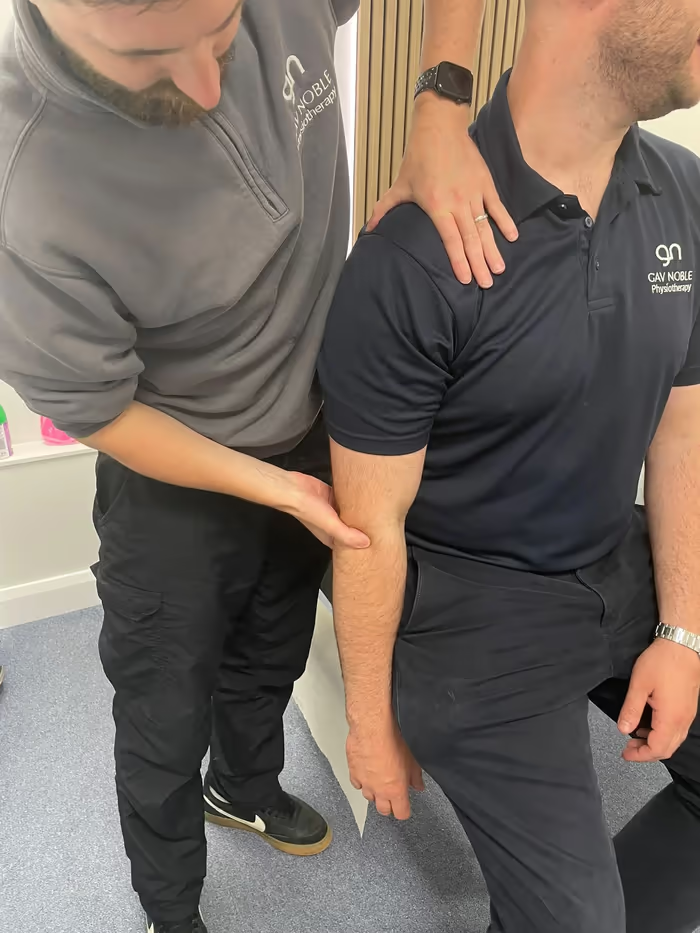
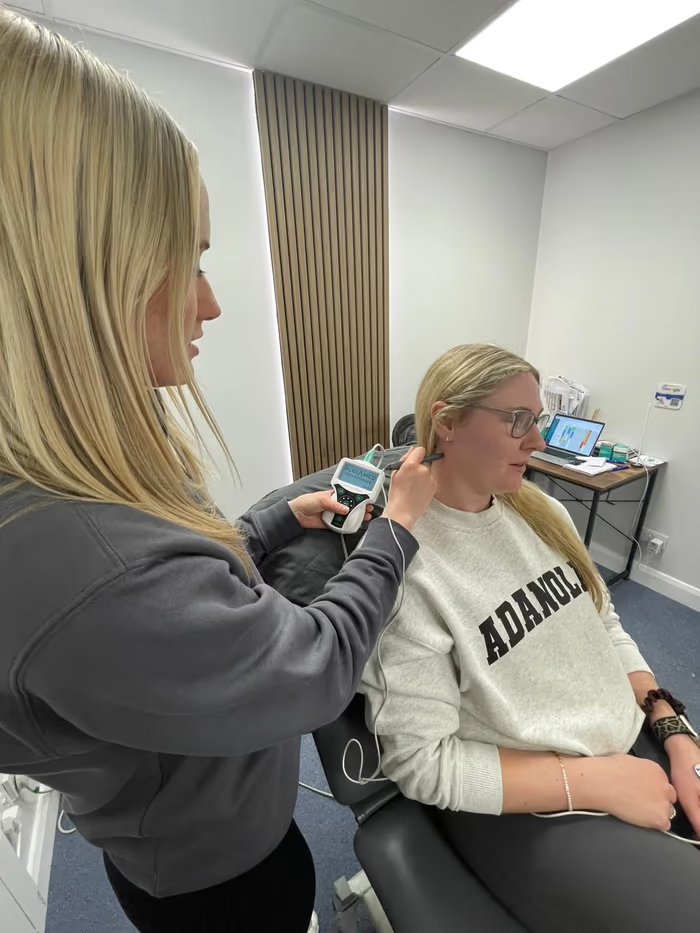
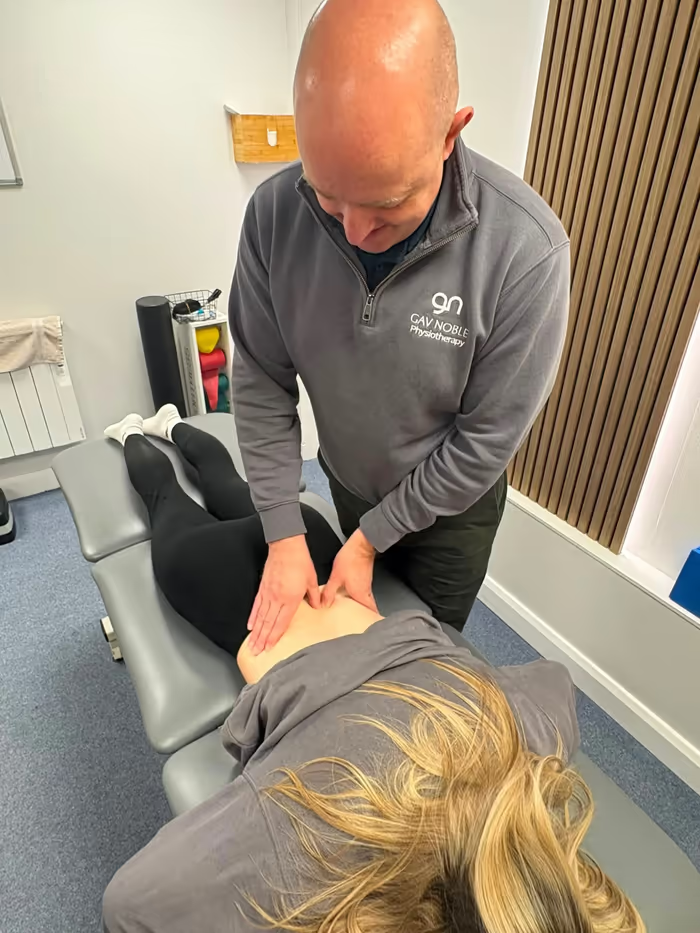
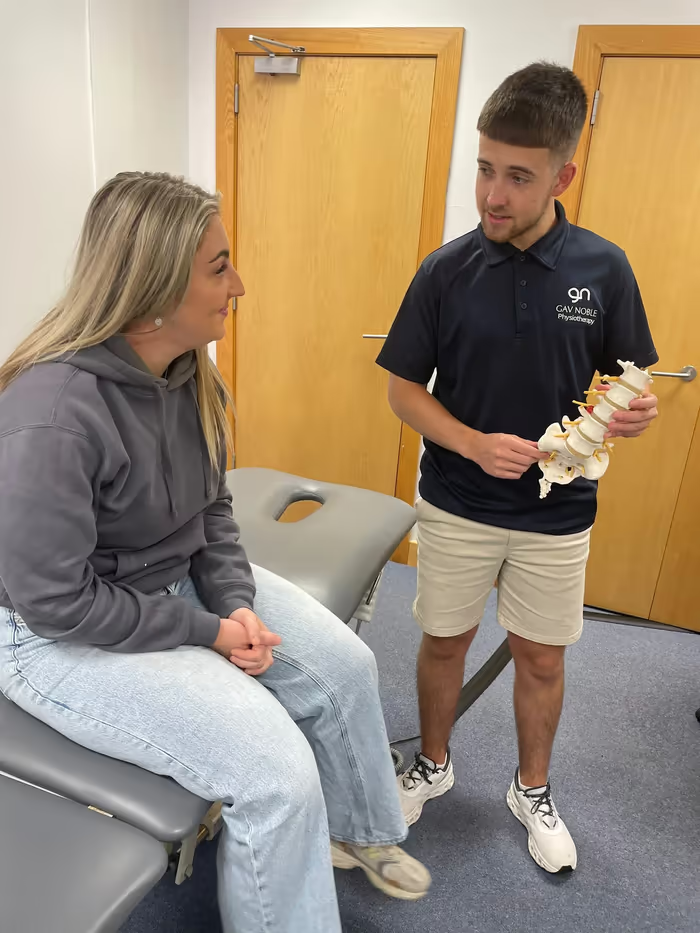
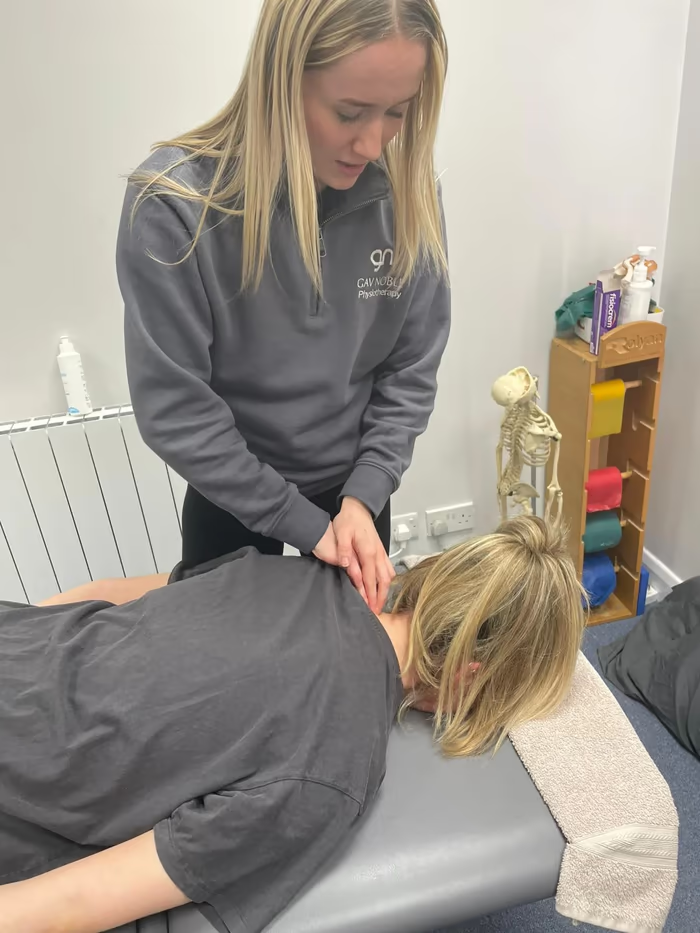
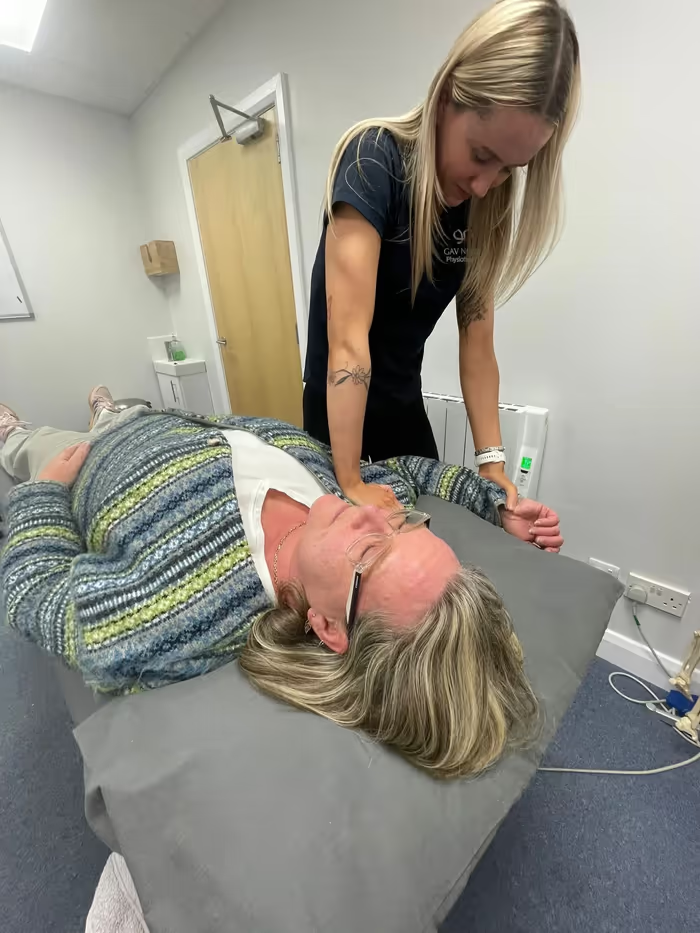
At Gav Noble Physiotherapy, we assess your shoulder movement, strength and control. We may also examine your neck and upper back because these areas can contribute to shoulder symptoms.
Treatment may include:
- A personalised exercise programme
- Rotator cuff strengthening
- Shoulder and upper-back mobility exercises
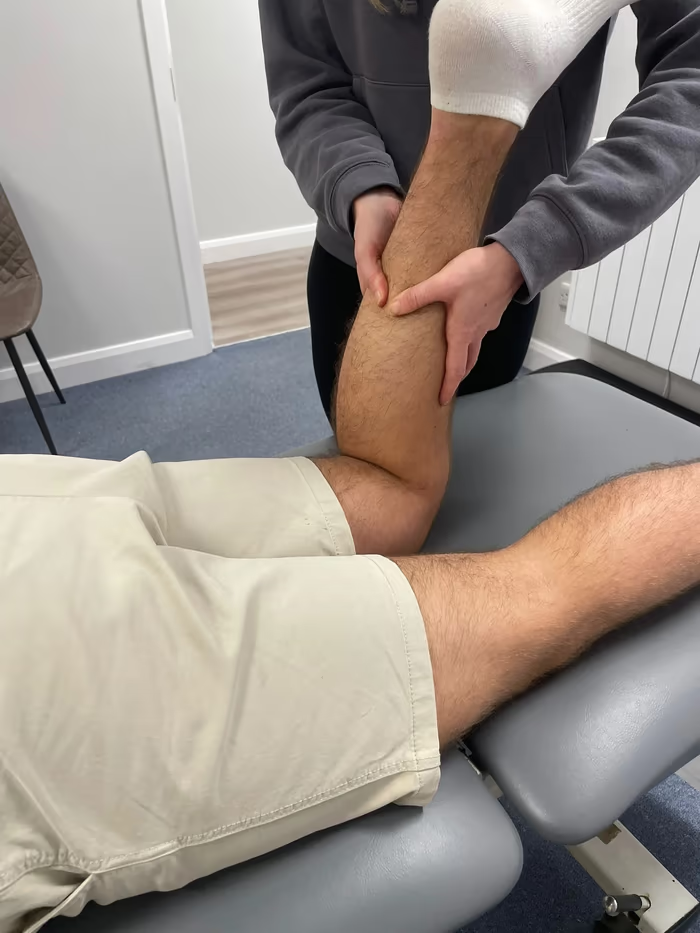
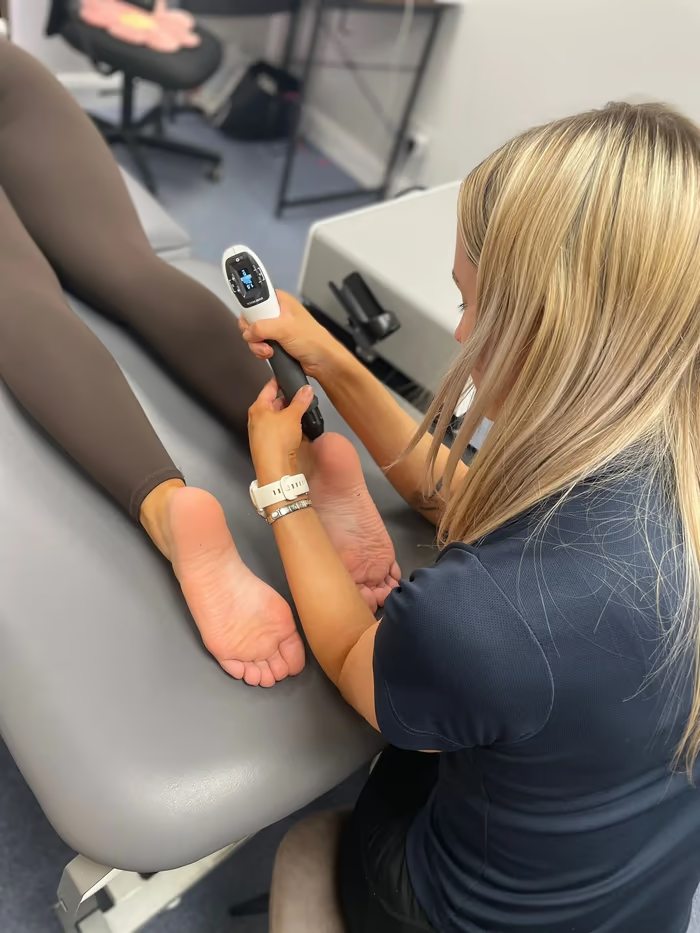
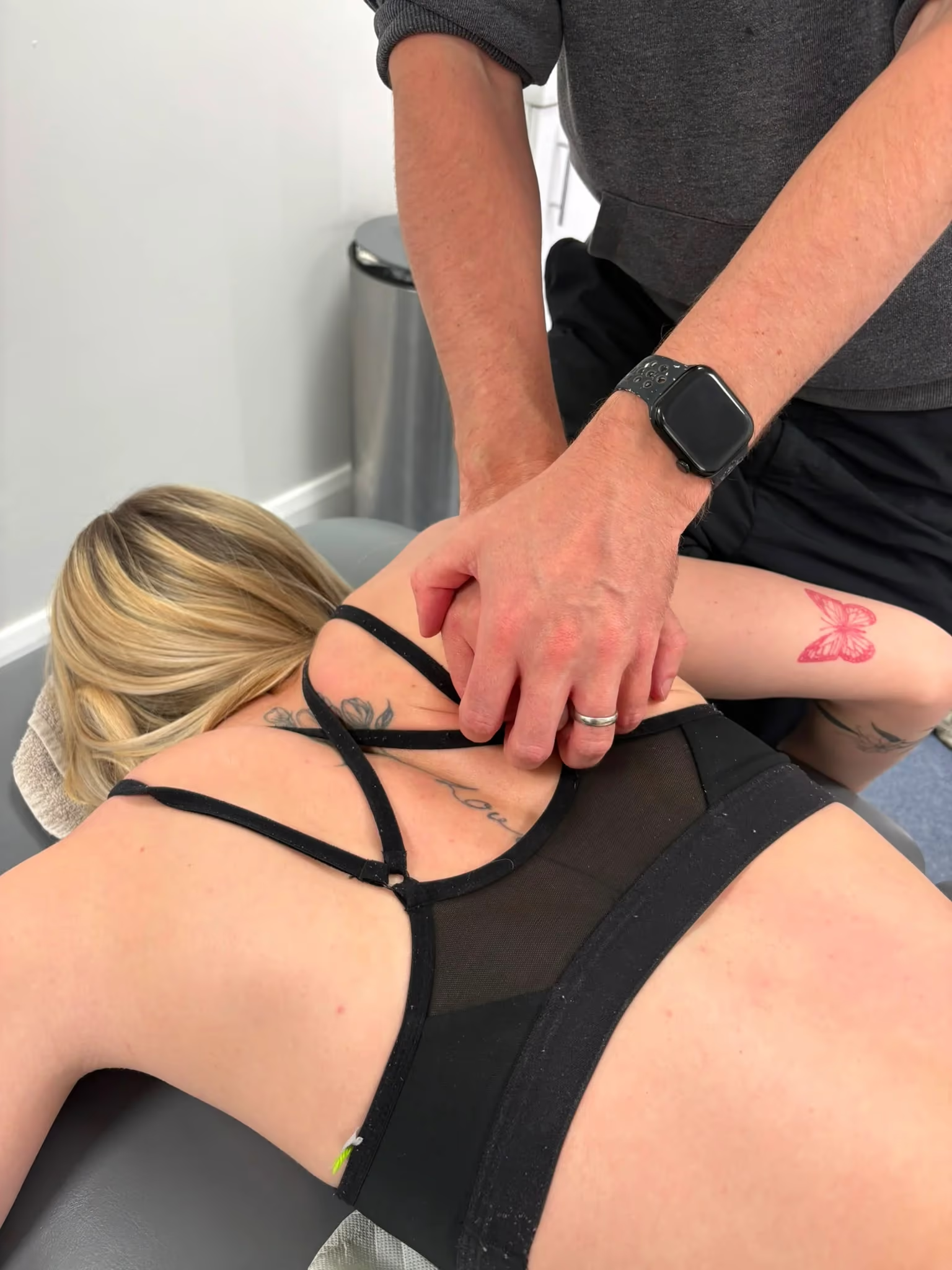
- Hands-on treatment where appropriate
- Advice on sleeping and daily activities
- Guidance on lifting and reaching
- Gradual return to work, exercise or sport
Our aim is to improve your shoulder’s strength and movement rather than simply advising you to stop using it.
Physiotherapy and home exercises are common treatments for shoulder pain. NICE guidance also includes exercise and physiotherapy in the management of rotator cuff conditions.
Should I Keep Moving My Shoulder?
In most cases, completely resting the shoulder is not recommended. Gentle movement helps maintain mobility and can prevent increasing stiffness.
Activities may need to be temporarily adjusted, particularly repeated overhead lifting or movements that significantly increase pain.
Shoulder Pain FAQs
Do I need an X-ray or scan?
Most shoulder problems can initially be assessed without imaging. A scan may be considered following significant injury, persistent weakness or when the result would affect treatment.
Can physiotherapy help a rotator cuff problem?
Yes. Exercise can improve shoulder strength, movement and function. Minor rotator cuff tears are common and may not always cause symptoms.
How long does shoulder pain take to improve?
Recovery varies depending on the cause. Some conditions improve within several weeks, while frozen shoulder can take considerably longer.
When should I seek urgent help?
Seek prompt medical advice after a serious injury, if you cannot move your arm, the shoulder looks deformed, or you develop sudden swelling, loss of feeling, fever or severe unexplained pain.
Shoulder Pain Exercises and Advice

Fix Your Shoulder Pain Before It Gets Worse! Easy 30-Second Daily Exercise 🕒

Stop Stretching! The Real Fix for Shoulder Pain After 50

5-Min Shoulder Pain Fix for Over 50 | Instant Relief with Easy Band Exercises (No Surgery Needed

Is Your Shoulder Pain Serious? Watch This

Avoid These 3 Common Mistakes That Worsen Shoulder Injuries"

Best shoulder mobility exercise | mobility workouts | shoulder pain | The 10X Physio channel

3 Shoulder Pain Exercises You Can Do at Home (Just a Stick!)