Condition

What Is Tennis Elbow?

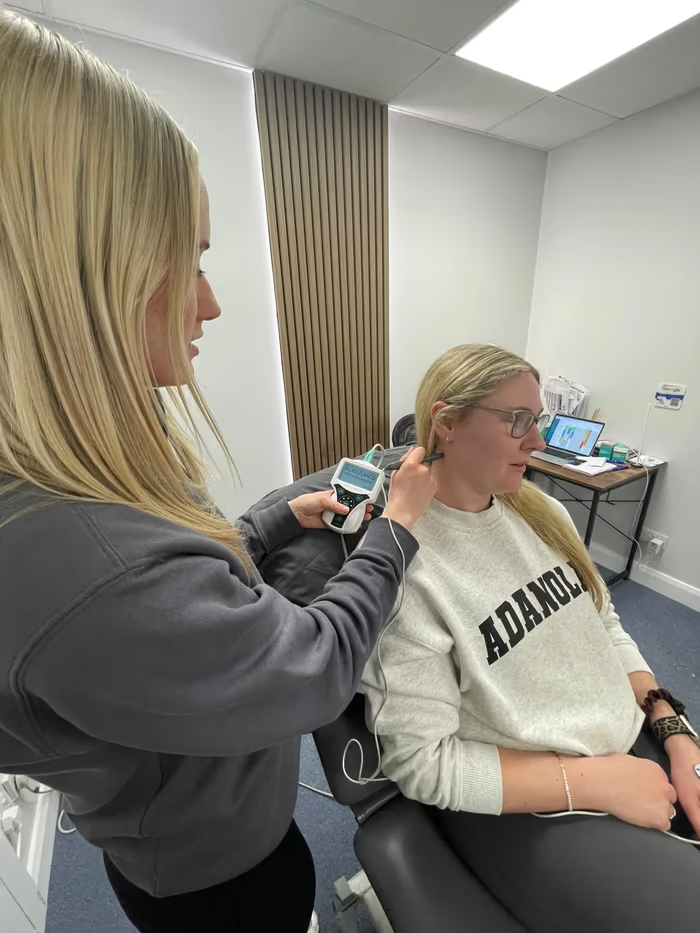
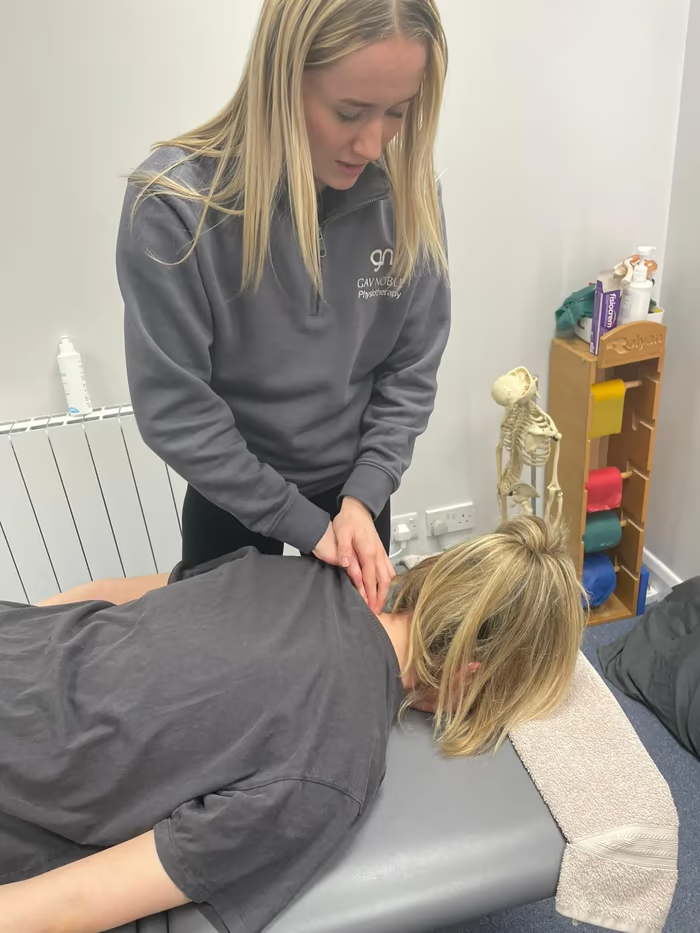
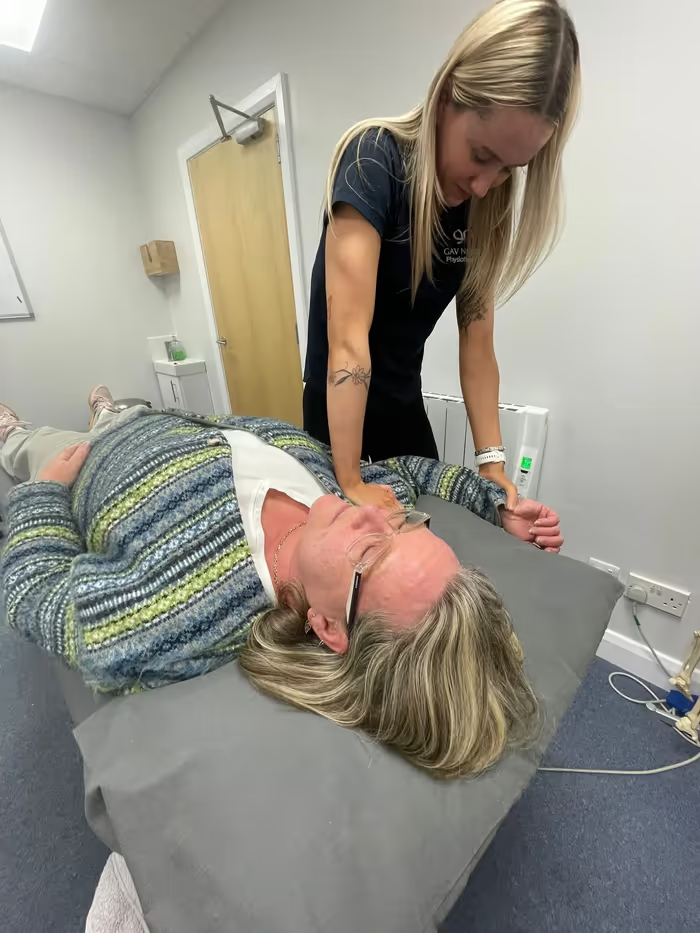
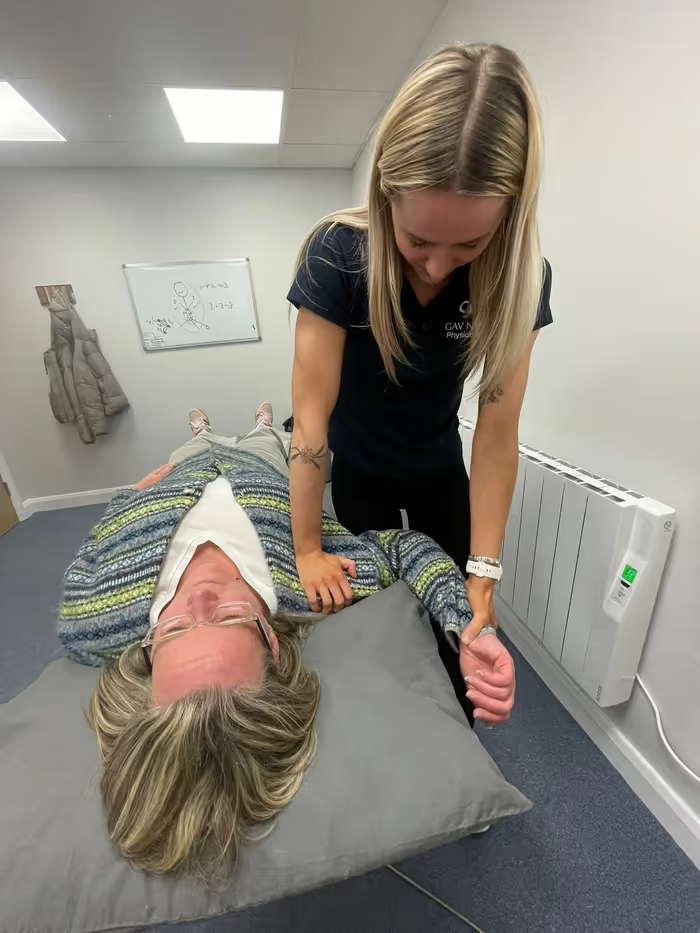
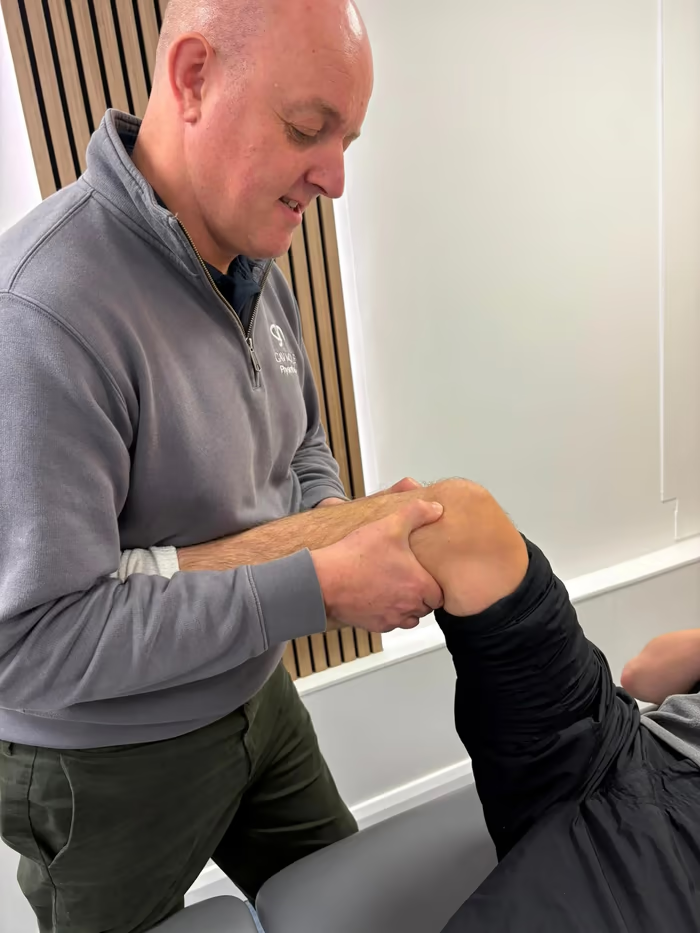
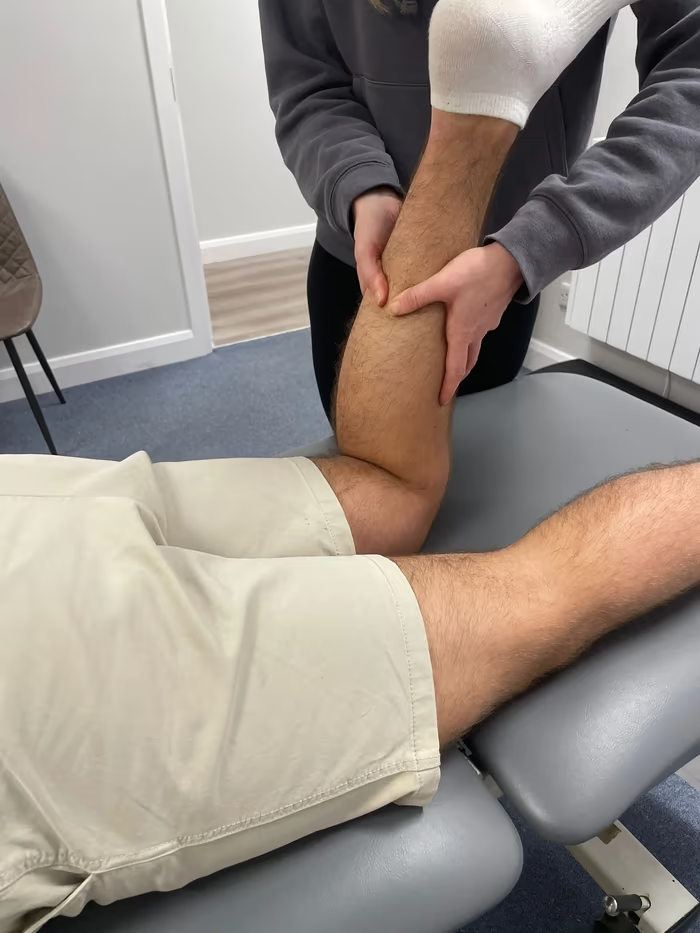
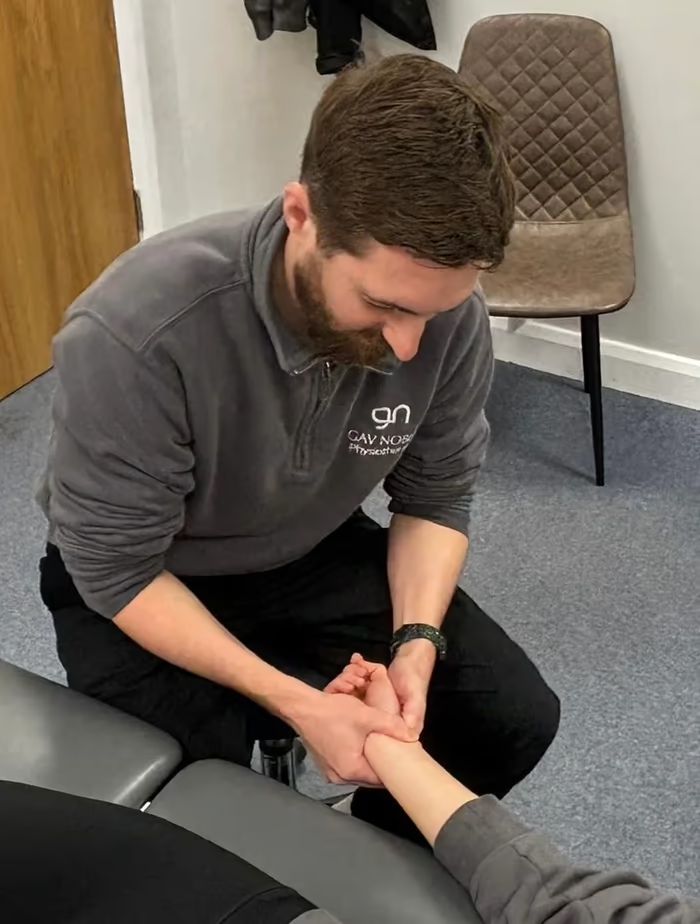
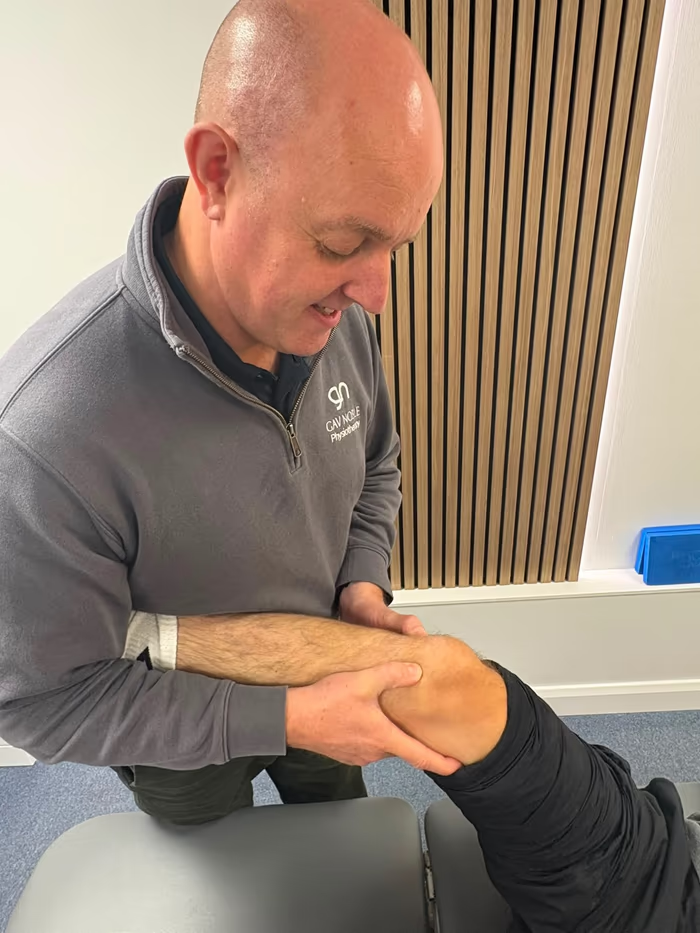
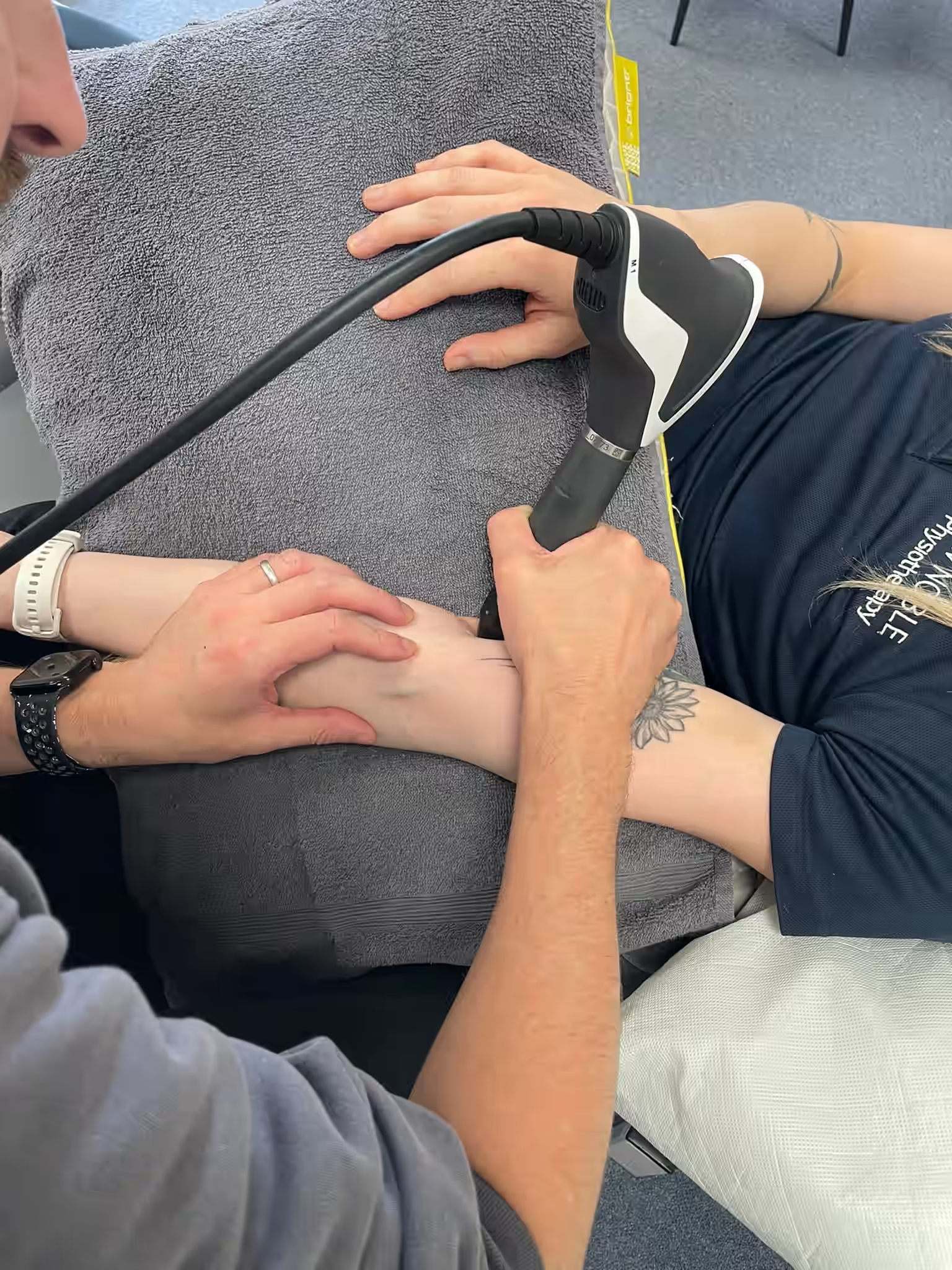
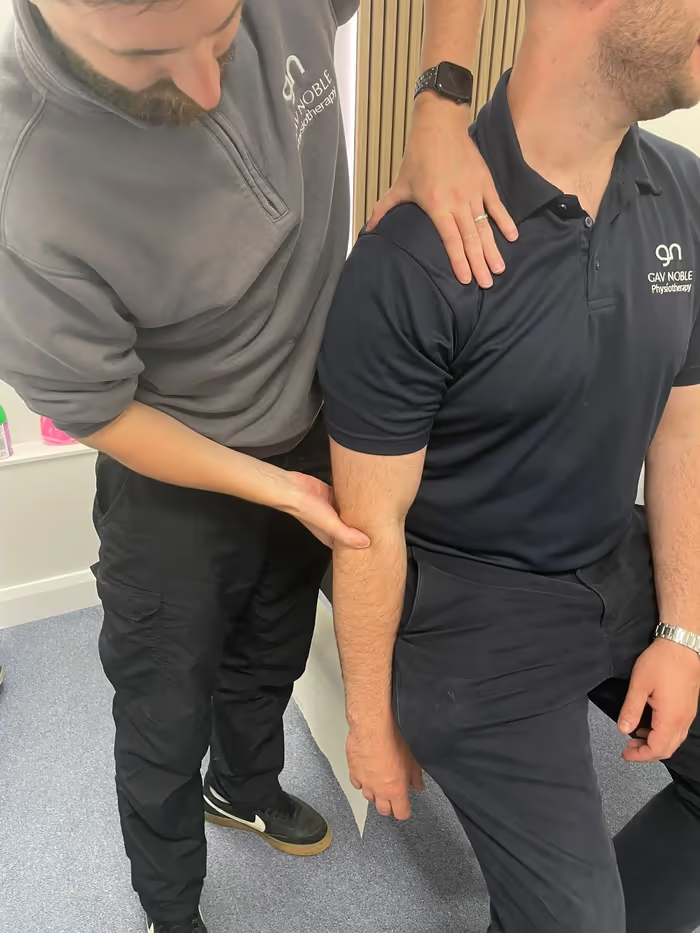
Tennis Elbow being assessed at Gav Noble Physiotherapy in Lisburn

Tennis elbow is a painful condition affecting the tendons on the outside of the elbow. Its medical name is lateral epicondylitis or lateral elbow tendinopathy.

Despite its name, you do not need to play tennis to develop it. Tennis elbow is commonly linked to repeated gripping, lifting, twisting or wrist movements at work, during exercise or while completing everyday tasks.

Book an Appointment — opens in a new tab
What to Look For

Common Symptoms

The main symptom is pain and tenderness around the outside of the elbow.

You may notice:

  • Pain when gripping or shaking hands
  • Discomfort when lifting a kettle or shopping bag
  • Pain when twisting a door handle
  • Reduced grip strength
  • Pain extending into the forearm
  • Difficulty using tools, typing or playing racquet sports
  • Tenderness over the bony area outside the elbow

Symptoms may begin gradually and can persist for several months if the tendon remains overloaded.

Causes

What Causes Tennis Elbow?

Tennis elbow develops when the forearm tendon is exposed to more repeated strain than it can currently tolerate.

Contributing factors may include:

  • Repetitive gripping or lifting
  • Manual work involving tools
  • Racquet sports
  • Gardening or DIY
  • A sudden increase in exercise
  • Poor lifting technique
  • Reduced forearm strength
  • Inadequate recovery between activities

Tennis elbow is estimated to affect around 1–3% of the population.

How Can Physiotherapy Help?

At Gav Noble Physiotherapy, we assess your elbow, wrist and forearm strength. We also consider your work, hobbies, sport and the activities that aggravate your symptoms.

Treatment may include:

  • A personalised strengthening programme
  • Progressive tendon-loading exercises
  • Advice on modifying painful activities
  • Grip and wrist-strengthening exercises
  • Hands-on treatment where appropriate
  • Guidance on lifting and workplace technique
  • An elbow strap or support where suitable
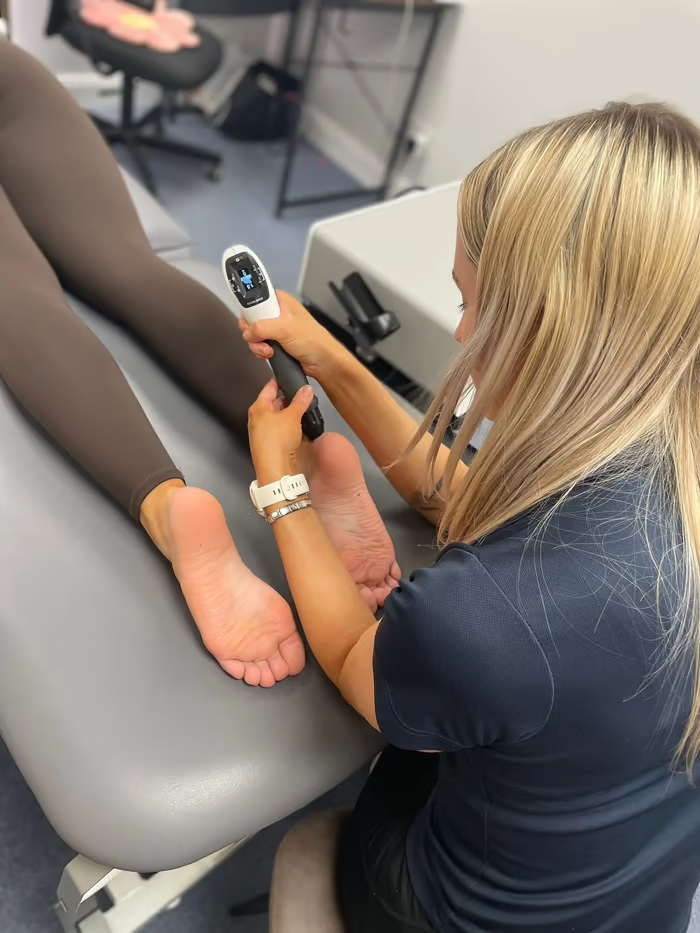
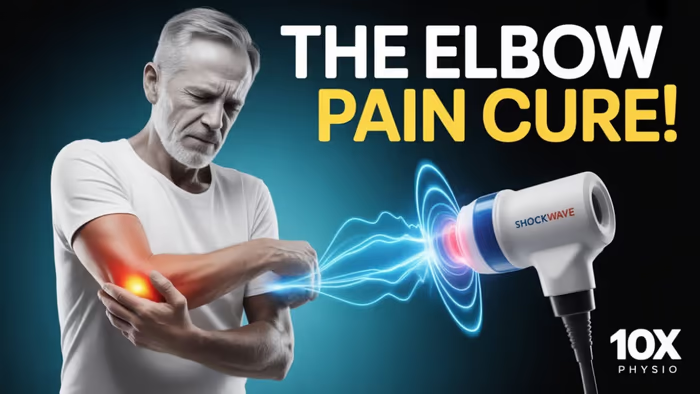
  • Shockwave therapy for persistent cases

Exercise programmes can help improve tennis elbow symptoms, although no single treatment is ideal for everyone.
Rest

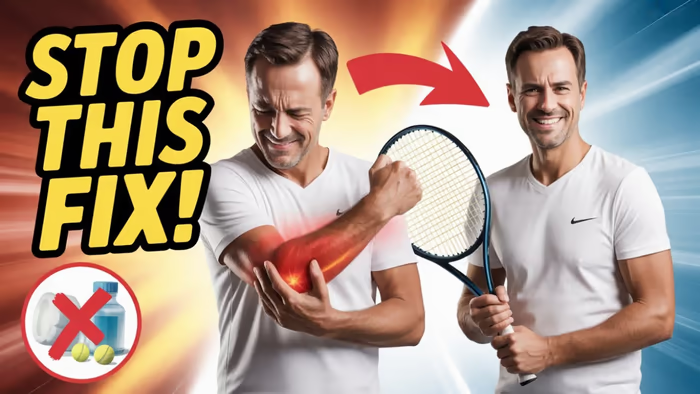
Should I Rest My Arm?

Common Questions

Tennis Elbow FAQs

How long does tennis elbow take to improve?

Some cases improve within several weeks, but persistent symptoms may take several months.

Do I need an injection?

Not usually. Exercise and activity modification are often tried first. Steroid injections are no longer routinely recommended by some NHS services because long-term outcomes may be poorer.

Can shockwave therapy help?

Shockwave therapy may be considered when symptoms have not improved with appropriate rehabilitation. NICE has published guidance on its use for persistent tennis elbow.

When should I seek advice?

Arrange an assessment if pain is worsening, affecting your grip or daily activities, or not improving with self-management.

Watch

Tennis Elbow Exercises and Advice