Condition

What Is Plantar Fasciitis?

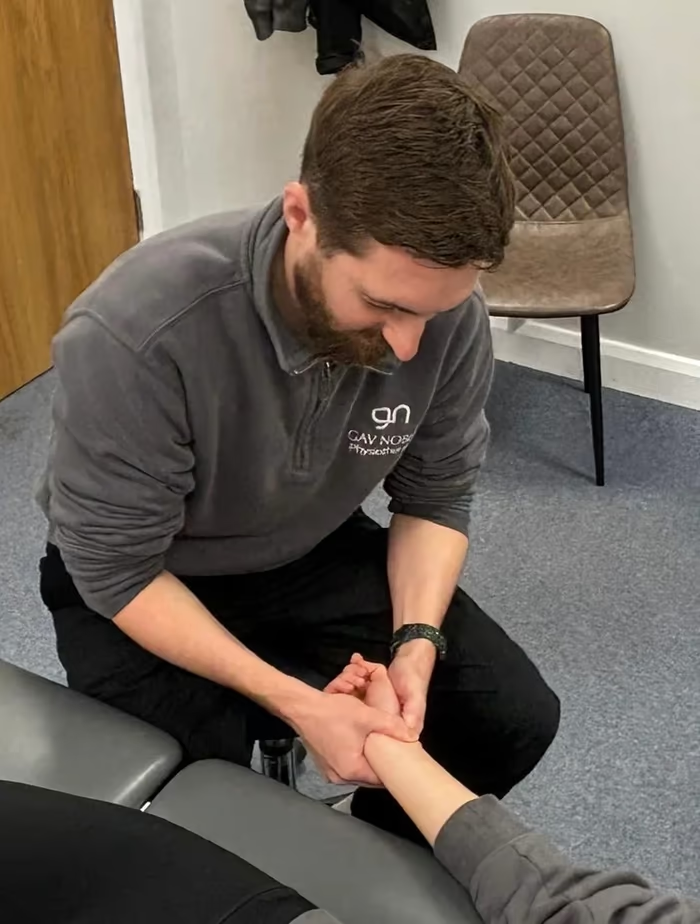
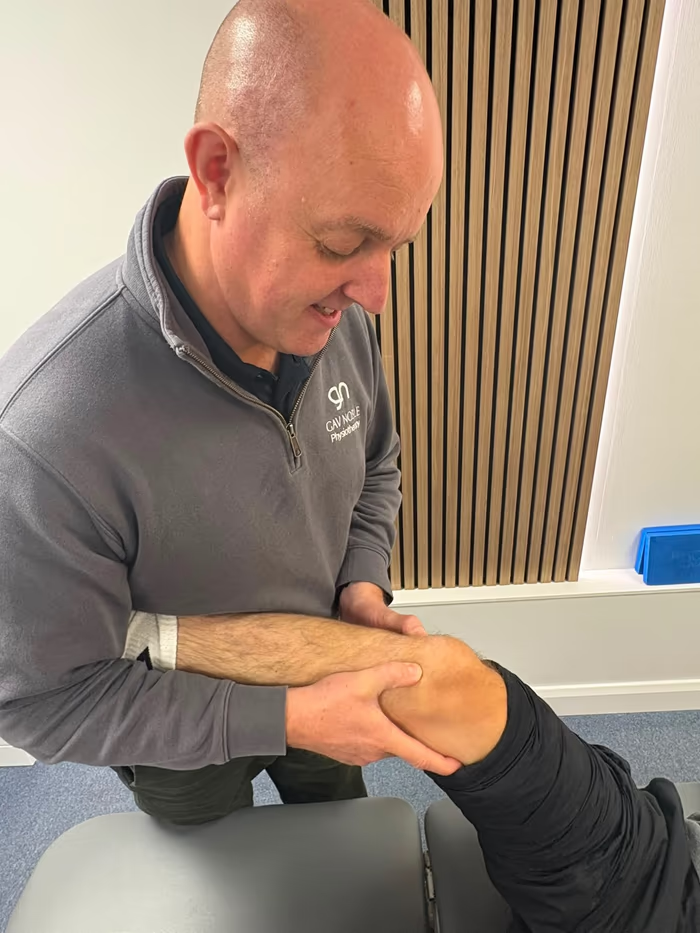
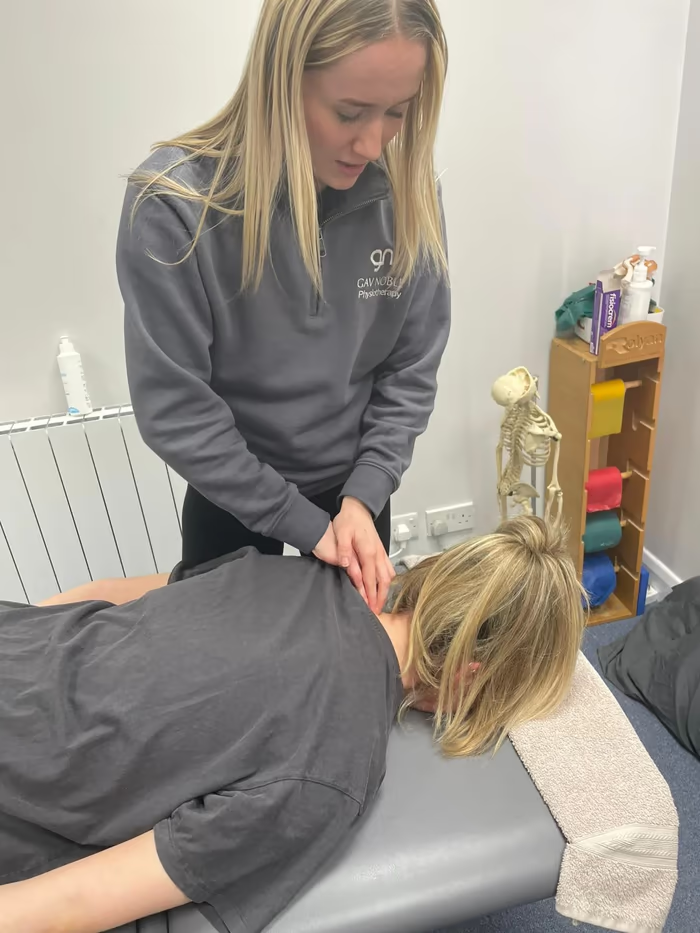
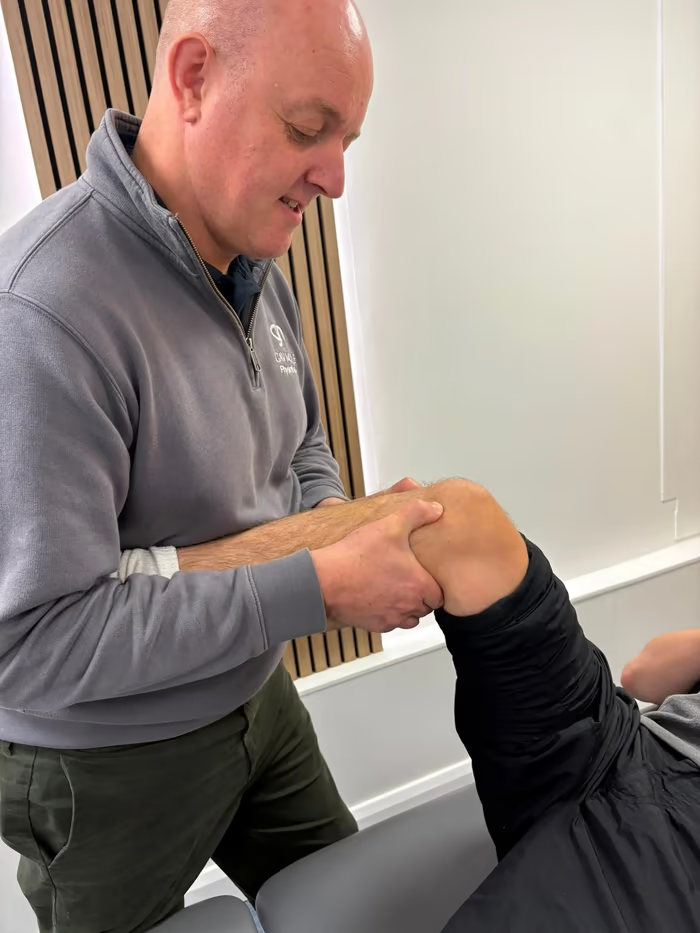
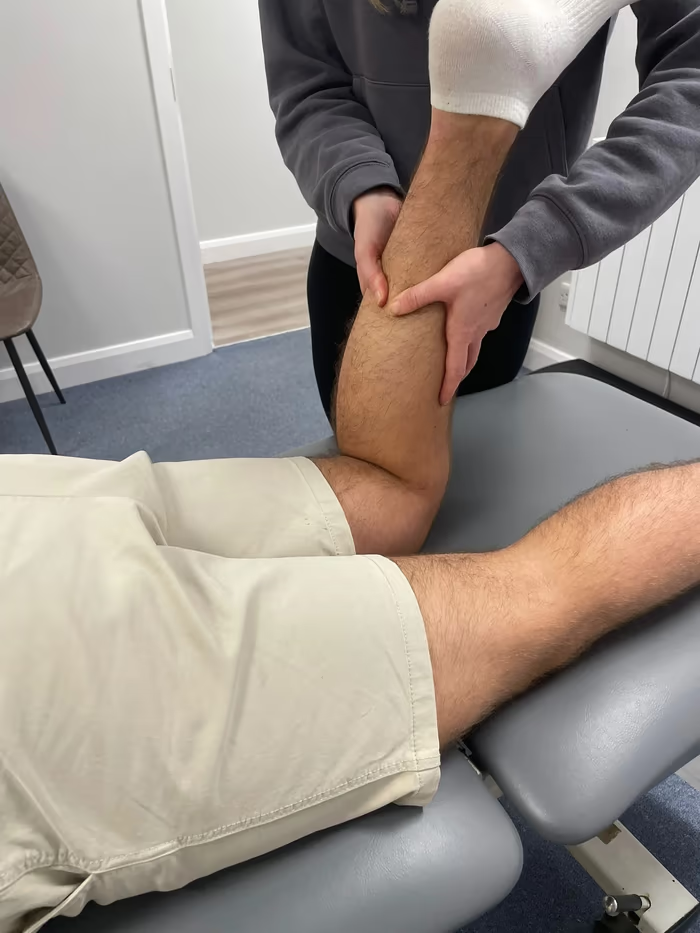
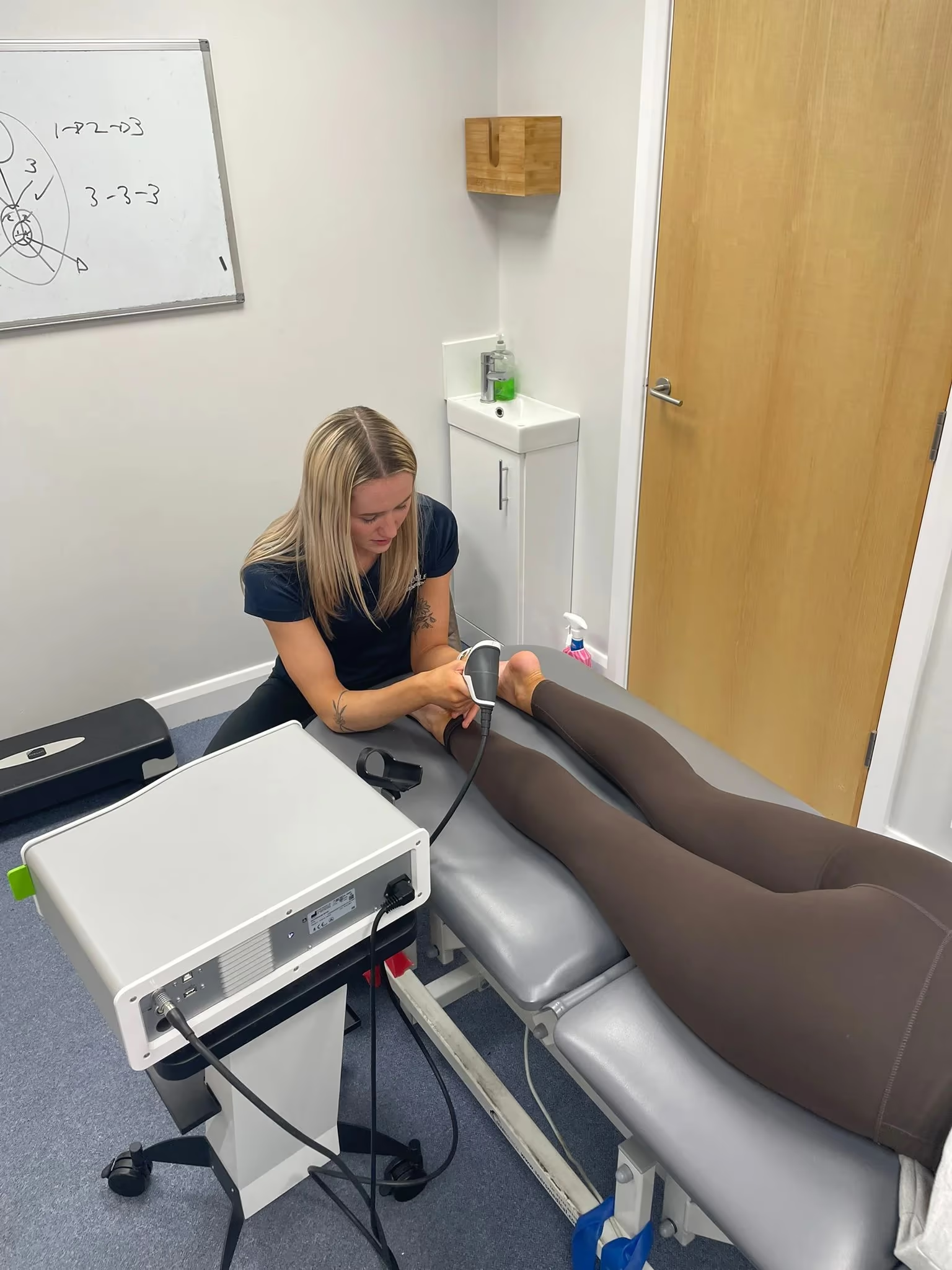
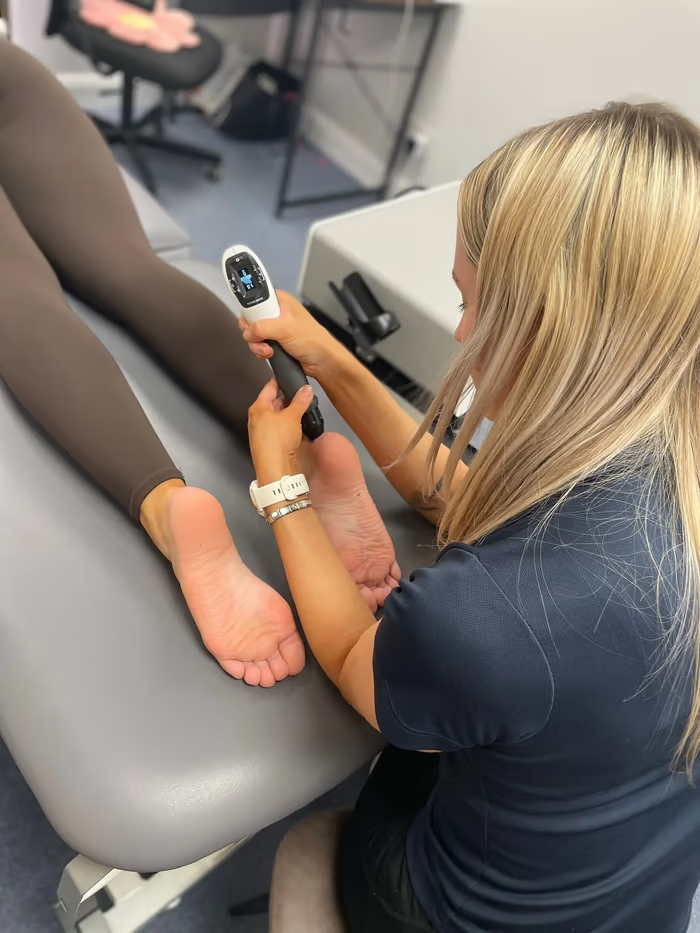
Plantar Fasciitis being assessed at Gav Noble Physiotherapy in Lisburn

Plantar fasciitis is a common cause of pain underneath the heel. It affects the plantar fascia, a strong band of tissue that runs along the sole of the foot and helps support its arch.

The condition is often caused by repeated strain rather than one single injury. The tissue can become sensitive when the demands placed upon it exceed its current ability to cope.

Book an Appointment — opens in a new tab
What to Look For

Common Symptoms

The most recognisable symptom is pain underneath or towards the inside of the heel.

You may notice:

  • Pain during your first steps in the morning
  • Heel pain after sitting or resting
  • Discomfort after walking or standing
  • Pain after running or exercise
  • Tenderness underneath the heel
  • Tightness through the foot or calf
  • Pain when walking barefoot

The discomfort may ease after several minutes of movement before returning later in the day.

Causes

Why Does Plantar Fasciitis Develop?

Book an Appointment — opens in a new tab

Several factors can increase the strain placed on the plantar fascia.

These may include:

  • A sudden increase in walking or running
  • Spending long periods standing
  • Tight or weak calf muscles
  • Poorly cushioned or unsupportive footwear
  • A change in body weight
  • Reduced foot and ankle strength
  • Returning to exercise too quickly

Heel spurs may appear on an X-ray, but they are not usually considered the main cause of plantar fasciitis pain.

How We Help

How Can Physiotherapy Help?

At Gav Noble Physiotherapy, we assess your foot, ankle and calf strength, mobility and walking pattern.

Treatment may include:

  • Plantar fascia and calf stretches
  • Progressive calf and foot strengthening
  • Advice on modifying painful activities
  • Hands-on treatment where appropriate
  • Guidance on footwear
  • Heel pads or foot orthotics where suitable
  • A gradual return to walking, running or sport

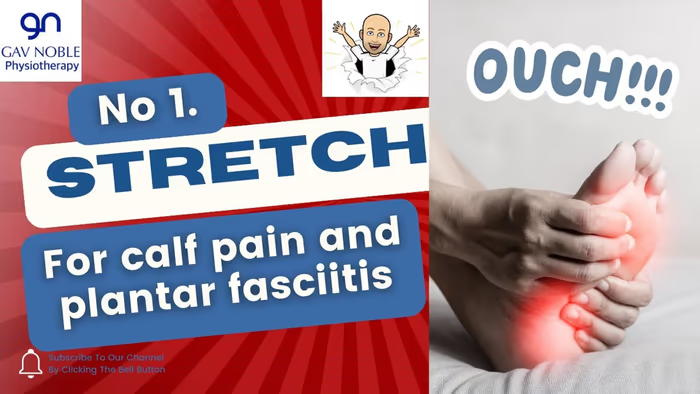
NICE recommends regular plantar fascia and calf stretching as part of the initial management of plantar fasciitis.

Shockwave

Can Shockwave Therapy Help?

Should I Stop Walking?

Complete rest is rarely necessary. However, temporarily reducing long walks, running or prolonged standing may help settle an irritated heel.

Supportive footwear and a gradual return to activity are generally better than repeatedly pushing through increasing pain. We recommend comfortable cushioned shoes, insoles and gentle stretching.
Common Questions

Plantar Fasciitis FAQs

How long does plantar fasciitis take to improve?

Recovery varies. Some people improve within several weeks, while longstanding symptoms can take several months.

Can orthotics help?

Yes. Insoles may reduce pressure on the heel and support the foot, particularly when combined with exercise and suitable footwear.

Should I walk barefoot?

Barefoot walking may aggravate symptoms, especially on hard floors.

When should I seek advice?

Arrange an assessment if your pain is severe, worsening, affecting normal walking or not improving with self-management.

Watch

Plantar Fasciitis Exercises and Advice