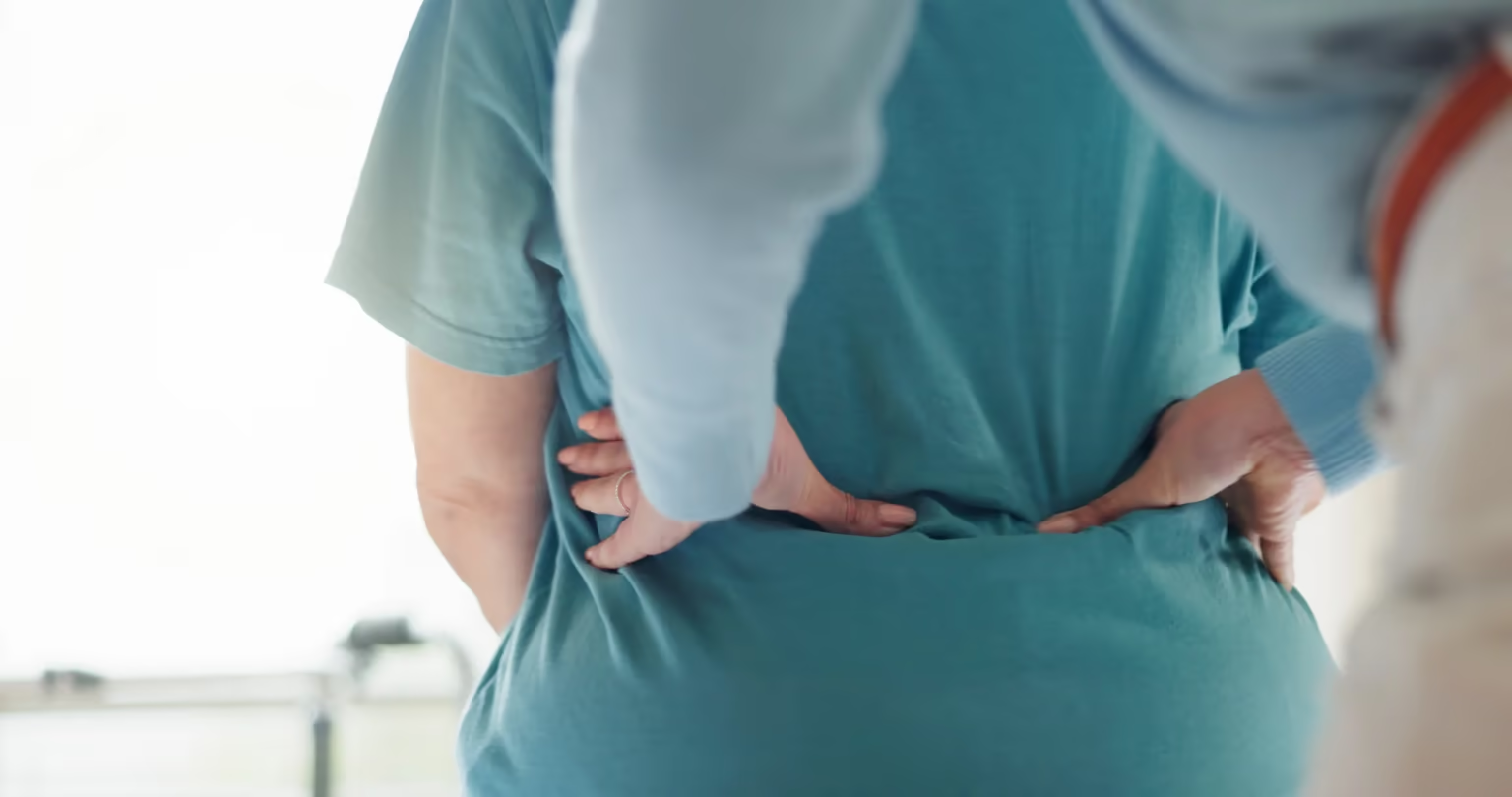
What Causes Hip Pain?
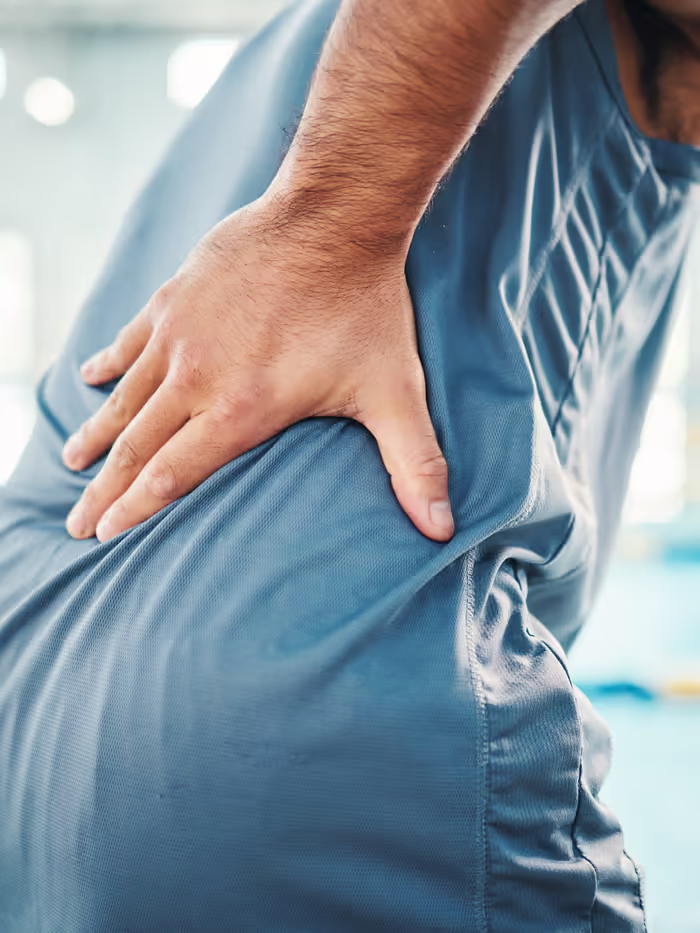
Hip pain can develop suddenly after an injury or gradually over time. It may be felt in the groin, outer hip, buttock or upper thigh.
Common causes include:
- Hip osteoarthritis
- Gluteal tendinopathy
- Greater trochanteric pain syndrome
- Muscle or tendon strains
- Reduced hip strength or mobility
- Pain referred from the lower back
- Previous injury or surgery
- Repetitive walking, running or sporting activity
Pain on the outside of the hip is often linked to irritation of the gluteal tendons rather than damage inside the hip joint.
Book an Appointment — opens in a new tabCommon Symptoms
Hip pain can affect walking, sleeping and everyday activities.
Symptoms may include:
- Groin or outer hip pain
- Stiffness after sitting or resting
- Pain when walking or climbing stairs
- Difficulty putting on shoes and socks
- Pain when lying on one side
- Reduced movement
- Weakness or limping
- Difficulty getting in and out of a car
Hip osteoarthritis becomes more common with age, but pain levels do not always match the amount of change seen on an X-ray.
How Can Physiotherapy Help?
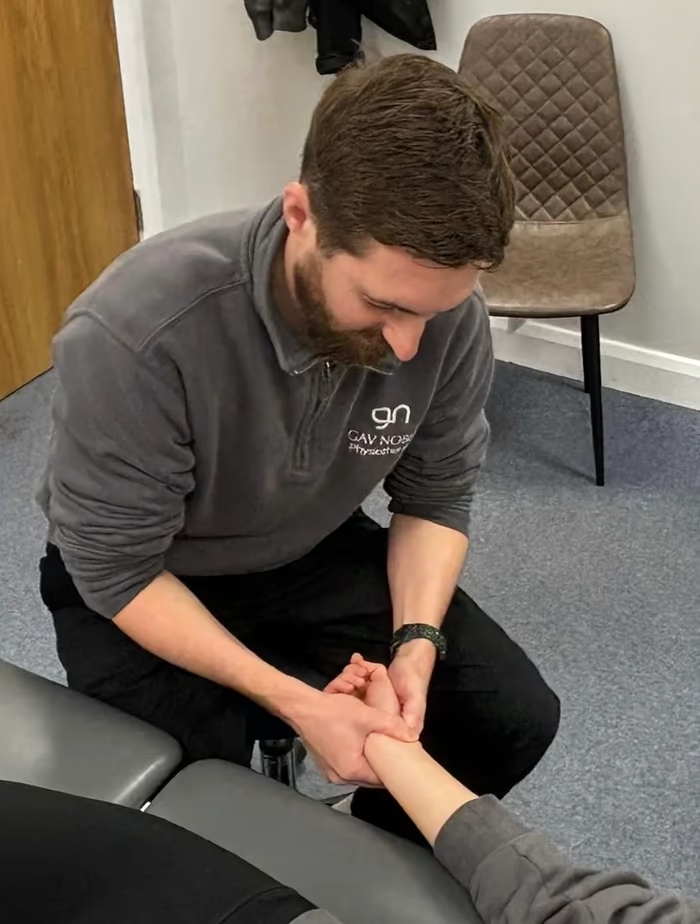
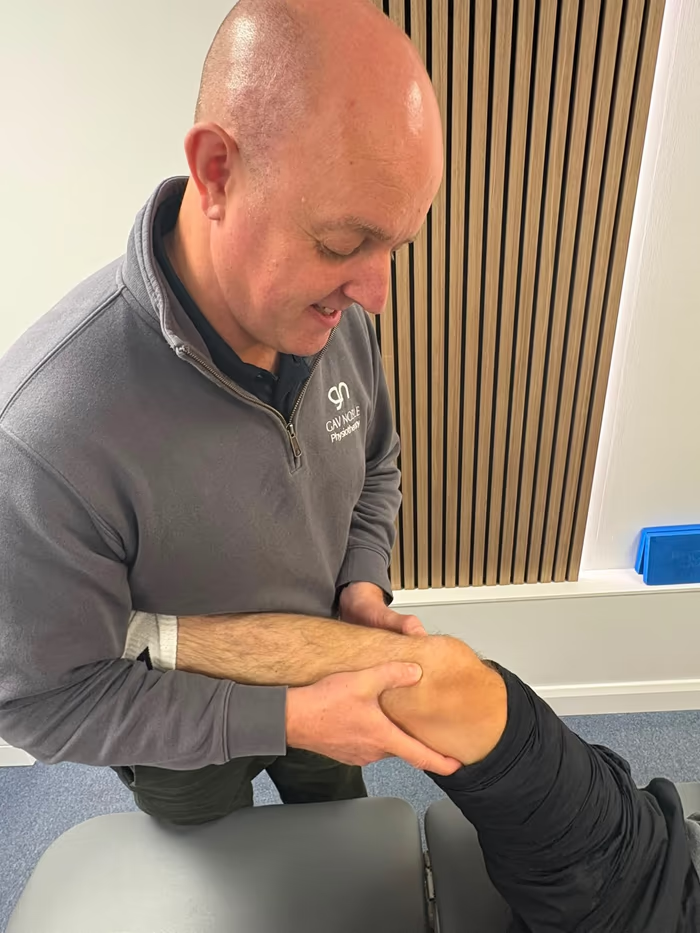
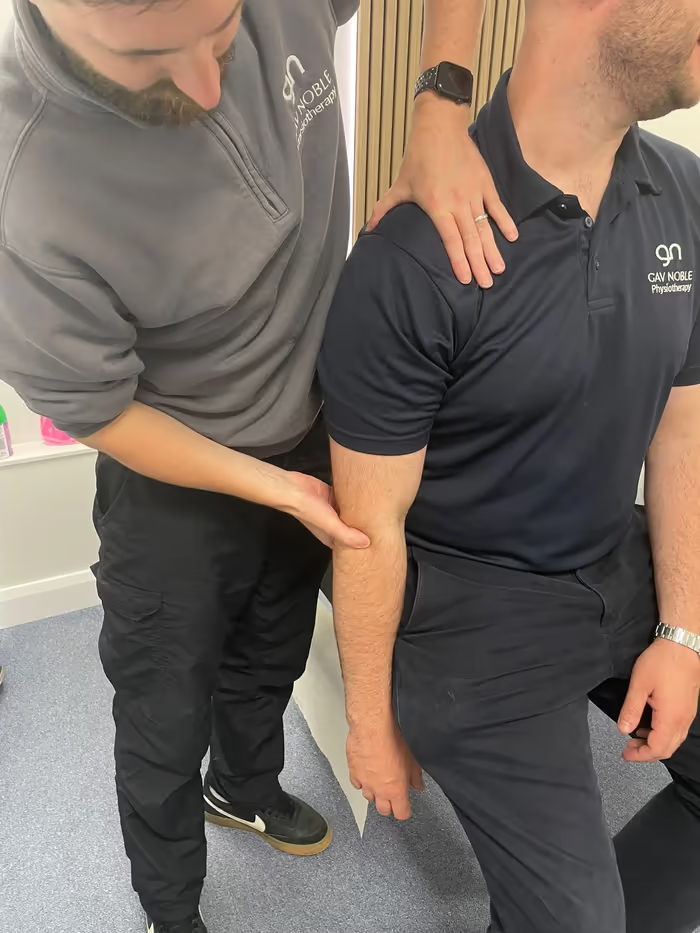
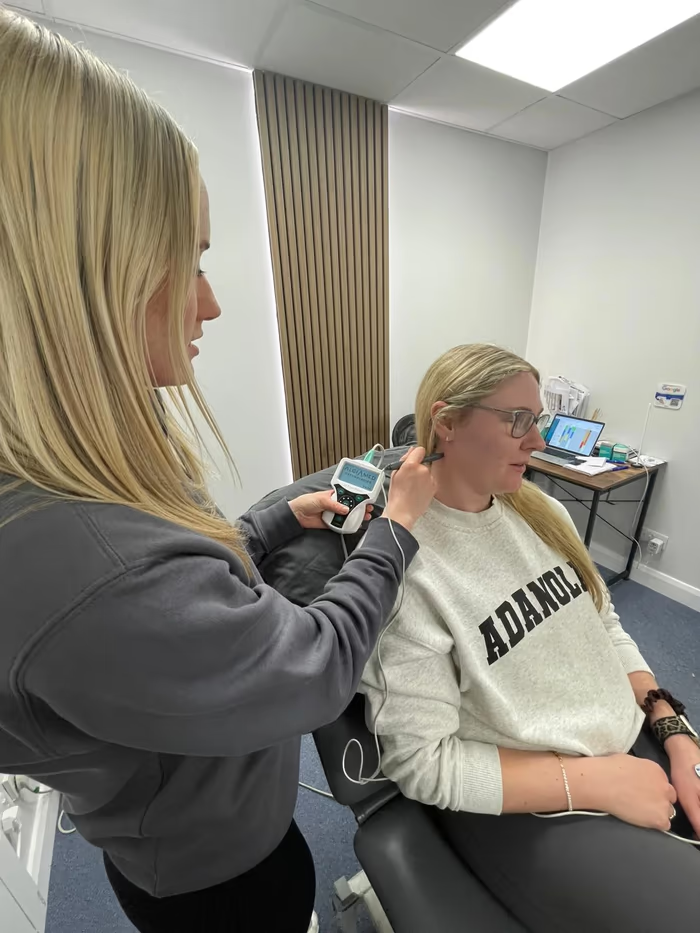
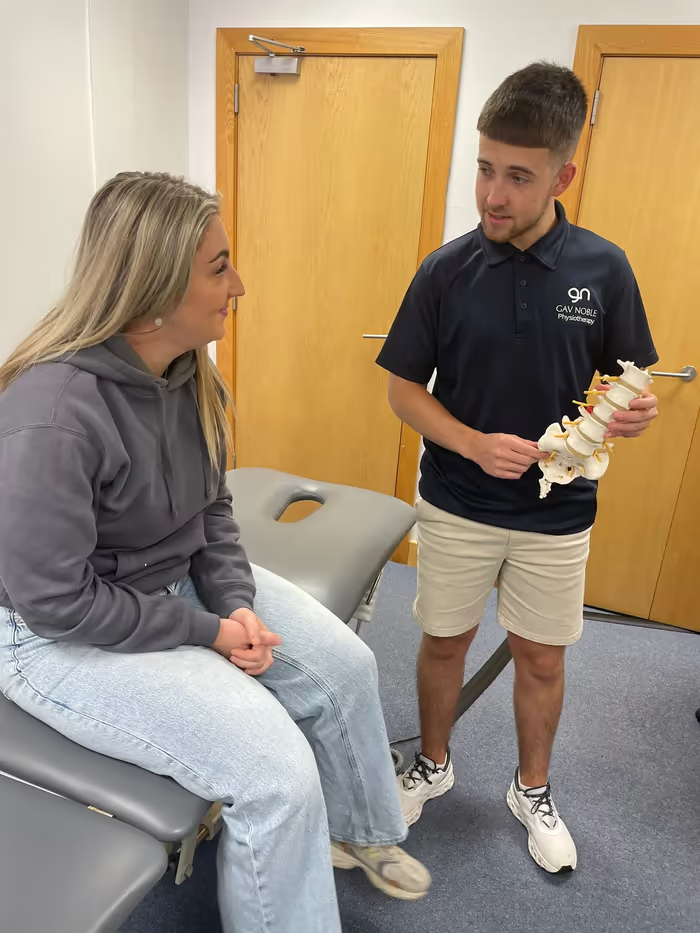
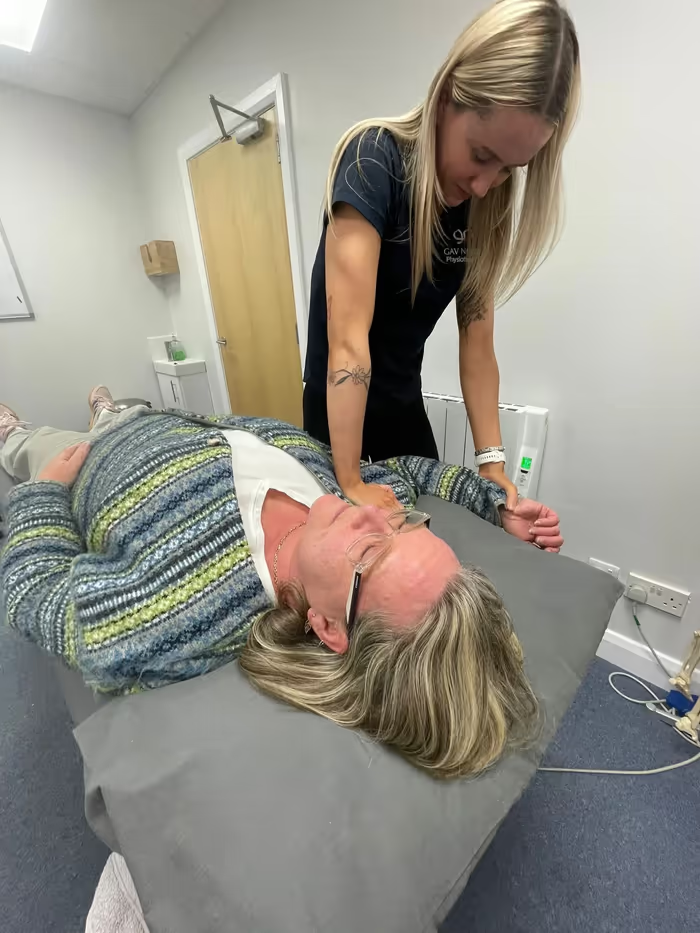
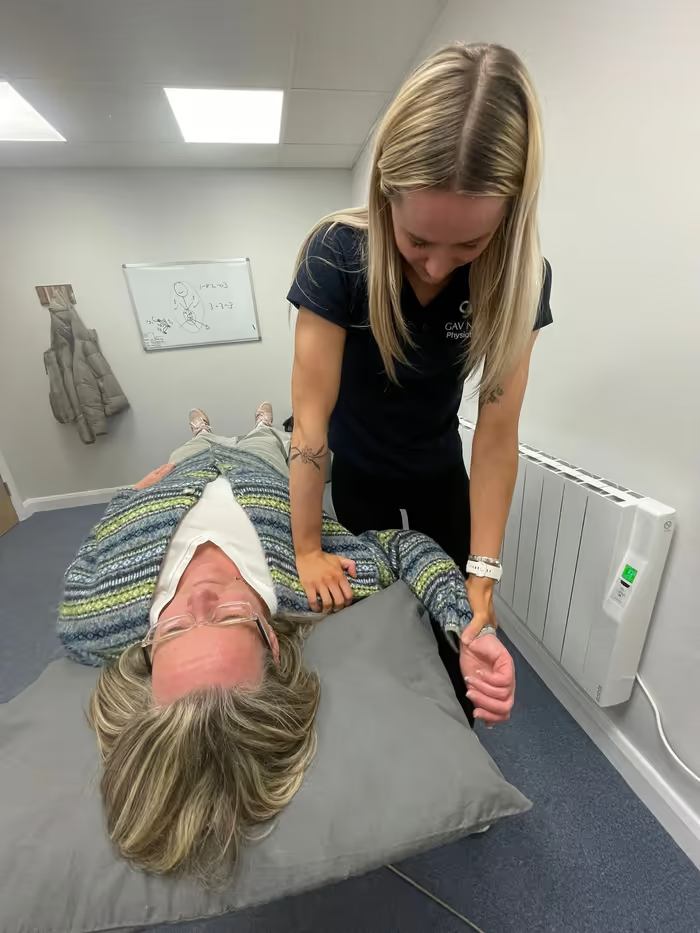
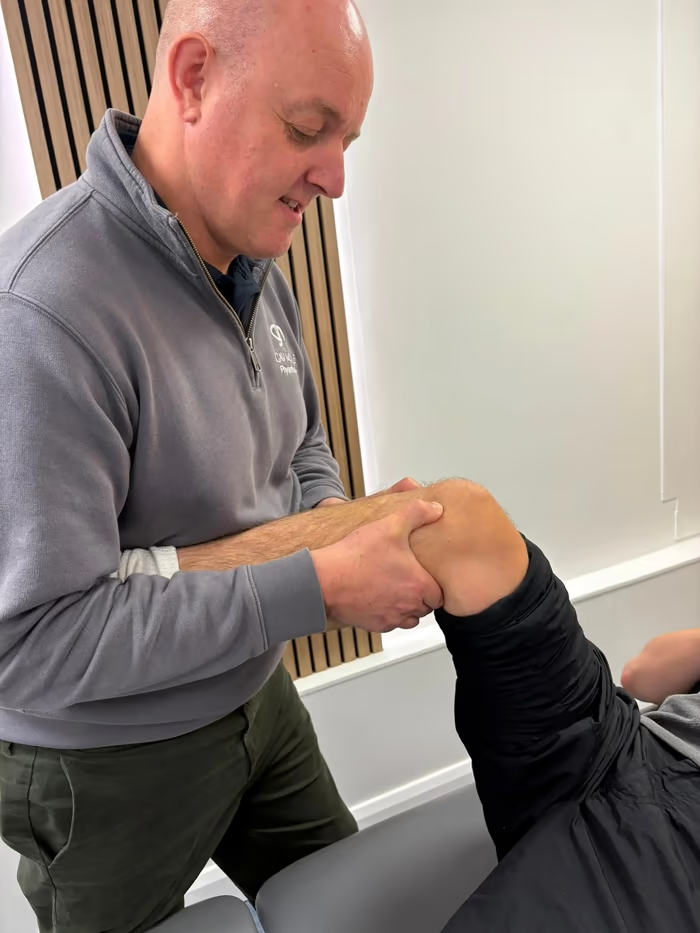
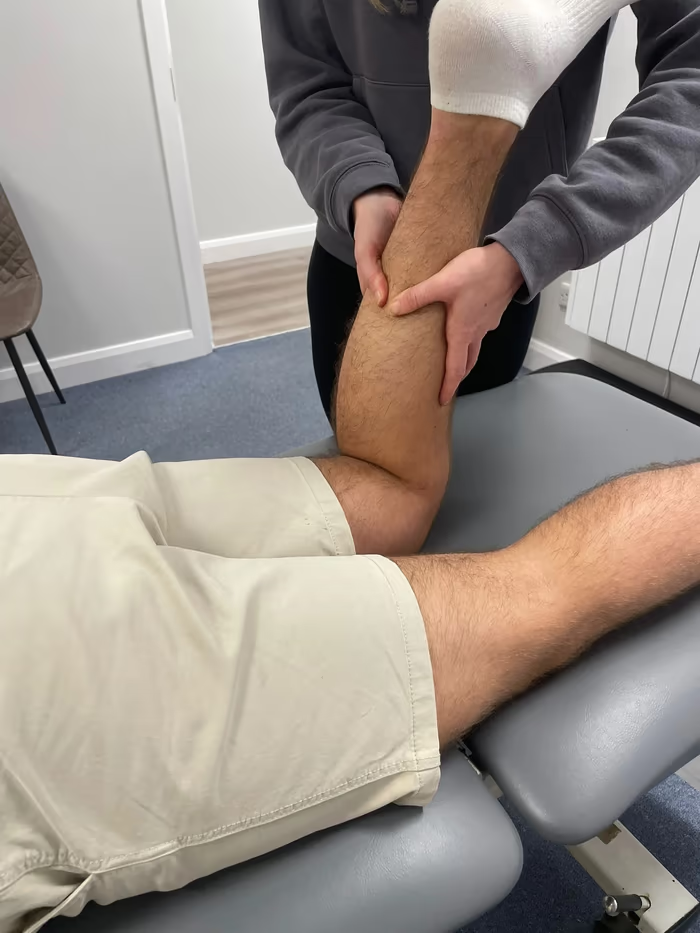
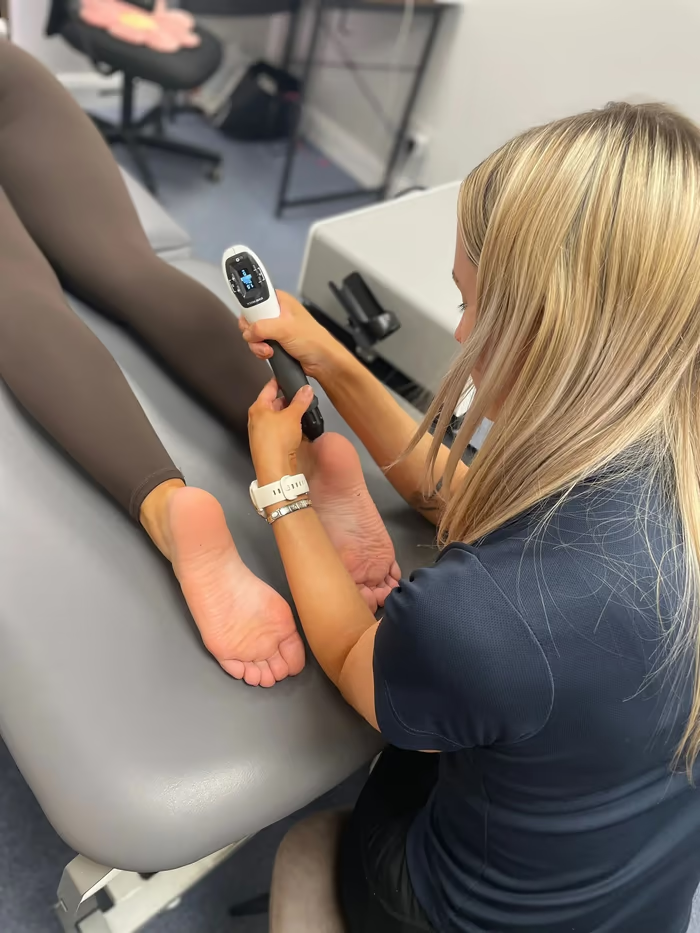
At Gav Noble Physiotherapy, we assess your hip movement, strength, balance and walking pattern. We may also examine your lower back, knee and foot because pain can sometimes be referred from another area.
Treatment may include:
- A personalised exercise programme
- Hip and buttock strengthening
- Mobility exercises
- Balance and walking rehabilitation
- Advice on managing painful activities
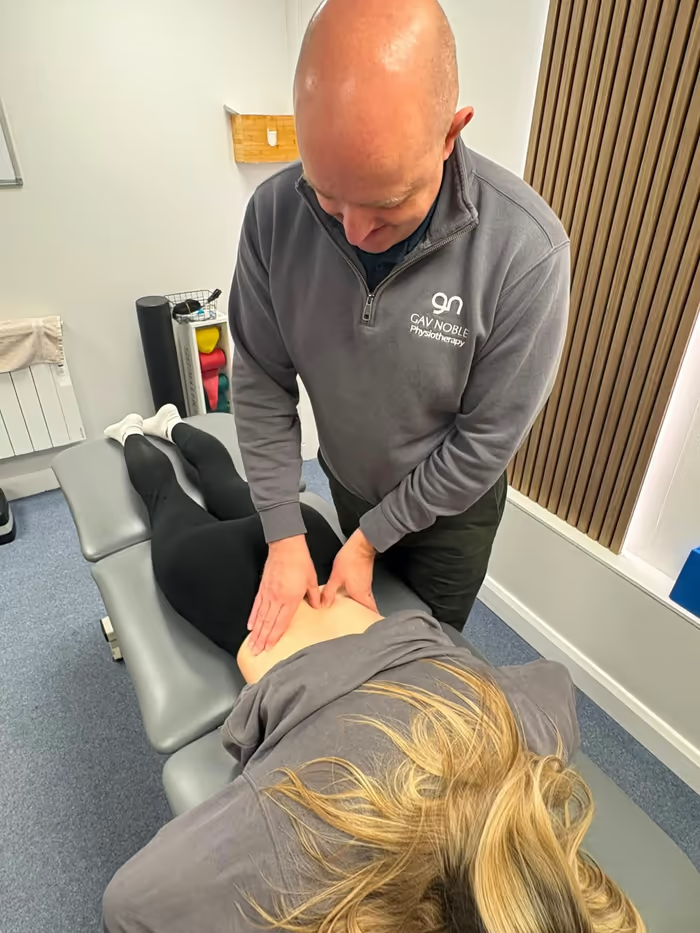
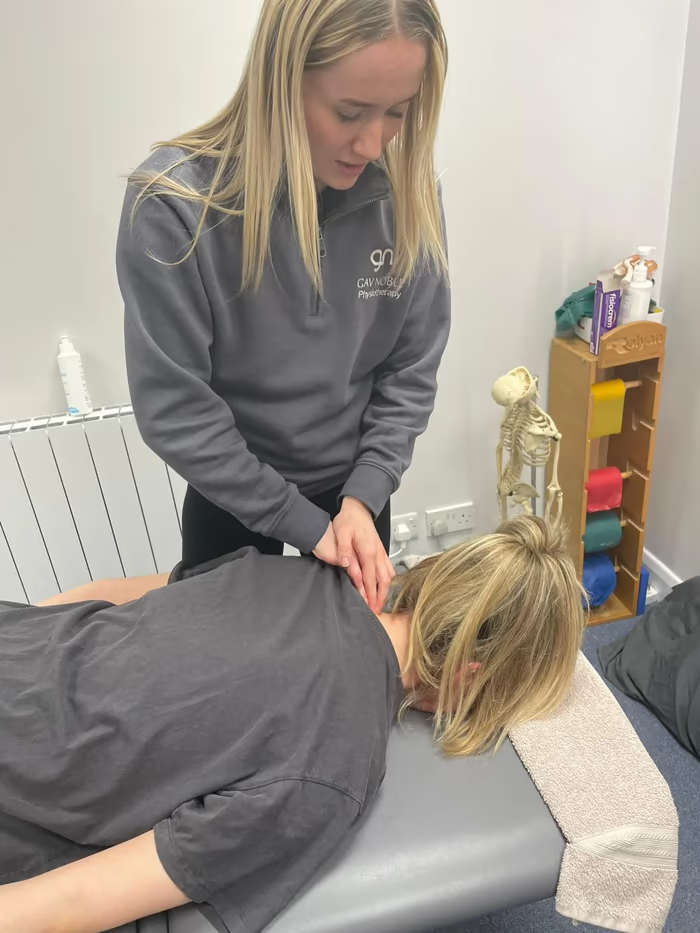
- Hands-on treatment where appropriate
- Guidance on returning to sport or exercise
- Rehabilitation before or after hip surgery
Our aim is to reduce pain, improve movement and help you return to the activities that matter to you.
Should I Exercise with Hip Pain?
For most hip conditions, appropriately selected exercise is safe and beneficial.
NICE recommends tailored strengthening and aerobic exercise for people with osteoarthritis. Some discomfort may occur when starting, but regular exercise can improve pain, strength and function.
Completely avoiding movement can lead to greater stiffness and weakness. Activity should be adjusted and increased gradually.
Hip Pain FAQs
Do I need an X-ray or MRI scan?
Not always. Many hip problems can be assessed using your symptoms and a physical examination.
Can physiotherapy help hip arthritis?
Yes. Exercise, strengthening and activity advice can improve movement and everyday function.
Is walking good for hip pain?
Walking is often helpful, but the distance, speed and terrain may need to be adjusted initially.
Why does my hip hurt at night?
Outer hip tendon pain and arthritis can both disturb sleep. Changing position and using pillow support may help.
When should I seek urgent help?
Seek prompt medical attention after a fall if you cannot bear weight, if the hip appears deformed, or if the joint becomes hot, swollen and painful with fever.
Hip Pain Exercises and Advice
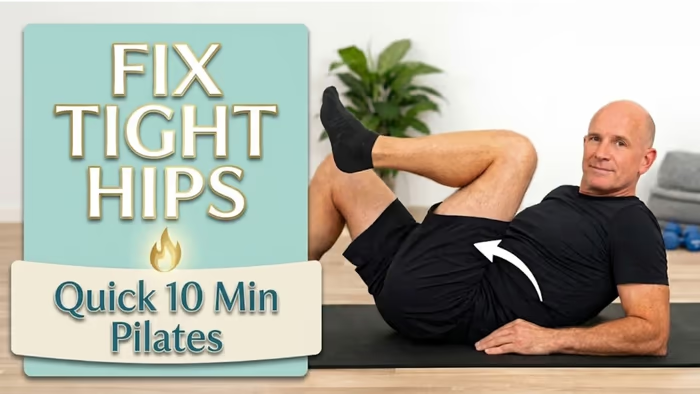
Fix Your Tight Hips FAST: 10 Min Pilates Hip Mobility Routine (Beginner)
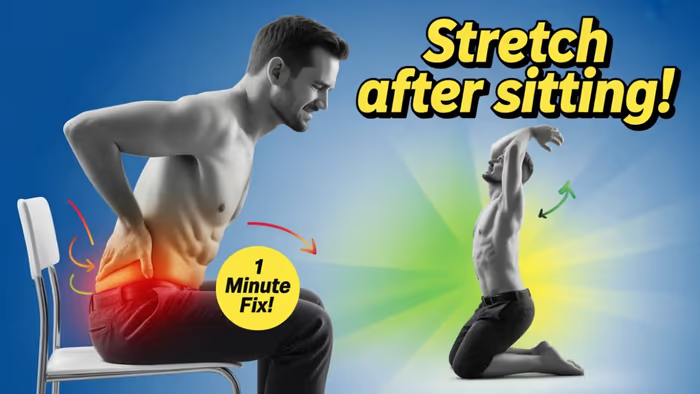
Stiff Hips After Sitting? The ONLY Stretch To Fix Your Tight Hips After Sitting (Over 50)

Tight Hips After 50? Fix Them Fast With This Simple Physio Routine
Feel Stronger Hips After 50 With These Moves
Tight Hips? Try This 10-Minute Stretch to Unlock Your Hips FAST!

3 Essential Hip Exercises | Ease Arthritis Pain NOW | Best hip exercises
Fix stiff hips Best Exercises for Seniors 50+ | Hip stretches | Hip workout | The 10X Physio Channel
3 Simple Hip Strengthening Exercises With a Resistance Band – Boost Your Hip Power! 🔥
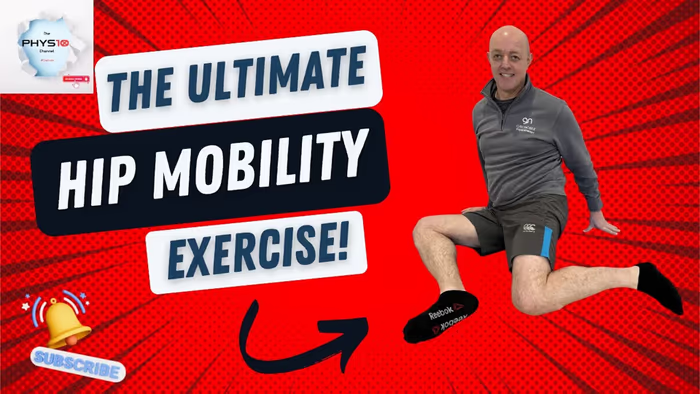
The Ultimate 90/90 Hip Mobility Exercise for Tight Hips
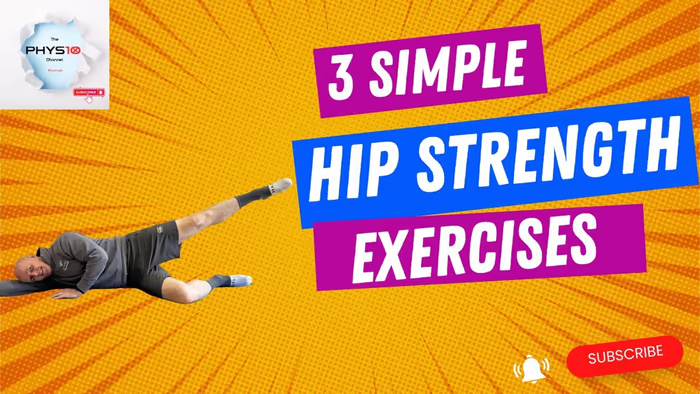
Hip Strengthening Movements: 3 Simple Hip Strengthening Exercises for Weak Hips