Condition

What Is Diabetic Neuropathy?

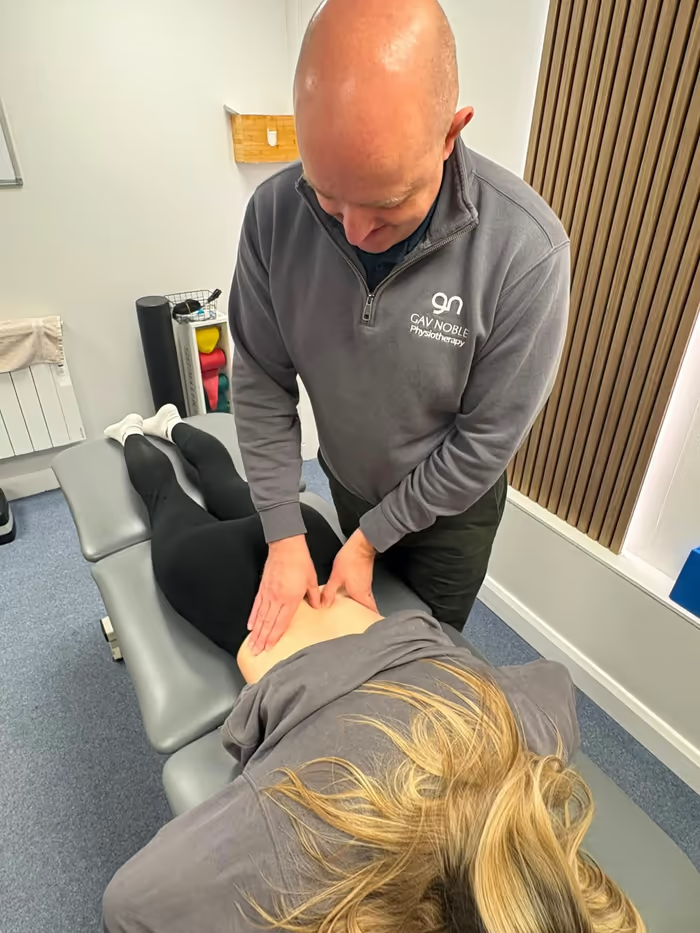
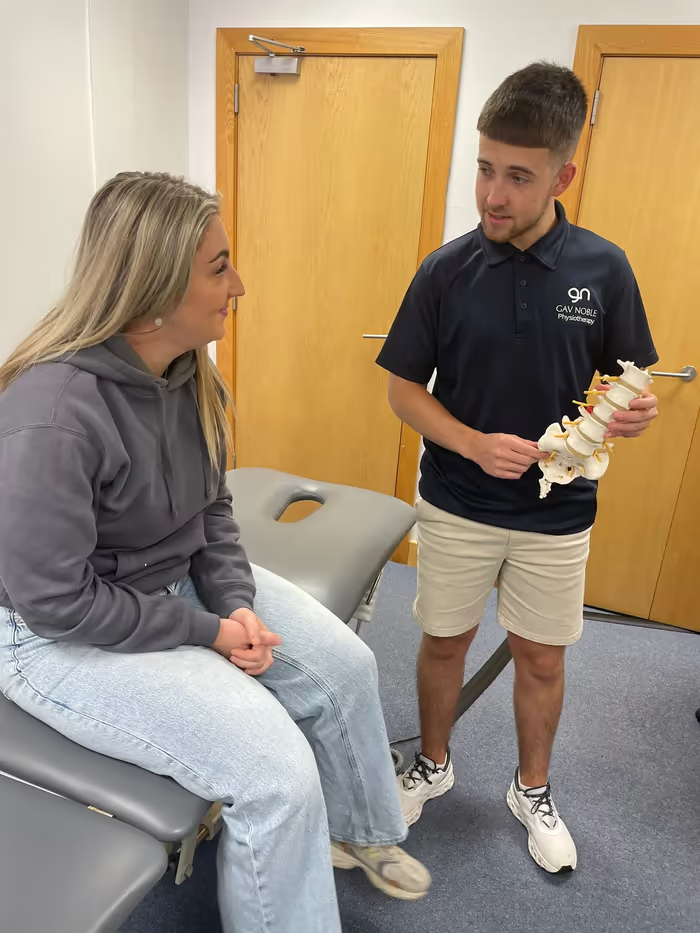
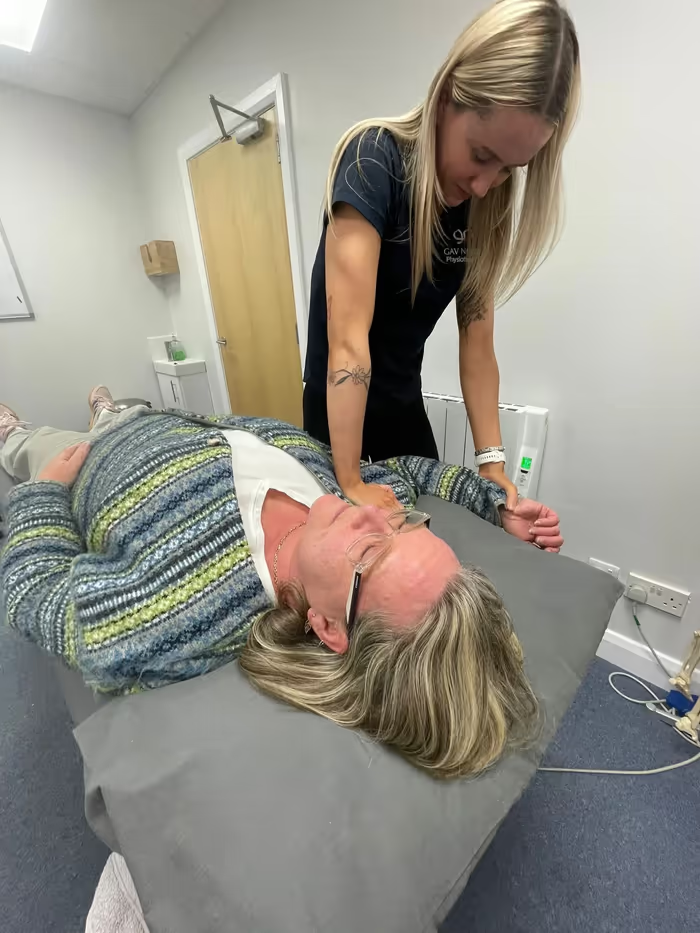
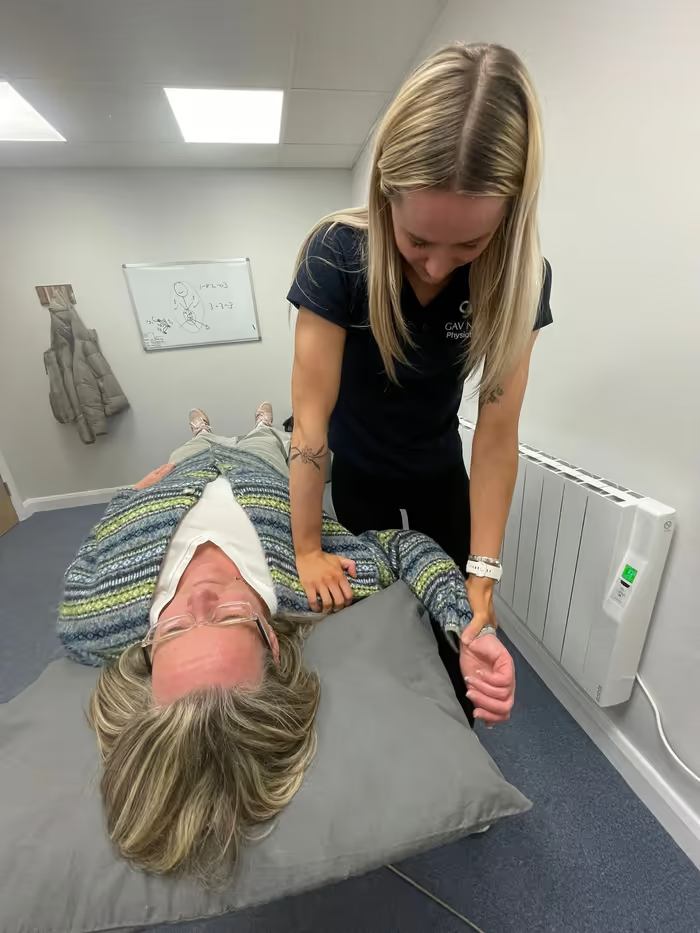
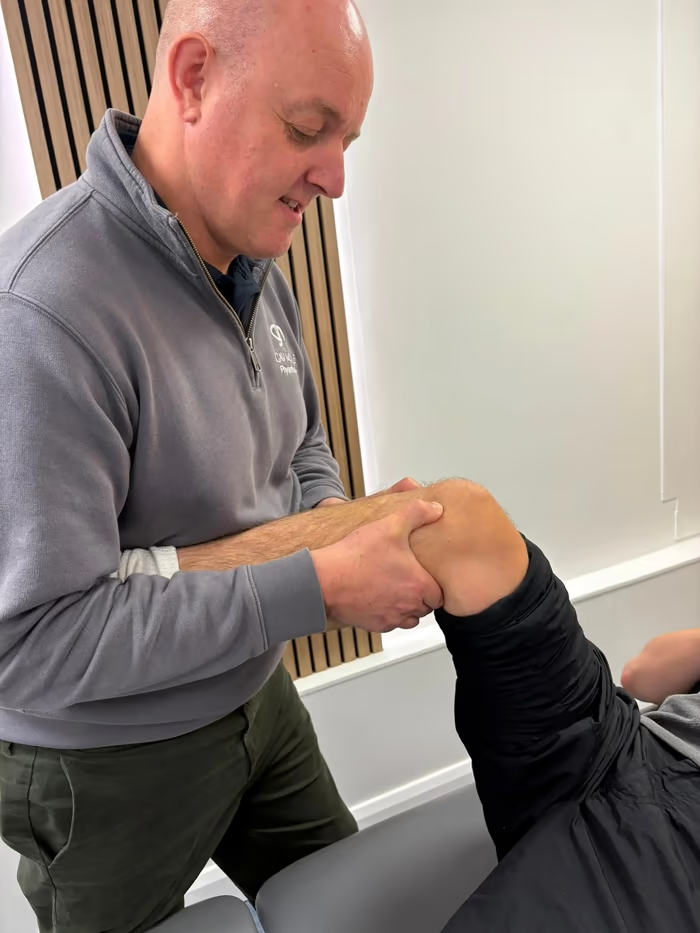
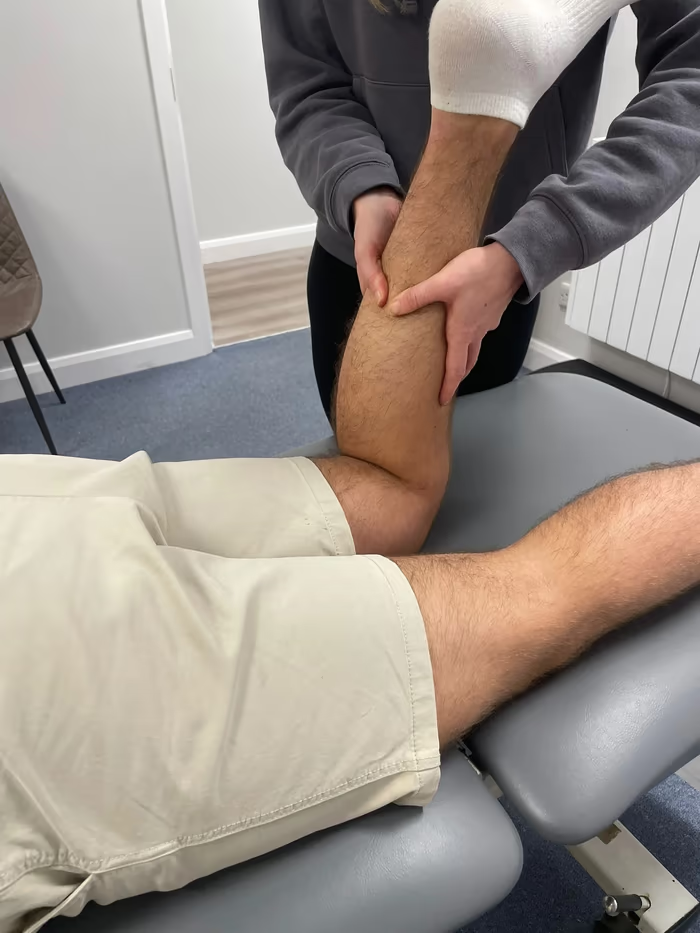
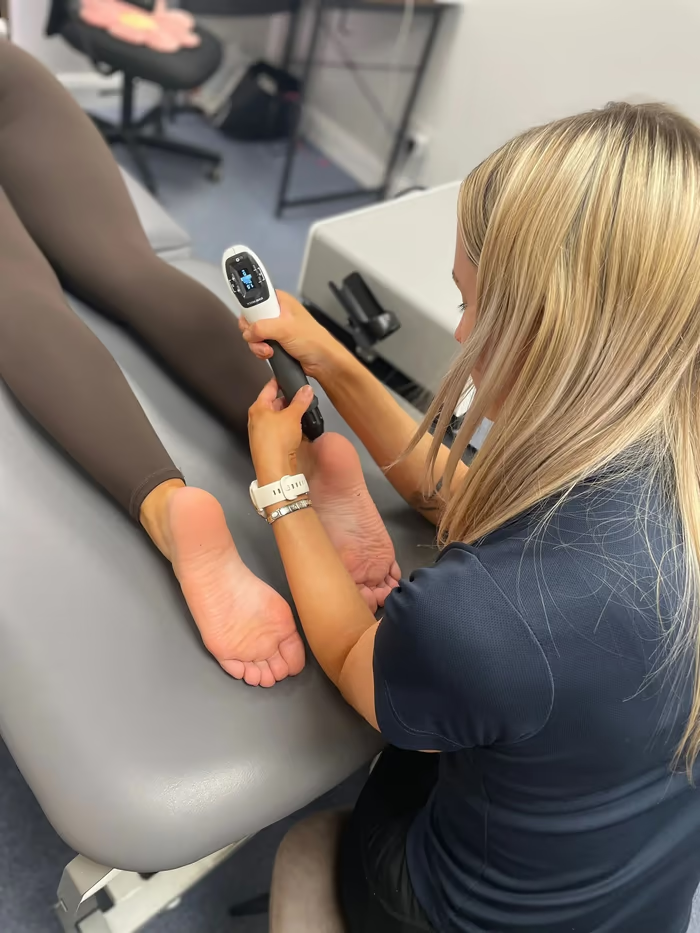
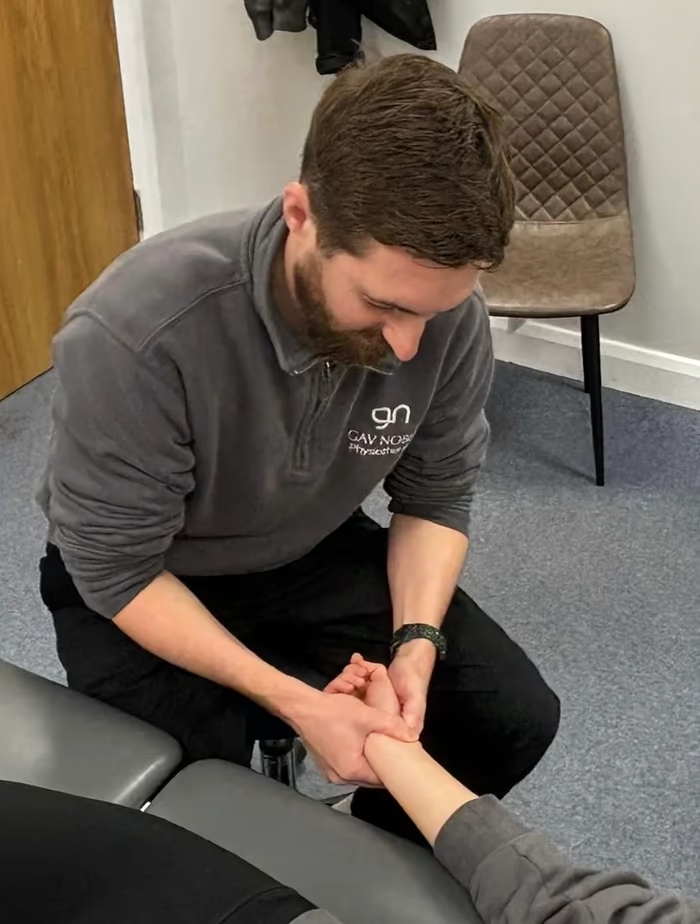
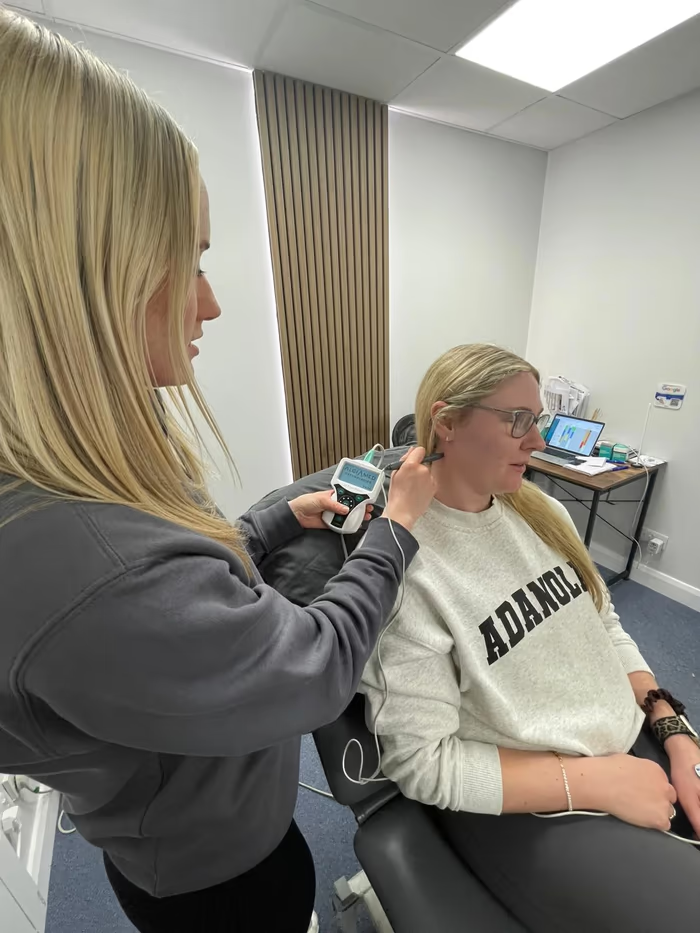
Diabetic Neuropathy being assessed at Gav Noble Physiotherapy in Lisburn

Diabetic neuropathy is nerve damage associated with diabetes. It most commonly affects the feet and legs, although nerves controlling the hands, digestion, bladder and other body functions may also be affected.

Persistently high blood glucose levels can damage nerves and the small blood vessels that supply them. Diabetes is the most common cause of peripheral neuropathy in the UK.

Book an Appointment — opens in a new tab
What to Look For

Common Symptoms

Symptoms often begin gradually and may affect both feet.

They can include:

  • Burning, stabbing or shooting pain
  • Pins and needles
  • Numbness or reduced sensation
  • Increased sensitivity to light touch
  • Muscle weakness
  • Poor balance or coordination
  • Difficulty feeling heat, cold or injury

Some people experience significant discomfort, while others notice very little pain because sensation has been reduced.

Foot Care

Why Is Foot Care Important?

Reduced sensation can make it difficult to notice cuts, blisters or pressure from footwear. Continuing to walk on an unnoticed injury can increase the risk of infection or a diabetic foot ulcer.

People with diabetes should:

  • Check their feet every day
  • Wear correctly fitting footwear
  • Avoid walking barefoot
  • Report wounds, redness or swelling promptly
  • Attend their annual diabetes foot examination
  • Manage blood glucose, blood pressure and cholesterol

Regular foot checks can identify problems before they become more serious.

How Can Physiotherapy Help?

Physiotherapy cannot reverse diabetes, but it can help manage some of the physical effects of diabetic neuropathy.

At Gav Noble Physiotherapy, your assessment may include your strength, balance, walking, sensation and ability to complete everyday activities safely.

Treatment may include:

  • Balance and coordination exercises
  • Leg and foot strengthening
  • Walking and mobility training
  • Falls-prevention advice
  • Guidance on suitable activity
  • Education about protecting your feet
  • Non-invasive neuromodulation where clinically appropriate

Treatment should complement, not replace, regular care from your GP, diabetes team or podiatrist.


Common Questions

Diabetic Neuropathy FAQs

Can diabetic neuropathy be cured?

Established nerve damage may not be fully reversible. However, good diabetes management may help prevent or slow further damage, while treatment can reduce symptoms and improve function.

Is exercise safe?

Exercise is usually beneficial, but the type and intensity should reflect your balance, circulation, sensation and foot health.

Why does neuropathy affect balance?

Reduced sensation makes it harder for the brain to detect the position of the feet, which can affect coordination and stability.

When should I seek urgent advice?

Contact your diabetes or medical team promptly if you notice a new wound, blister, swelling, redness, heat, colour change or discharge from the foot, even if it is not painful.

Watch

Diabetic Neuropathy Exercises and Advice