Condition

What Is a Frozen Shoulder?

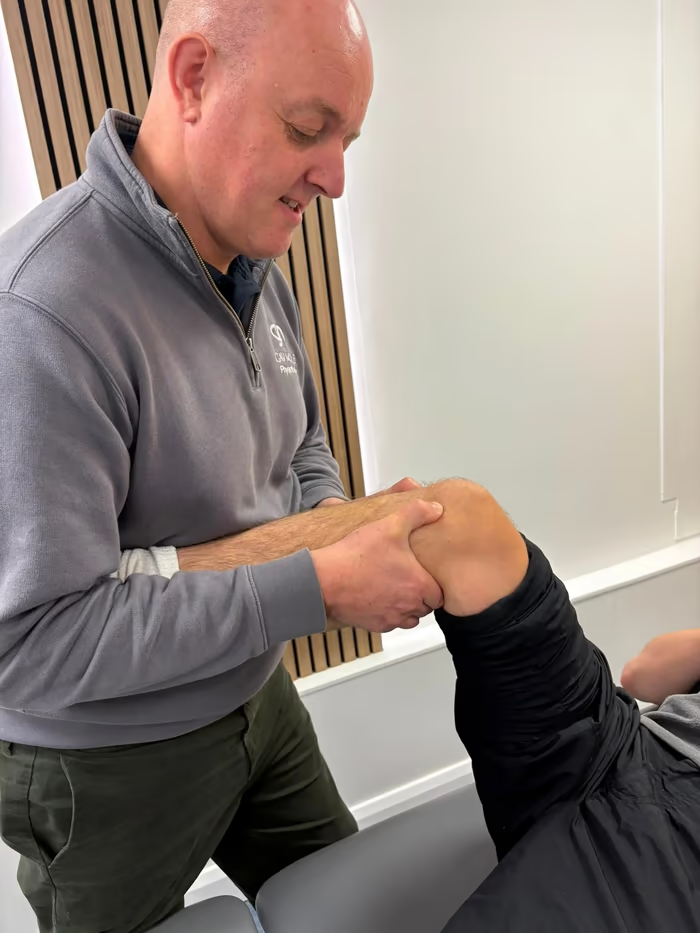
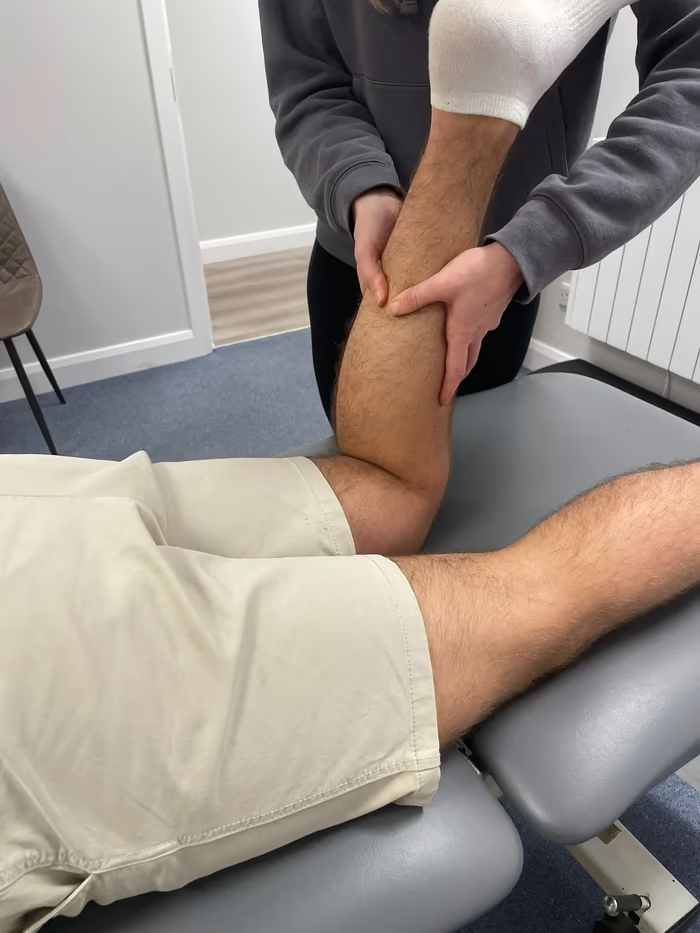
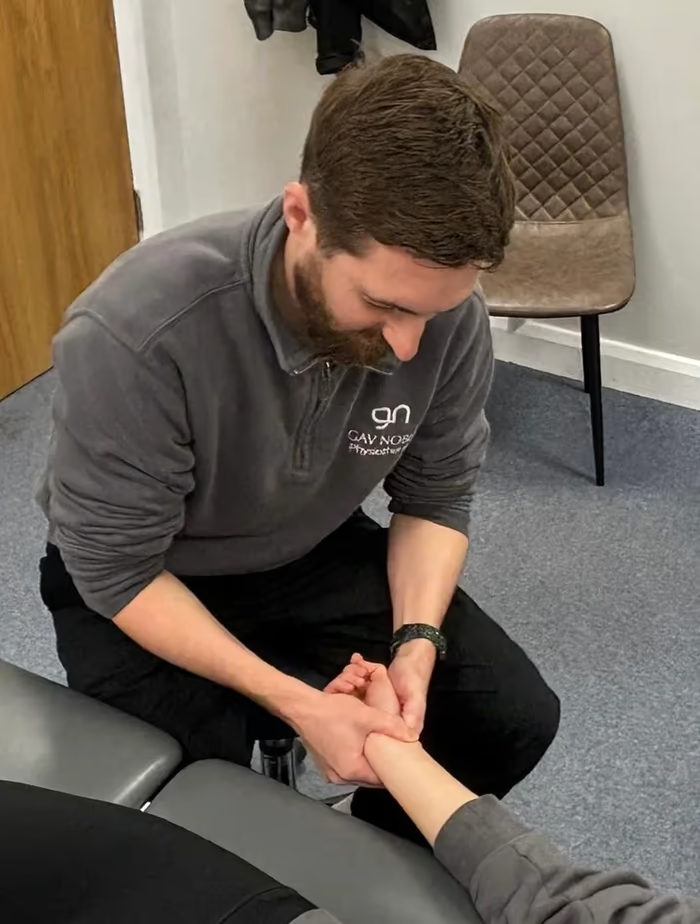
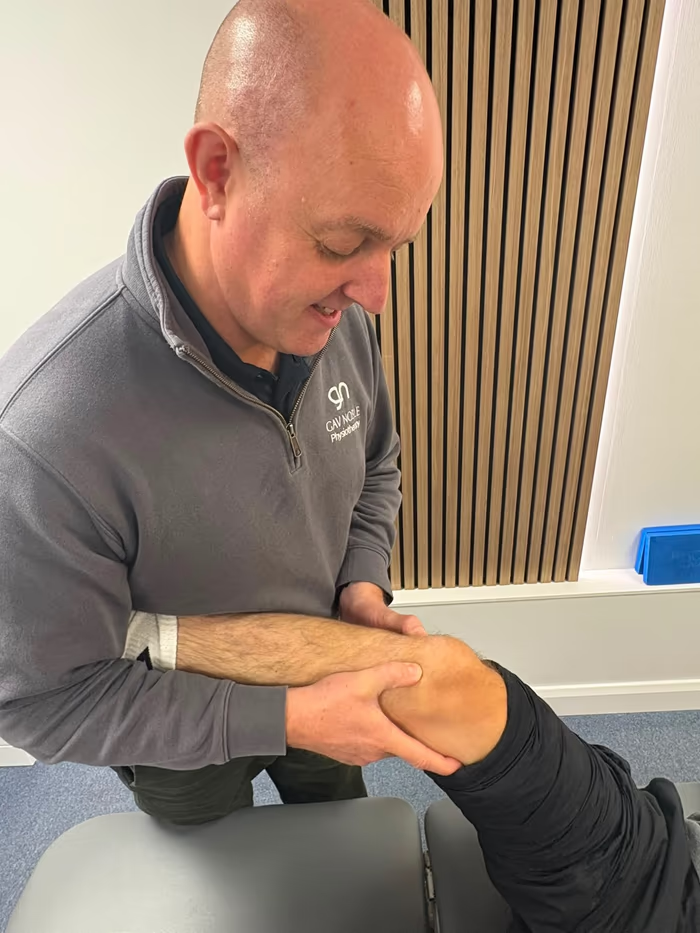
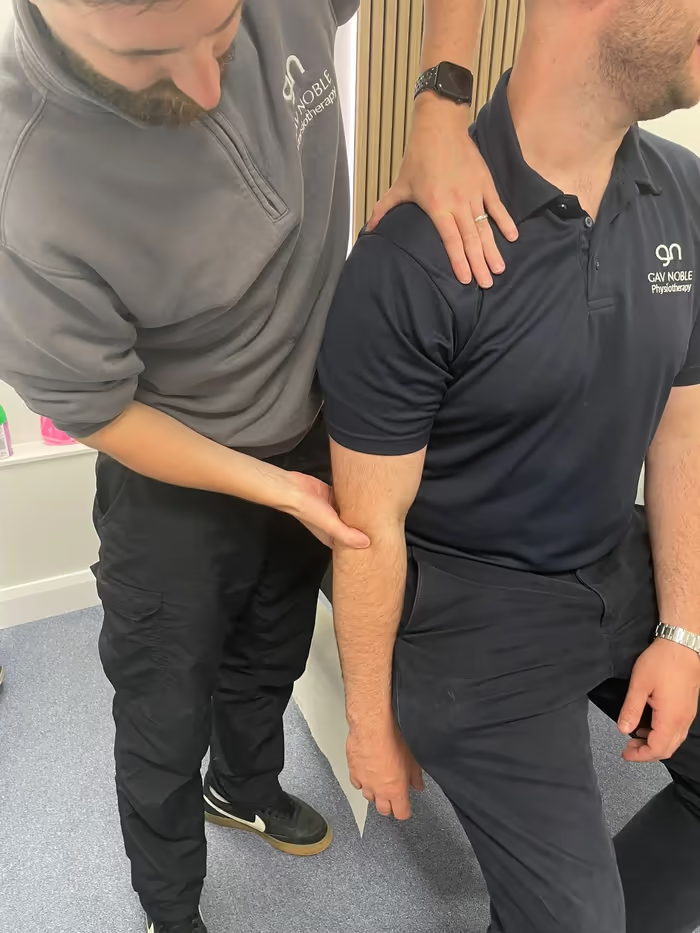
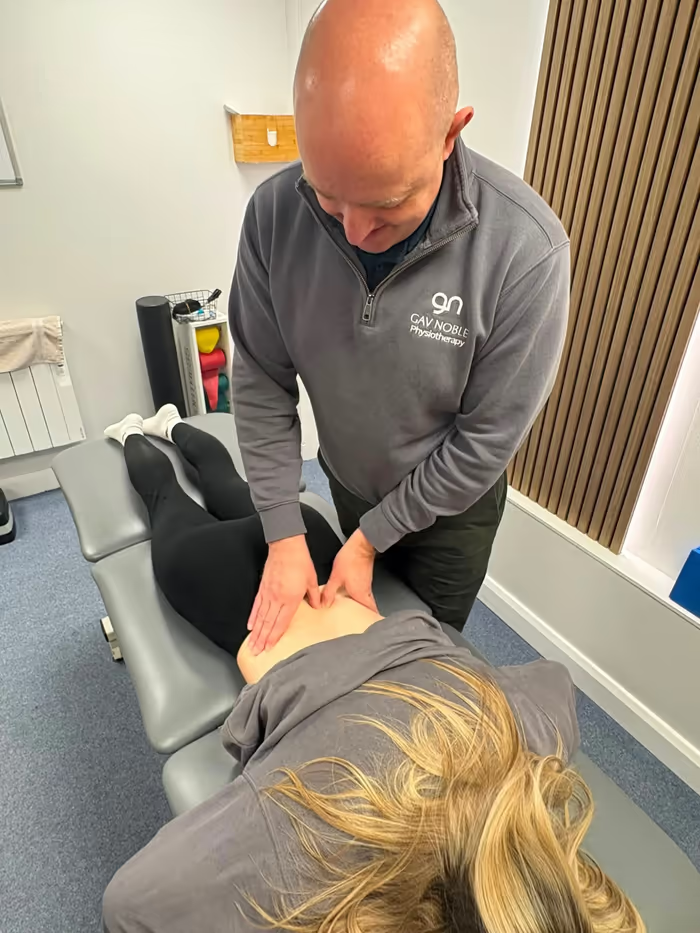
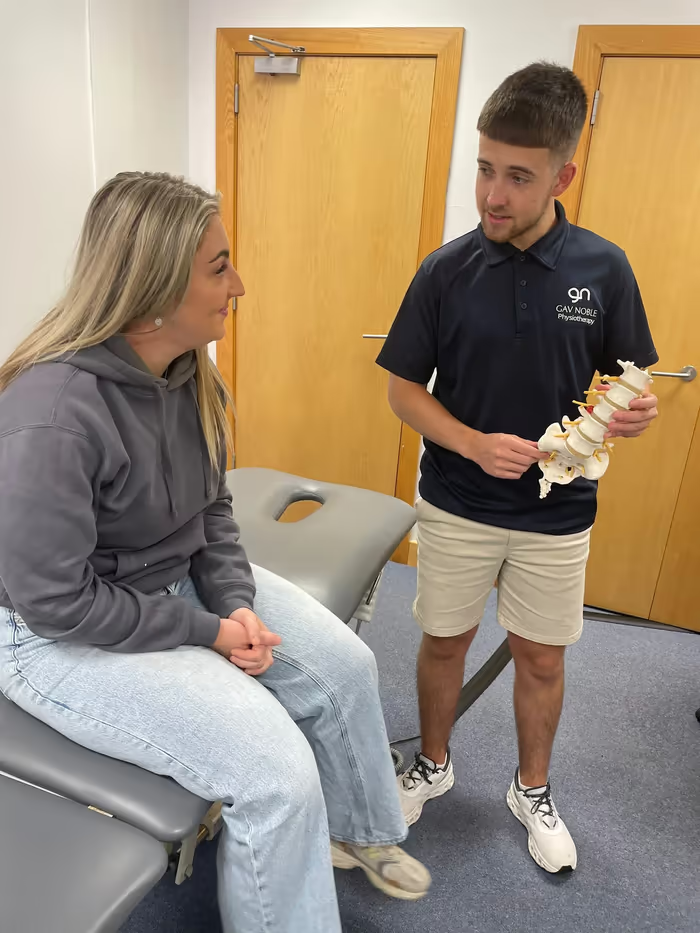
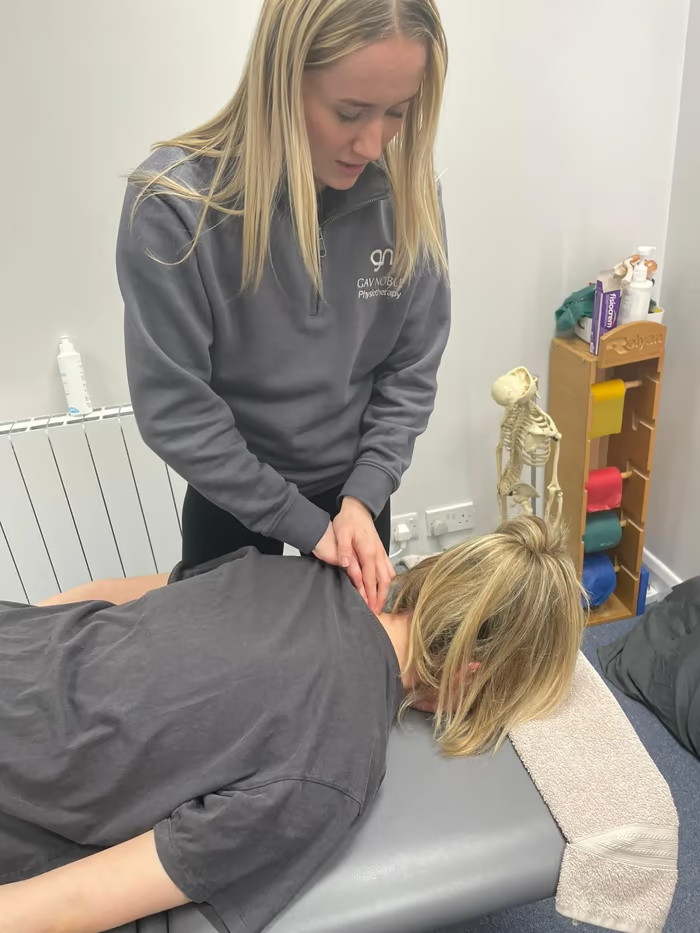
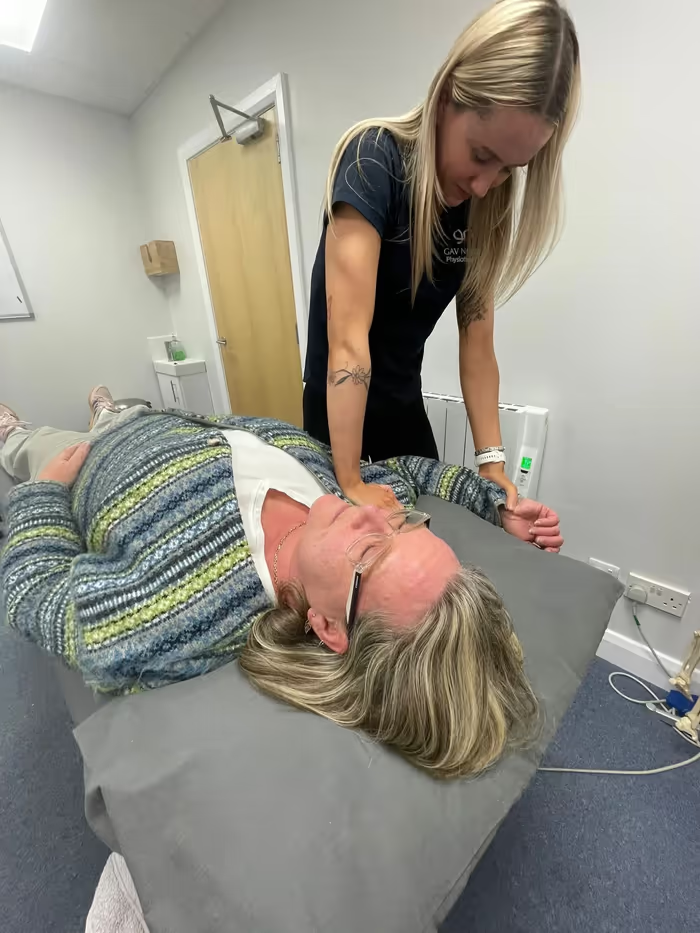
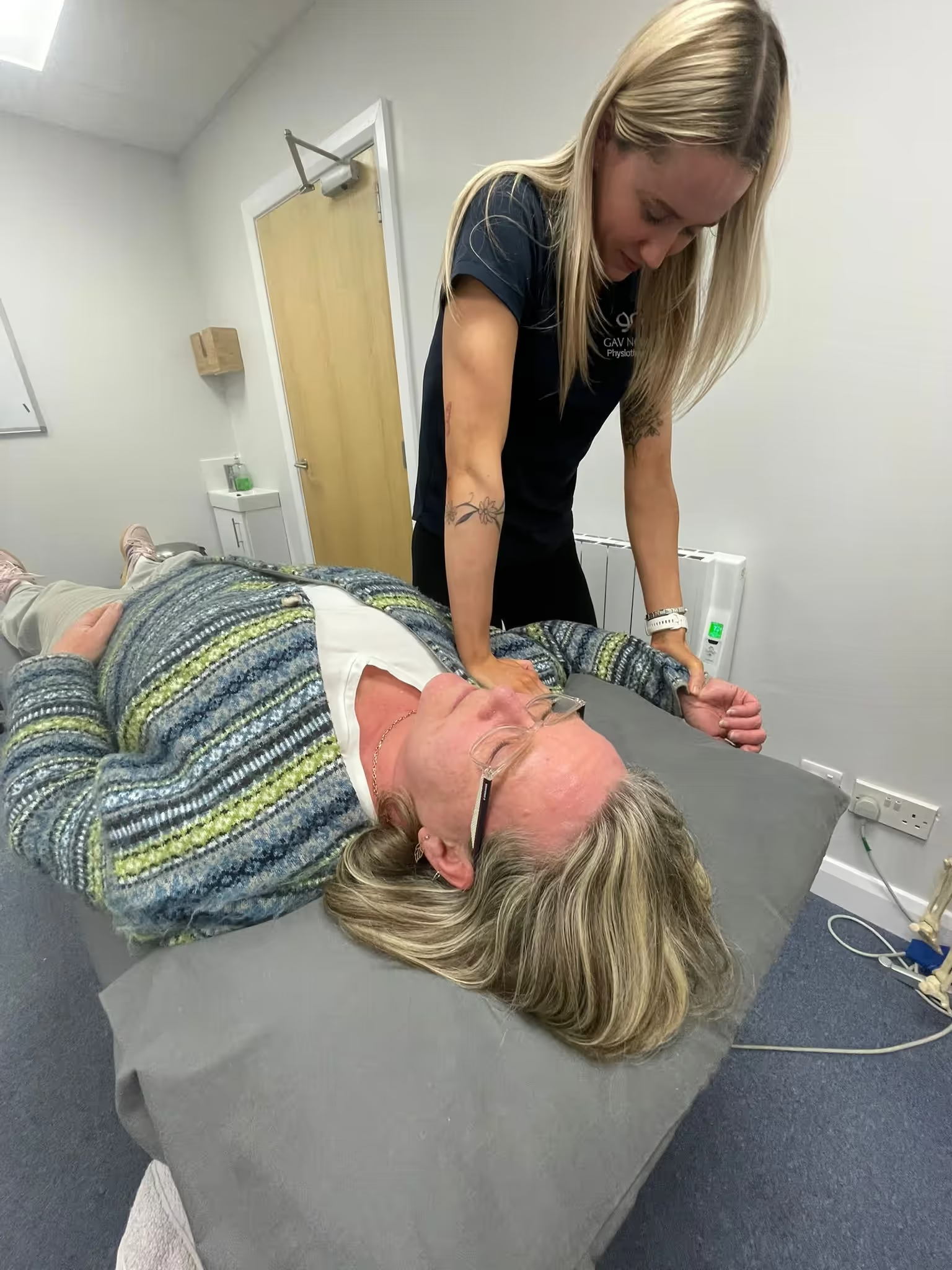
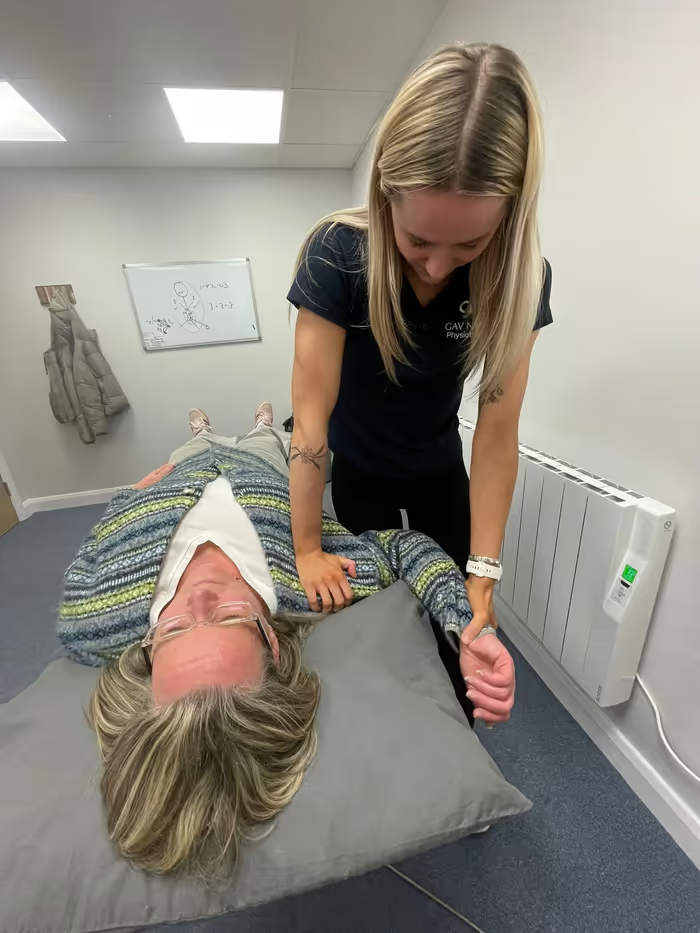
Frozen Shoulder being assessed at Gav Noble Physiotherapy in Lisburn

Frozen shoulder, also known as adhesive capsulitis, is a condition that causes increasing pain and stiffness in the shoulder joint.

The tissue surrounding the joint becomes irritated, thickened and tight. This gradually restricts movement, making everyday tasks such as dressing, reaching into cupboards or fastening a seat belt difficult.

Frozen shoulder can last for months and, in some cases, several years. However, pain and movement usually improve over time.

Book an Appointment — opens in a new tab
What to Look For

Common Symptoms

The two main symptoms are pain and stiffness.

You may notice:

  • Pain that is worse at night
  • Difficulty lying on the affected shoulder
  • Reduced ability to lift your arm
  • Difficulty reaching behind your back
  • Pain when dressing or washing your hair
  • Sudden sharp pain with unexpected movements
  • Gradual loss of shoulder movement

Both active movement and movement assisted by someone else are usually restricted. This helps distinguish frozen shoulder from some tendon-related shoulder problems.

Causes

What Causes Frozen Shoulder?

In many cases, there is no obvious cause.

Frozen shoulder may also develop:

  • After a shoulder injury
  • Following surgery
  • After the arm has been kept still
  • In people with diabetes
  • In people with some thyroid conditions
  • After a stroke or other condition affecting arm movement

It is most commonly seen in people between 40 and 60 years of age.

How Can Physiotherapy Help?

At Gav Noble Physiotherapy, we assess your shoulder movement, strength and function. We also check your neck and surrounding joints to make sure another condition is not causing your symptoms.

Treatment may include:

  • Advice on managing painful activities
  • Gentle mobility exercises
  • A personalised home exercise programme
  • Hands-on treatment where appropriate
  • Progressive strengthening
  • Guidance on sleeping positions
  • Support returning to work, exercise and daily activities

Treatment should reflect the stage of the condition. During the painful stage, aggressive stretching can sometimes aggravate symptoms. As pain settles, exercises can gradually focus more on restoring movement and strength.

NICE recommends considering physiotherapy early in the management of frozen shoulder.
Common Questions

Frozen Shoulder FAQs

Will frozen shoulder get better?

Yes. Most people gradually recover, although progress can be slow.

Do I need an MRI scan?

Usually not. Frozen shoulder can often be diagnosed through your symptoms and physical examination.

Should I force my shoulder to move?

No. Exercises should be gentle and matched to the stage of your condition.

Can an injection help?

A corticosteroid injection may reduce pain for some people, particularly during the early painful stage. This should be discussed with an appropriate healthcare professional.

When should I seek medical advice?

Seek prompt advice after a significant injury, if the shoulder is badly swollen or deformed, or if you develop fever, unexplained illness, numbness or sudden severe weakness.

Watch

Frozen Shoulder Exercises and Advice