Condition

What Are Shin Splints?

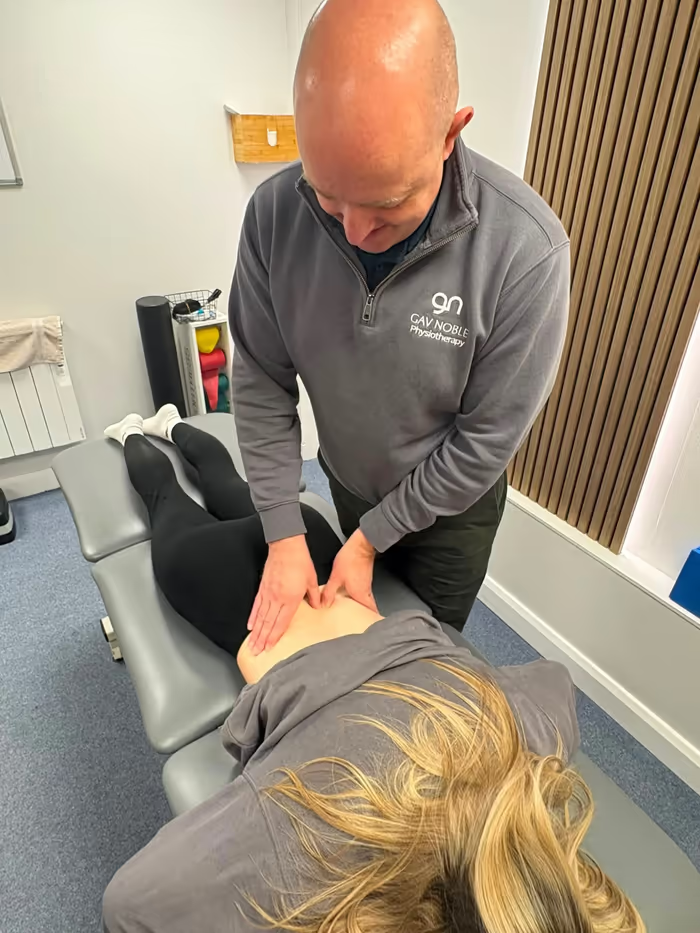
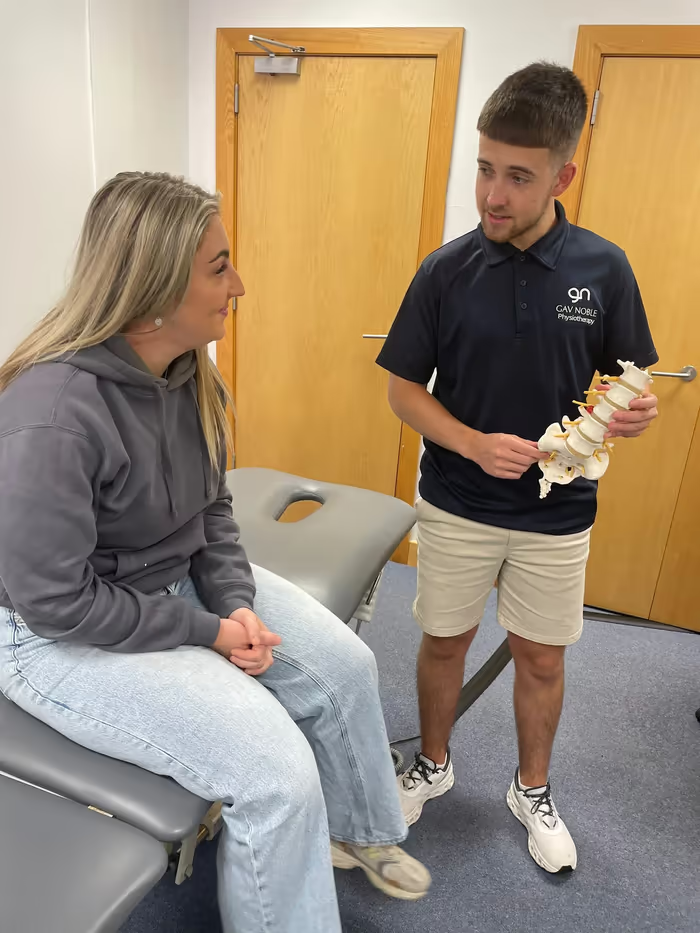
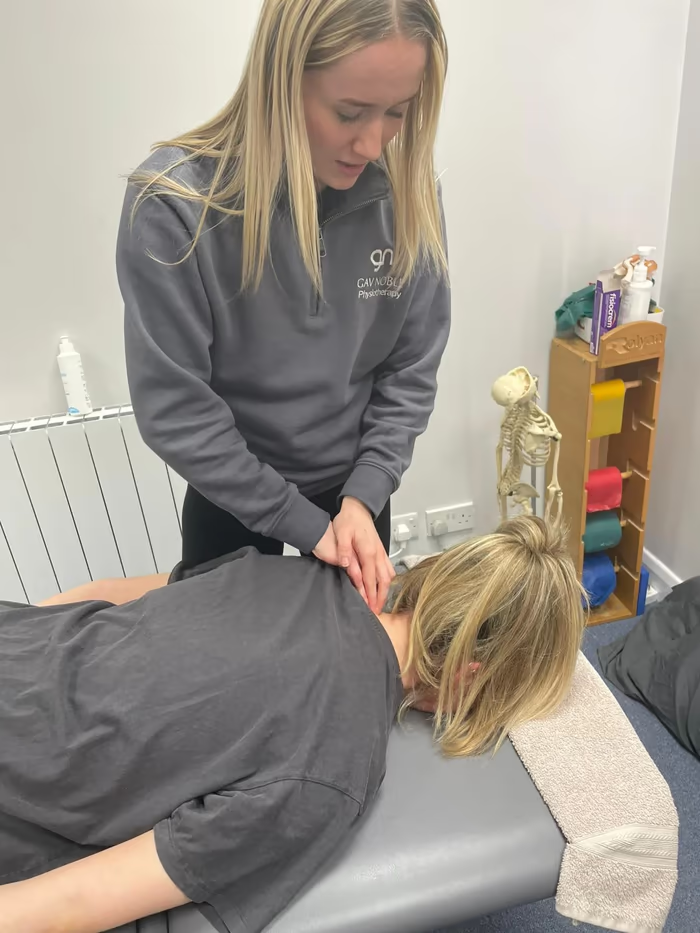
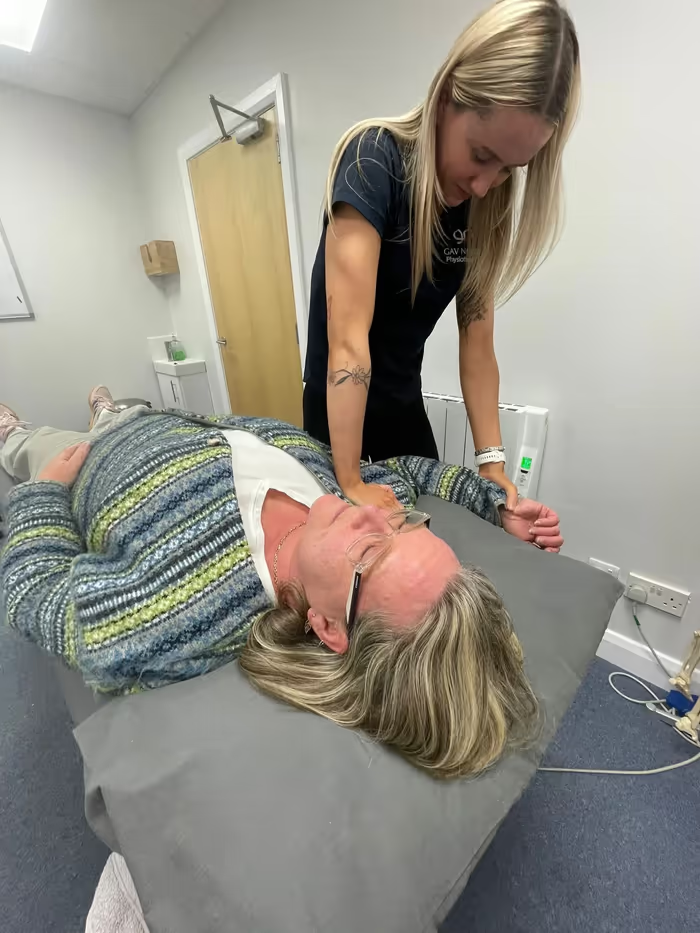
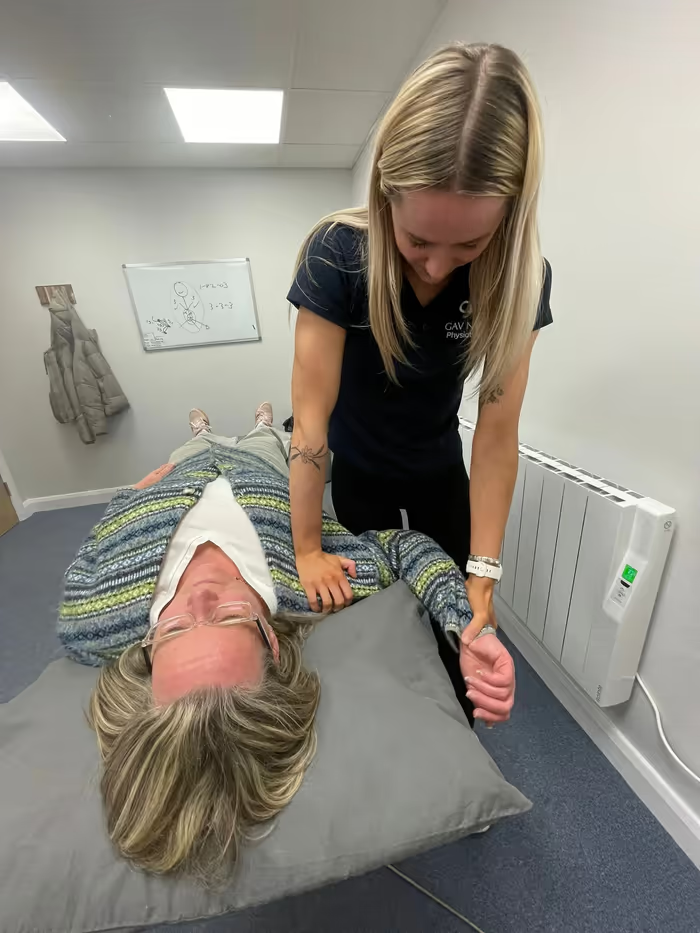
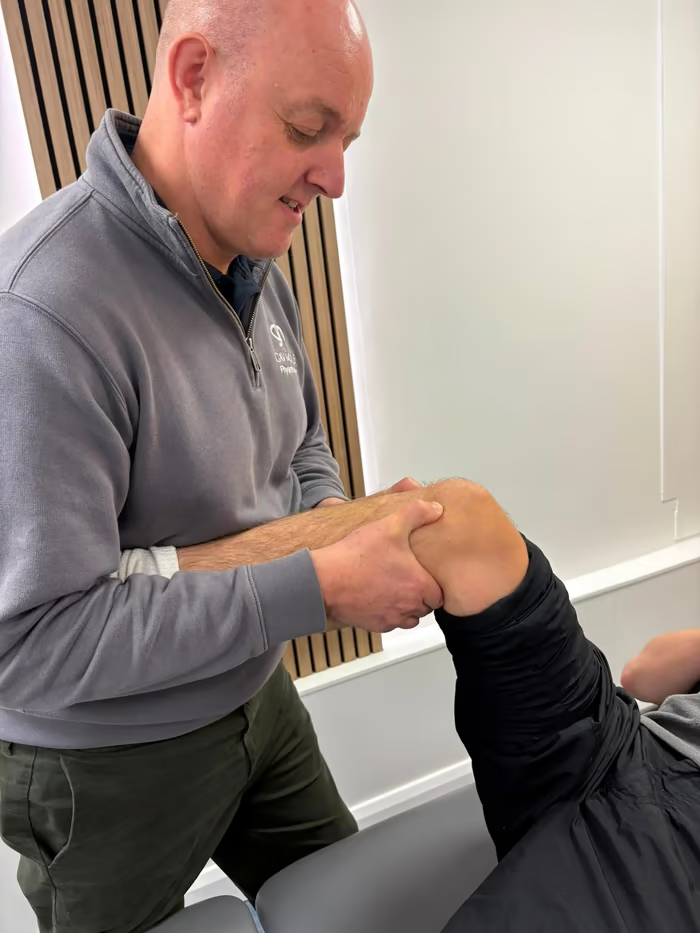
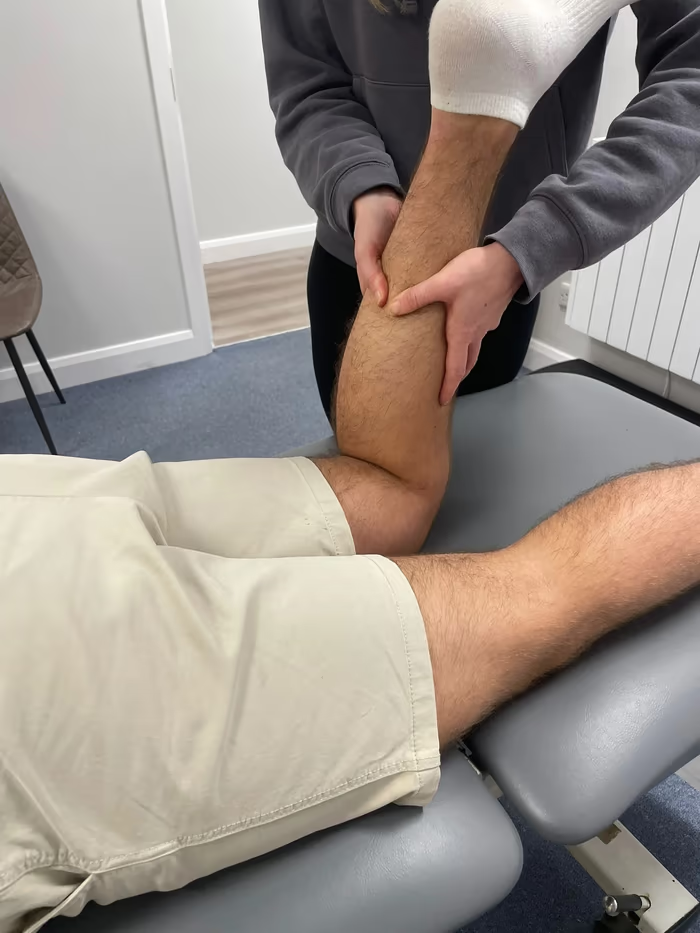
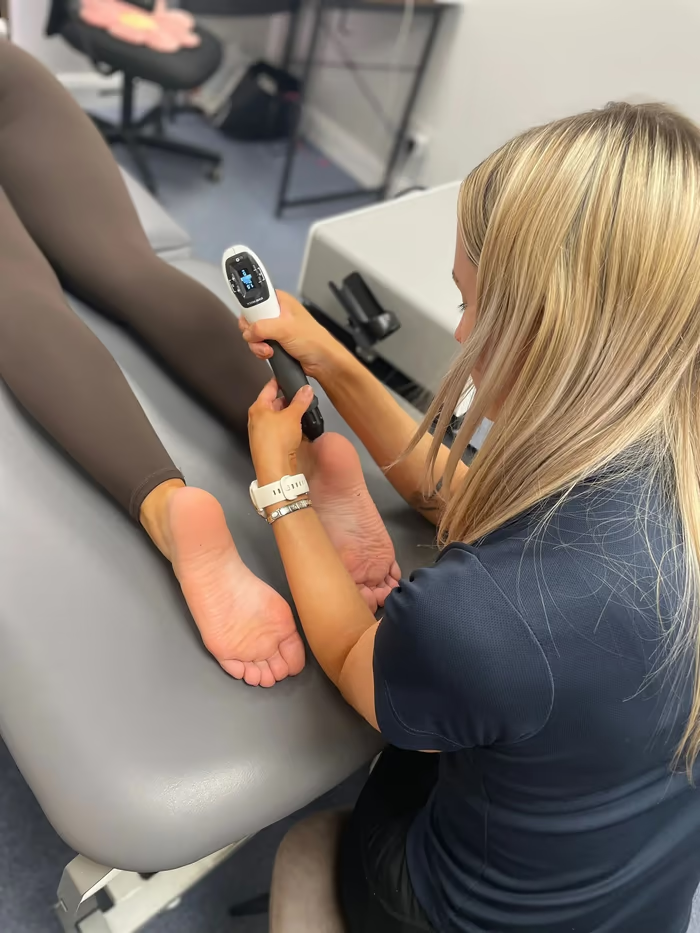
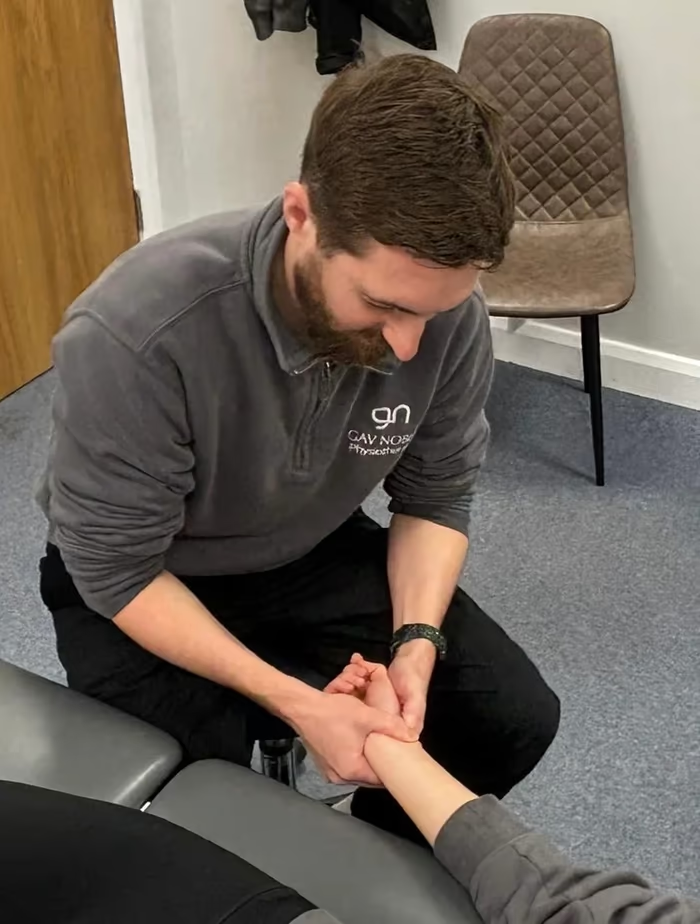
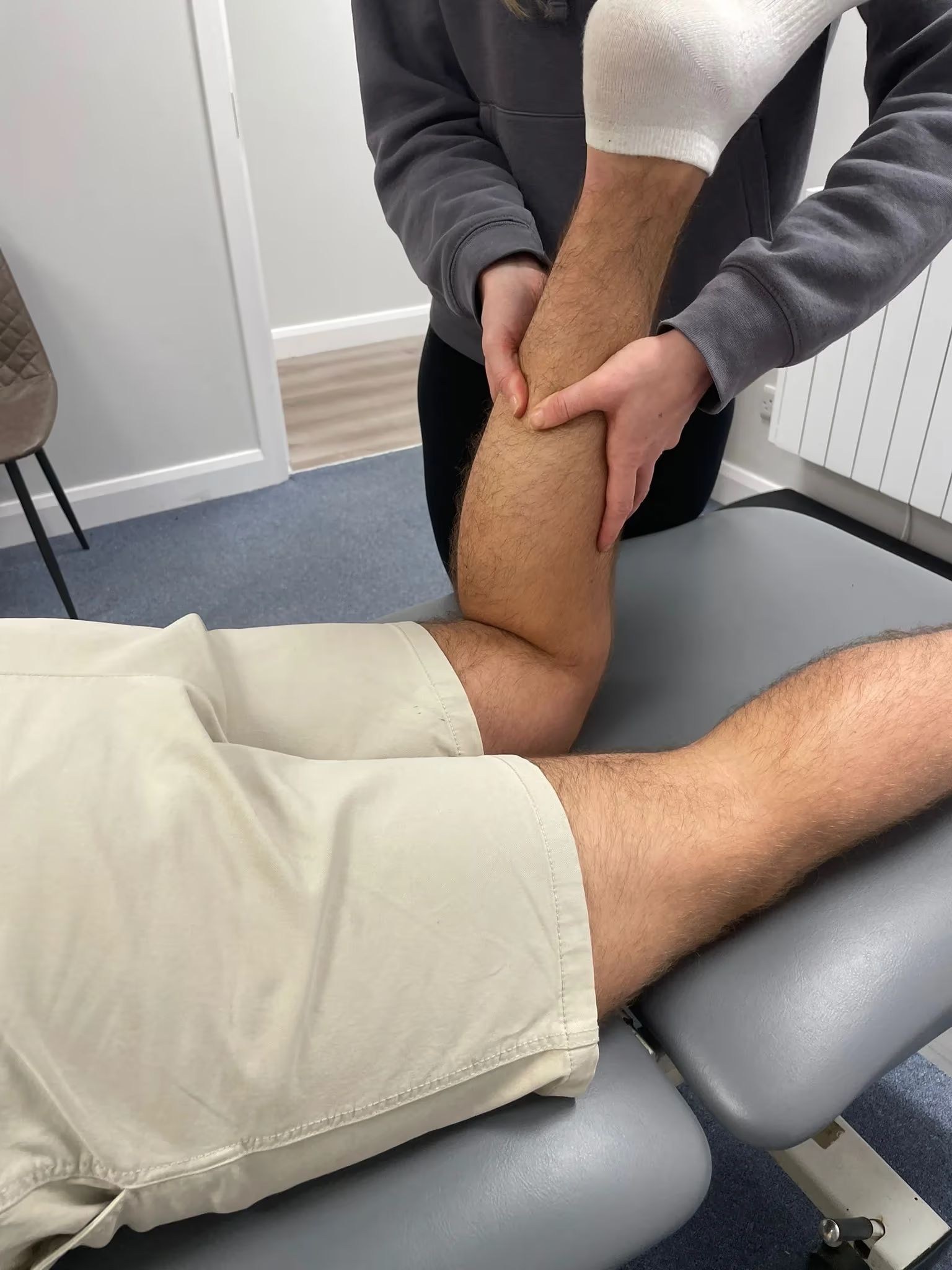
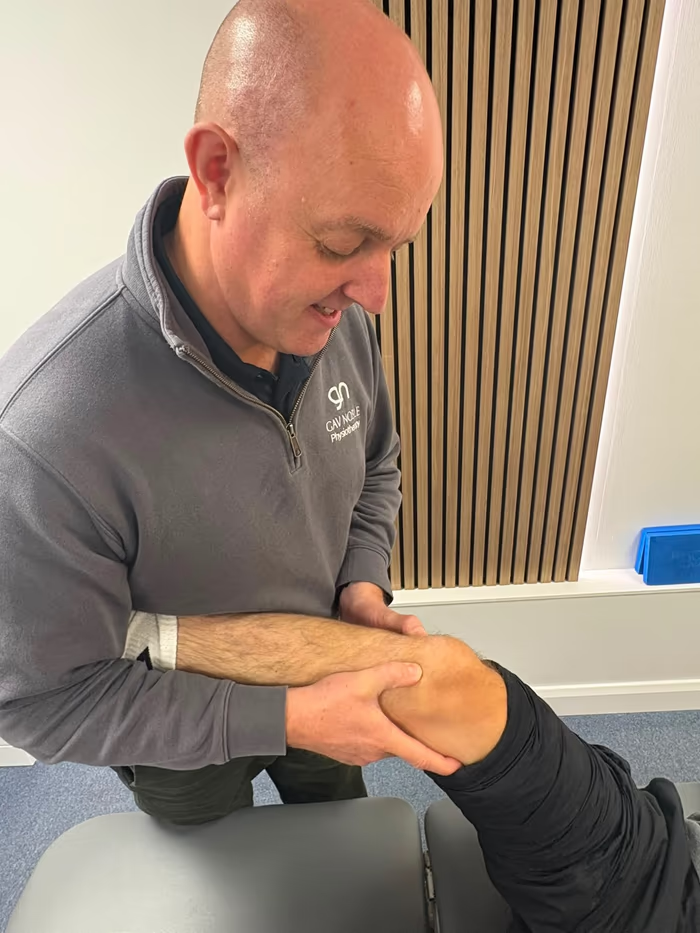
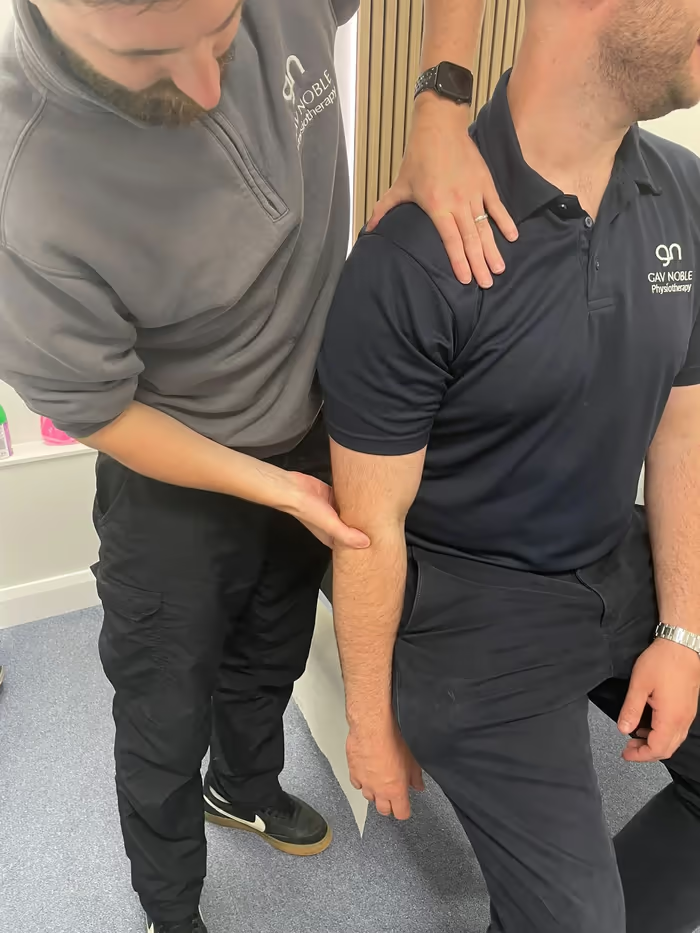
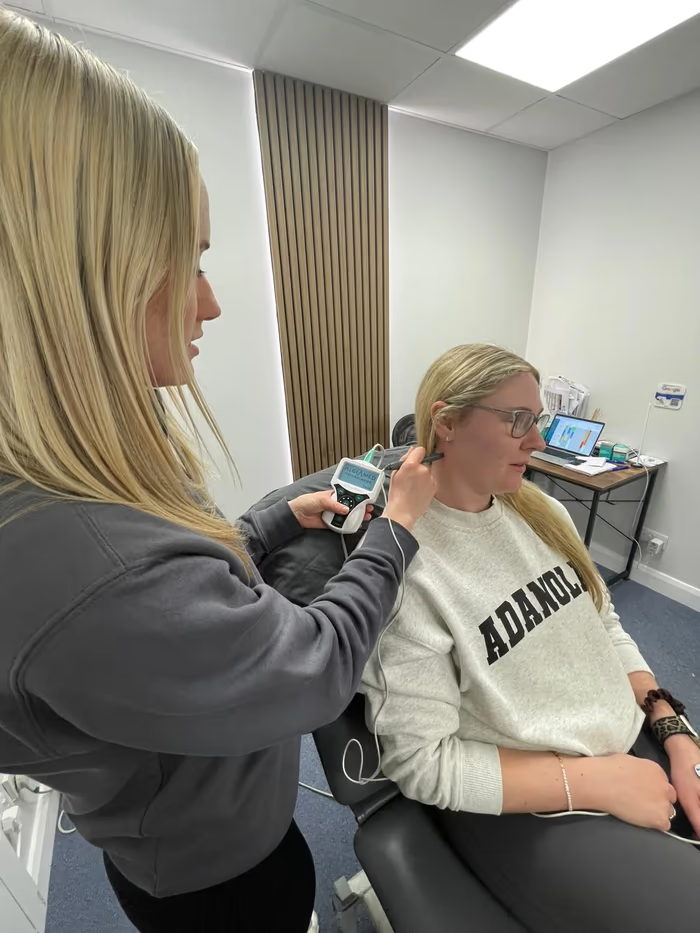
Shin Splints being assessed at Gav Noble Physiotherapy in Lisburn

Shin splints are a common cause of pain along the front or inner edge of the shinbone. The medical term is medial tibial stress syndrome.

The condition usually develops when the muscles, tendons and bone of the lower leg are exposed to more repeated impact than they are currently prepared to tolerate.

Shin splints are particularly common in runners, walkers and people who have recently increased their exercise levels.

Book an Appointment — opens in a new tab
What to Look For

Common Symptoms

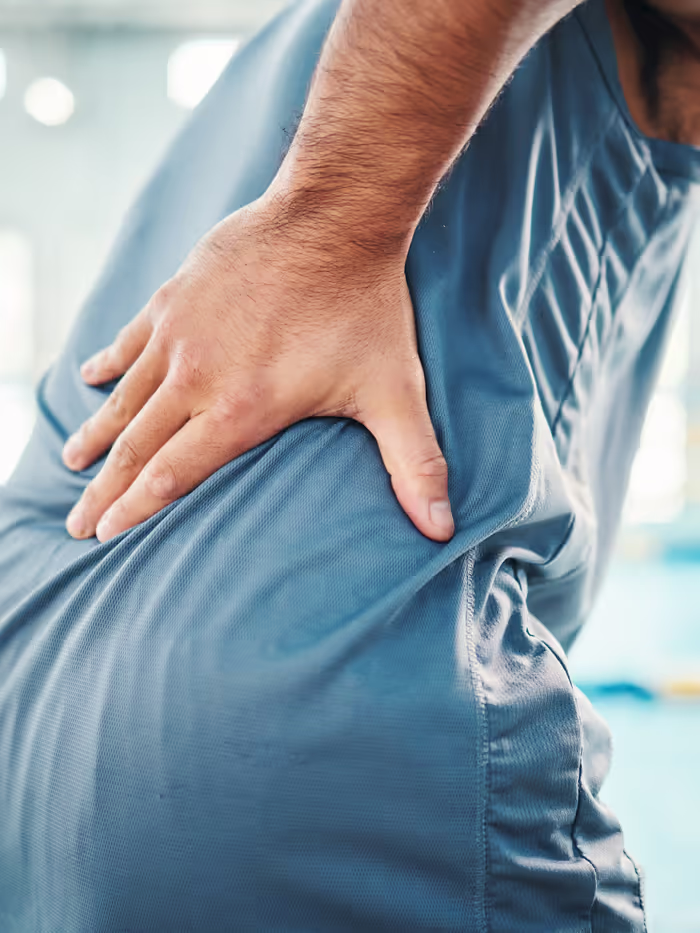
Pain usually develops during or after weight-bearing exercise.

Symptoms may include:

  • An aching pain along the shin
  • Tenderness over a broad area
  • Pain when running, jumping or walking quickly
  • Symptoms that improve with rest
  • Mild swelling
  • Tightness in the calf or lower leg
  • Pain affecting one or both shins

Shin splints is described as exercise-related pain and tenderness along the shin.

Causes

What Causes Shin Splints?

Shin splints often appear after a sudden change in training.

Contributing factors may include:

  • Increasing running distance too quickly
  • Adding hills, speed work or harder surfaces
  • Returning to exercise after a break
  • Worn or unsuitable footwear
  • Reduced calf strength
  • Limited ankle movement
  • Poor recovery between training sessions
  • Changes in running or walking technique

In our experience, the problem is rarely caused by one factor alone. Successful treatment usually involves adjusting activity while gradually improving the leg’s ability to manage load.

How Can Physiotherapy Help?

At Gav Noble Physiotherapy, we assess your symptoms, walking or running pattern, ankle mobility and lower-leg strength.

Treatment may include:

  • Advice on modifying training
  • Calf and lower-leg strengthening
  • Foot and ankle mobility exercises
  • Balance and control exercises
  • Running assessment where appropriate
  • Footwear guidance
  • Hands-on treatment when clinically suitable
  • A gradual return-to-running programme

The aim is not simply to rest until the pain disappears. Rehabilitation should build the strength and capacity needed to reduce the risk of symptoms returning.
Running

Should I Stop Running?

  1. Temporarily reducing or stopping painful running may be necessary. Low-impact activities such as cycling or swimming may help maintain fitness while symptoms settle.

Common Questions

Shin Splints FAQs

How long do shin splints take to improve?

Many cases improve within several weeks, although recovery may take longer when symptoms have been ignored or training has continued.

Can footwear cause shin splints?

Footwear may contribute, particularly if it is worn out or unsuitable, but it is rarely the only cause.

Do I need an X-ray or scan?

Not usually. Imaging may be considered if a stress fracture or another condition is suspected.

When should I seek medical advice?

Arrange an assessment if pain is severe, localised to one small spot, present at rest, associated with significant swelling or not improving after reducing activity.