Clinical Lead Physiotherapist

Chris Noble

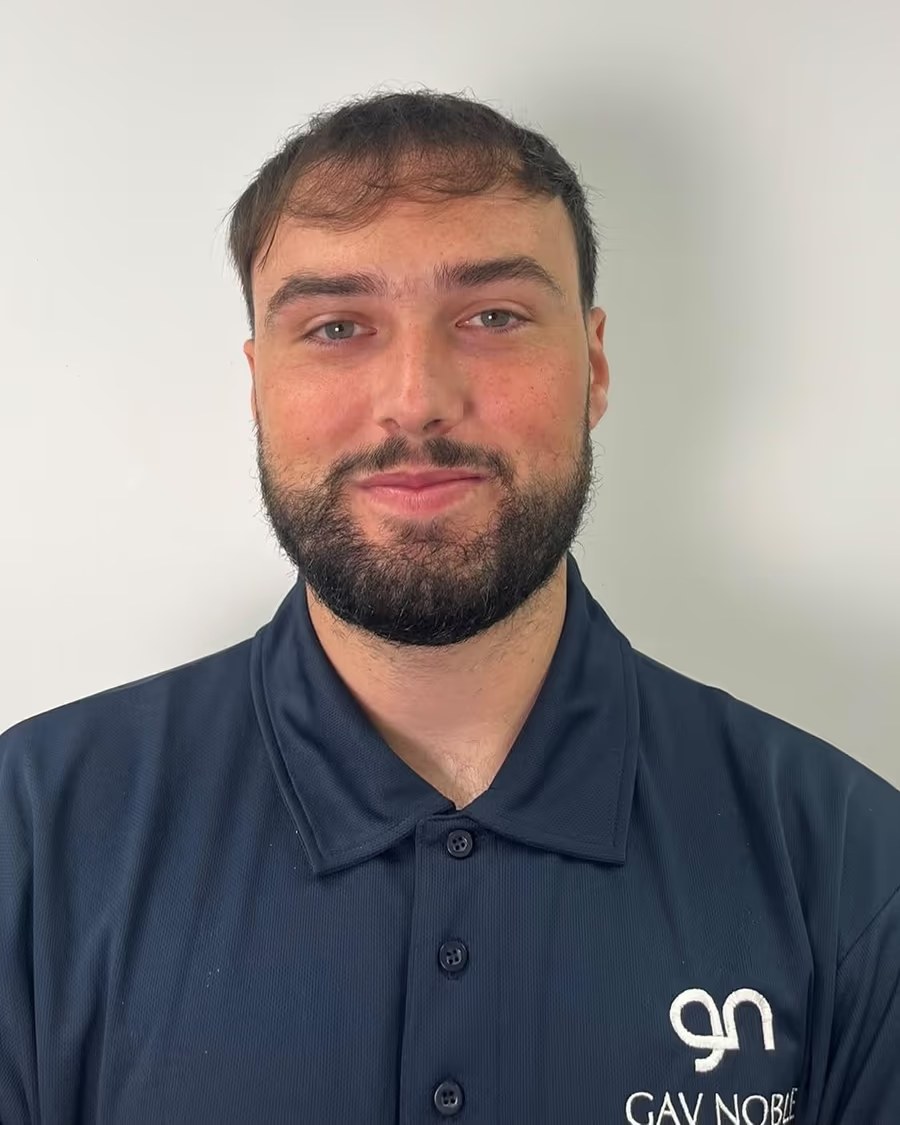
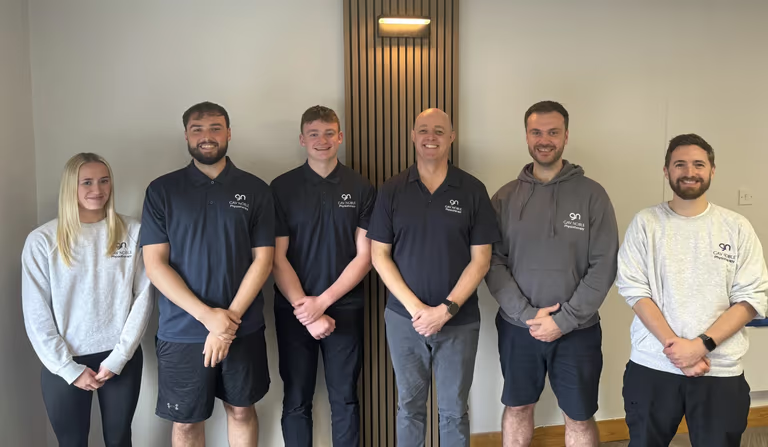
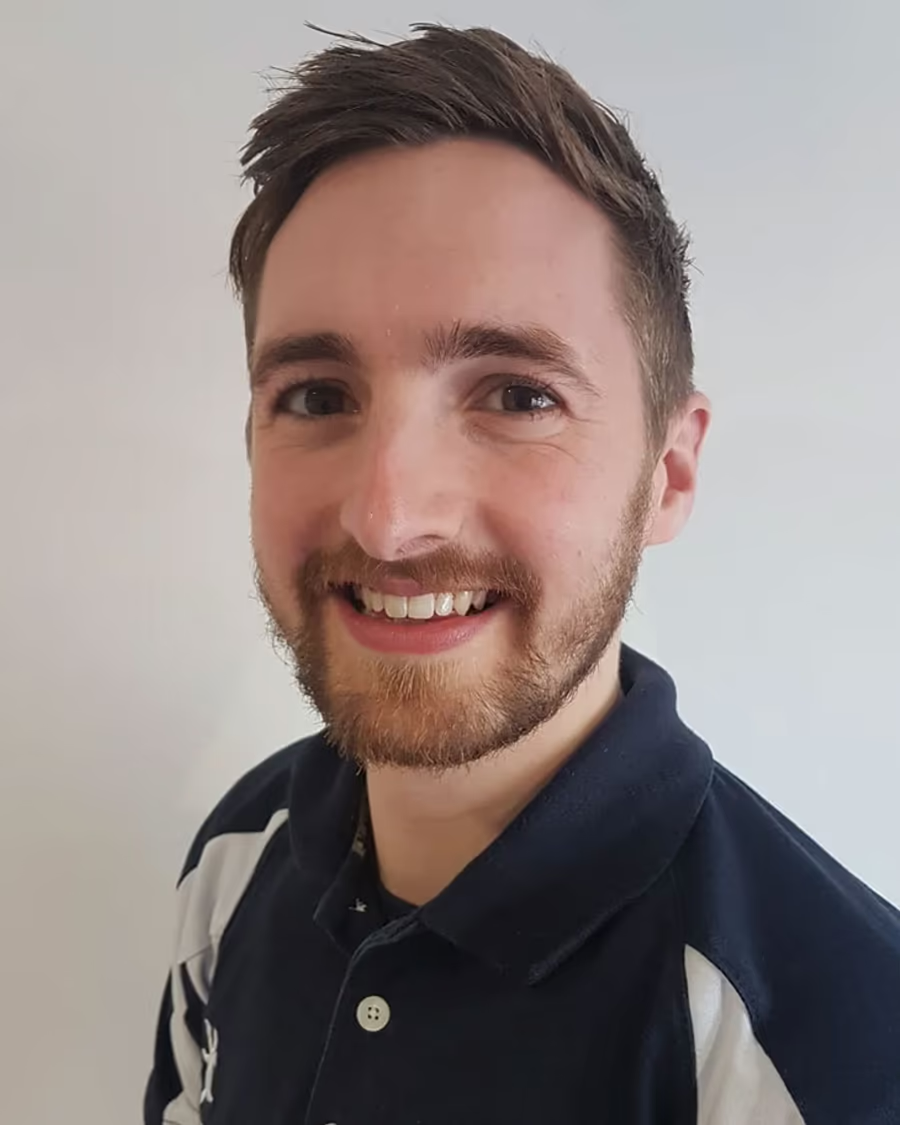
Chris Noble, Clinical Lead Physiotherapist at Gav Noble Physiotherapy

Chris Noble

MSc Physiotherapy

  • CSP101447
  • HCPCPH108362
Quick Facts

A Little More About Chris

Favourite condition to treat
Rotator cuff tendinopathy
Favourite hobby
Watching rugby and football
Tea or coffee
Coffee
Favourite music
Anything acoustic
Favourite food
Lobster
Dream holiday
Bali
Dogs or cats
Dogs
Favourite exercise
Pilates
Favourite book
Alex Ferguson Biography
Favourite movie
Remember the Titans
Best advice I've ever been given
"Movement is medicine."
Favourite thing about working at Gav Noble Physiotherapy
Working alongside a great team that genuinely cares about every patient's outcome while continually striving to provide the highest standard of care.
In Conversation

In Chris Words

Tell us a little about yourself

I'm a Chartered Physiotherapist with a passion for helping people move better, recover from injury and get back to doing what they love. I have over 10 years' experience working in private practice and sport, and alongside my clinic role I am Lead Physiotherapist for Instonians RFC and work closely with RBAI Rugby. Outside of work I'm happiest spending time with my wife Heather, watching rugby or football, travelling, renovating our home or getting outdoors for a walk.
What do you enjoy most about helping patients?

Seeing someone regain confidence after an injury is the best part of my job. Whether it's helping a rugby player return to competition or allowing someone to walk without pain again, knowing you've made a genuine difference to someone's life is incredibly rewarding.

How would your patients describe you?

  • Friendly
  • Calm
  • Approachable
  • Thorough
  • Honest
  • Encouraging
  • Motivating
  • Professional

What is one piece of advice you wish everyone knew about pain or injuries?

Understanding why you're in pain is often the first step towards recovery, and movement is usually one of the most powerful treatments we have.

What's your favourite success story?

Helping athletes return to competitive rugby after serious injuries such as ACL reconstructions is always incredibly rewarding. Equally satisfying is seeing everyday patients regain independence—whether that's returning to work, playing with grandchildren or simply walking without pain.

Outside of work, what do you enjoy doing?

I enjoy spending time with my wife, travelling, watching rugby and football, skiing, home renovation projects and keeping active in the gym, Padel and 5 aside football.

Favourite way to stay active?

Padel and 5 aside football.

What's something people would be surprised to know about you?

I've worked pitch-side with rugby teams for many years and have dealt with everything from major traumatic injuries to emergency medical situations during matches.

Physiotherapy Questions

What treatment techniques do you enjoy using?

I enjoy combining hands-on treatment with exercise rehabilitation to achieve long-term results. I regularly use:

  • Exercise Rehabilitation
  • Activation Therapy
  • Strength & Conditioning Principles
  • Manual Therapy
  • Shockwave Therapy
  • Sports Rehabilitation
  • Return-to-Sport Testing
  • Injury Prevention Programmes

What inspired you to become a Physiotherapist?

I've always been passionate about sport and helping people. Physiotherapy gave me the opportunity to combine both by helping individuals recover from injury, improve performance and stay active throughout life.

What types of conditions do you particularly enjoy treating?

  • Shoulder pain
  • Back and neck pain
  • Chronic Pain
  • Tendinopathies
  • Post-operative rehabilitation
  • Sports injuries
  • Knee injuries (including ACL rehabilitation)

What does a typical appointment with you look like?

Every appointment starts by listening carefully to your story before carrying out a thorough assessment. Together we'll identify the cause of your symptoms, explain what's happening in clear language and create a personalised rehabilitation plan. My goal is not only to reduce your pain but to give you the knowledge and confidence to manage your condition independently.

What areas of physiotherapy are you currently studying?

I'm continually developing my knowledge in sports rehabilitation, return-to-performance testing, strength diagnostics, ACL rehabilitation and evidence-based management of complex musculoskeletal conditions.

Which courses or qualifications are you most proud of?

  • MSc Physiotherapy
  • BSc (Hons) Sport & Exercise Science
  • HCPC Registered Physiotherapist
  • CSP Member
  • IRFU SAFE Rugby Level 2 Pitch-side Emergency Care
  • Years of experience working in elite school and club rugby
  • APPI Pilates level 1, level 2 and level 3.

If someone was nervous about booking physiotherapy, what would you say?

There's absolutely no need to worry. My priority is listening to you and understanding your concerns. We'll work together at your pace, explain everything clearly and build a treatment plan that suits your goals.

What's the biggest myth about physiotherapy?

"Getting older means pain is inevitable." Ageing doesn't automatically mean you'll develop pain. Staying active, maintaining strength and addressing problems early can keep you moving well for many years.

What do you hope every patient feels when they leave your treatment room?

Confident, reassured, understood and optimistic about their recovery.