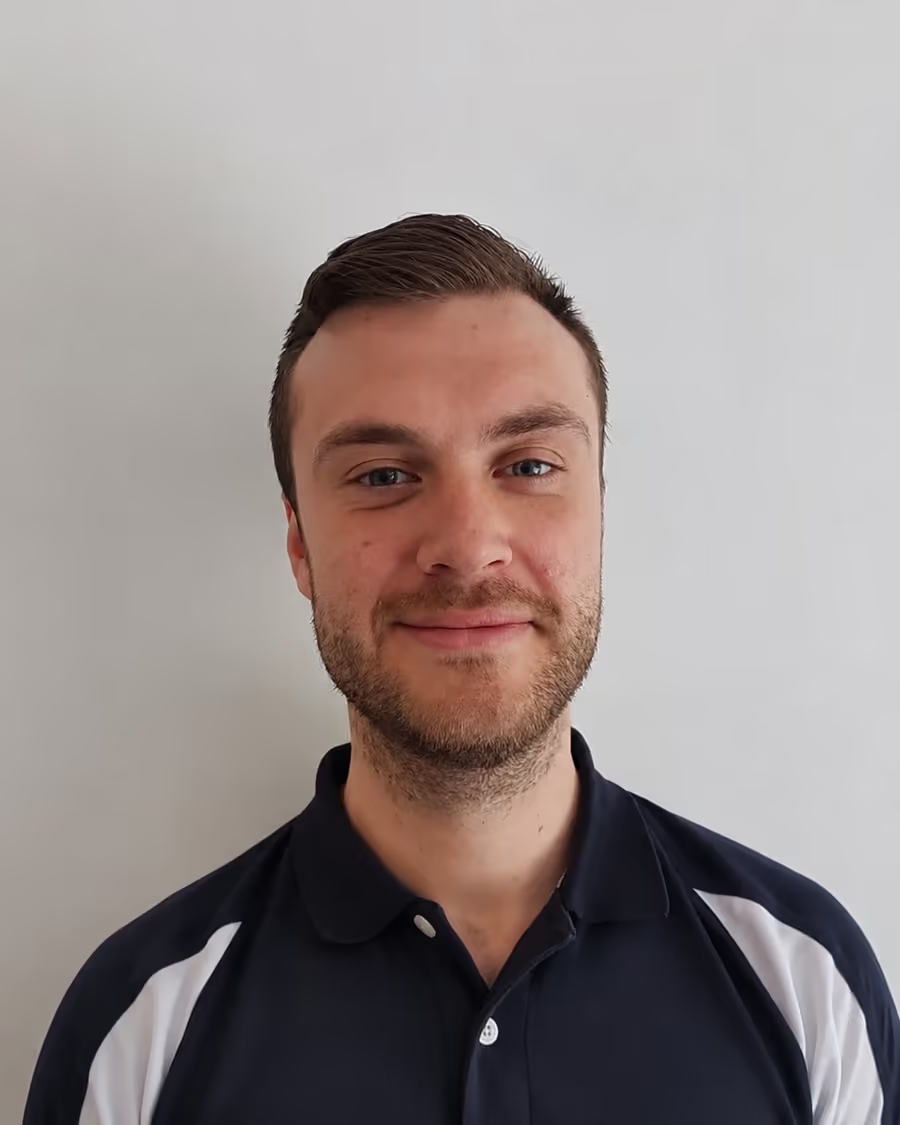
Specialist Physiotherapist

Jonny Weir

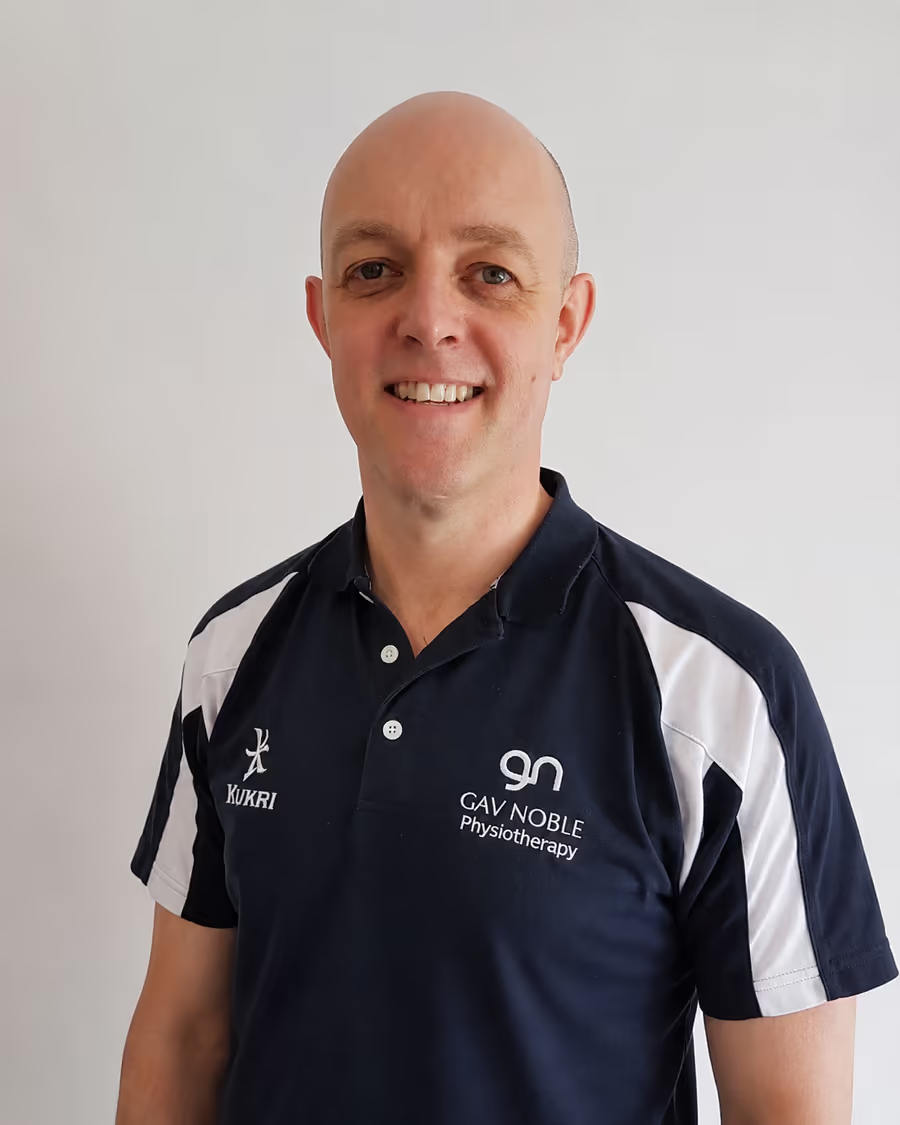
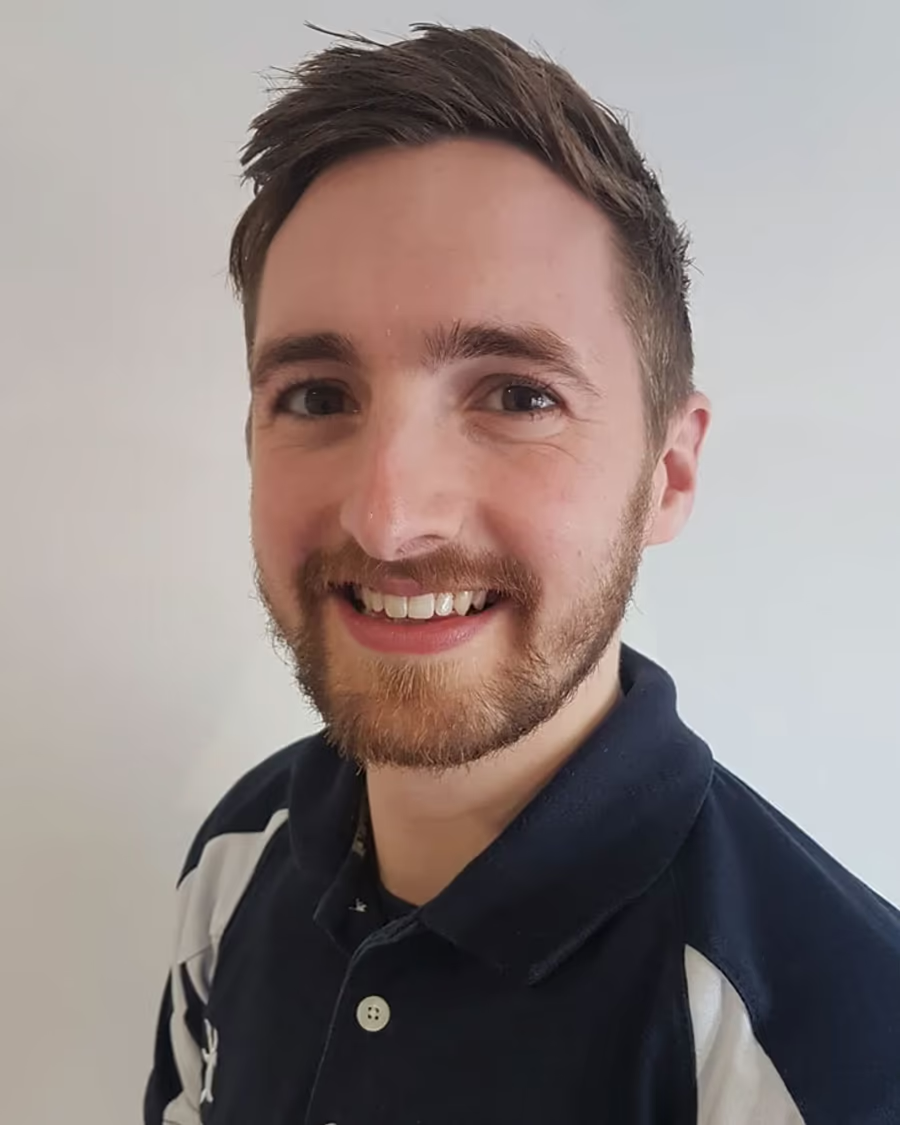
Jonny Weir, Specialist Physiotherapist at Gav Noble Physiotherapy

Jonny Weir

Quick Facts

A Little More About Jonny

Favourite condition to treat
Back pain
Favourite hobby
Playing sports and being outside
Tea or coffee
Tea
Favourite music
All music aside from techno remixes
Favourite food
Steak
Dream holiday
Somewhere hot with good food
Dogs or cats
Dogs
Favourite exercise
Bench press
Favourite book
The Muscular System Manual, 5th Edition: The Skeletal Muscles of the Human Body, by Joseph E. Muscolino
Favourite movie
Prisoners
Best advice I have ever been given
You get out what you put in.
Favourite thing about working at Gav Noble Physiotherapy
The people and clients
In Conversation

In Jonny's Words

Tell us a little about yourself.

I’m a physiotherapist with a strong interest in helping people stay active and get back to doing the things they enjoy. Outside of work, I enjoy keeping active through a range of sports, as well as getting outdoors, travelling and spending time with friends. I’m a sociable person and enjoy meeting new people, having a laugh and making the most of my time both inside and outside of work.
What do you enjoy most about helping patients/clients?

I enjoy seeing people get back to what they enjoy doing and each small improvement they make across their time in physio.

How would your patients/clients describe you?

Hopefully friendly, approachable and easy to talk to. I like to have a bit of a laugh with patients and make them feel comfortable, but primarily I prioritise listening properly, taking their concerns seriously and working with them to help them get better, stronger and back to doing the things they enjoy.

What is one piece of advice you wish everyone knew about pain or injuries?

Being sore doesn’t always mean you’re causing more damage. Understanding what is going on and gradually getting the body used to movement and loading again can make a huge difference.

What's your favourite success story?

It’s difficult to choose, but one patient who stands out to me was a lady who was struggling with sciatica and had to take time away from work and stop playing sport. Through Physiotherapy and gradually building her confidence and activity levels back up, she was able to return to Pilates, get back to her usual daily activities and enjoy being active again. Seeing the difference this made to her confidence and quality of life was really rewarding.

Outside of work, what do you enjoy doing?

Sport is probably the big one. I enjoy rugby, football and keeping active, and I also enjoy getting out and about with friends and keeping busy.

Favourite way to stay active?

Play sports or go to the gym.

What's something people would be surprised to know about you?

I am hypermobile.

Physiotherapy Questions

What treatment techniques do you enjoy using?

I enjoy using a combination of hands-on treatment and exercise-based rehabilitation. This can include soft tissue techniques, joint mobilisations and dry needling where appropriate to help manage pain and improve movement. I particularly enjoy combining these with progressive exercise to help patients build strength, confidence and get back to the activities they enjoy.

What inspired you to become a Physiotherapist?

I’ve always had a big interest in sport and injuries, and after having my own experience with injuries and rehabilitation, Physiotherapy became something I could genuinely see myself doing. I liked the idea of having a career where I could work with people, stay involved with sport and actually help someone get back to doing what matters to them. Having family that practise as physios also helped influence my decision in pursuing the career.

What types of conditions do you particularly enjoy treating?

Back pain, inflammatory conditions and sporting related injuries.

What does a typical appointment with you look like?

I’ll start by having a good chat trying to find out what the person is struggling with, what they want to get back to and how the problem is affecting them. I’ll then assess the relevant area and use that information to work out what’s most likely contributing to their symptoms. From there, we’ll agree a treatment and rehabilitation plan together.

What areas of Physiotherapy are you currently studying?

I’m always learning, whether it’s through workshops, feedback from other physios, reviewing literature or engaging in CPD courses.

Which courses or qualifications are you most proud of?

My Physiotherapy degree. It took a lot of hard work to get through, and I’m proud of how much I’ve developed both academically and clinically along the way.

If someone was nervous about booking Physiotherapy, what would you say to them?

Don’t worry about knowing what’s wrong before you come in — that’s what we’re here for. We’ll listen to what’s happening, assess you and explain what we think is going on. You don’t need to be an expert in your own injury! A lot of what we do involves working as a team with our clients, so we won’t give you any exercises, advice or education that you can’t do.

What's the biggest myth about Physiotherapy?

That you need to be in pain for treatment to work. Rehabilitation shouldn’t be about just pushing through pain. It’s about understanding what your body can currently tolerate and gradually building that capacity.

What do you hope every patient feels when they leave your treatment room?

I want people to leave knowing they’ve been listened to, with an understanding of what’s going on in relation to their symptoms and a clear vision and plan of how we’re going to help.