

Total Knee Replacement – The Frustration and what to do about it!
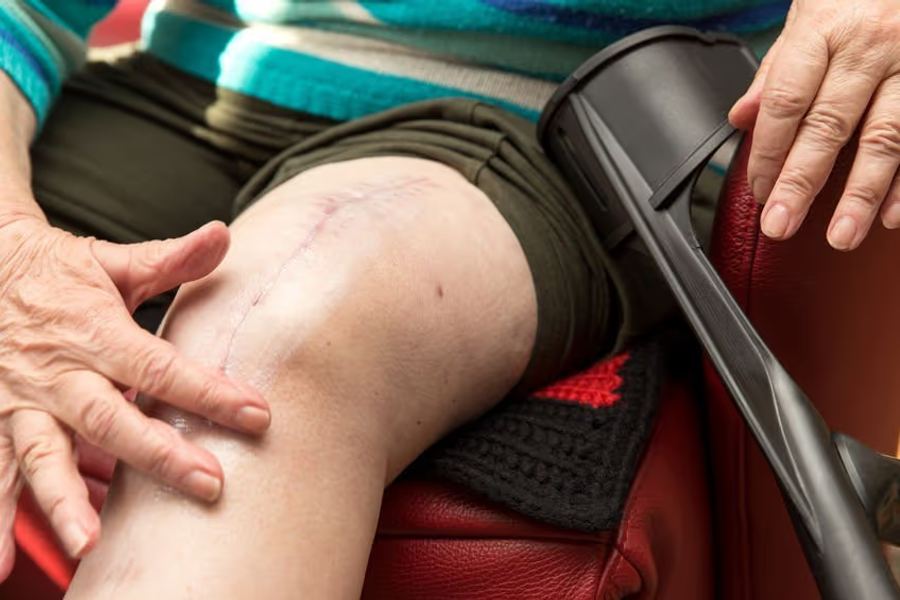
We have had a number of patients visit us recently after surgery for knee replacement.
One of the common things that we are hearing about is, FRUSTRATION!
Frustration with things like-
Continuing pain
Difficulty with walking and not being able to walk as far
Poor range of movement in their knee
Feeling of weakness in their legs
Not being able to do the same things they were doing before surgery
We saw John (68) from Dunmurry this week. He had knee replacement surgery a year and a half ago. This long down the line since surgery he was still complaining of pain in his knee, his mobility wasn’t where he thought it would be at and was just feeling frustrated. The main thing he really wanted to be able to do was to improve his overall general fitness and be able to get out of the house more.
We have now put a plan in place, to do lots of hands on work, and the right progression of rehab to move him forward in his recovery. Long term, we have discussed the possibility of doing the walking side of a park run on a Saturday morning. To continue to build on strength and flexibility too, we may also see if Pilates is something he would be keen to do, but for now the main thing is helping reduce pain and doing things he loves doing.
Those people who have had a knee replacement and are still frustrated after their surgery, here is some of my top pieces of advice.
1.
Stay active
Really important for both the mind and the body. Staying active keeps those joints moving, it keeps the muscle strong and maintains the body’s flexibility. It stops the body from stiffening up on a daily basis. Remember the reasons why you went for surgery. One of those reasons was probably to help mobility, and independence.
2.
See a Specialist Physiotherapist
Seeing a Specialist Physiotherapist, who has the skills, knowledge and experience that will most likely help guide you through the rehab journey. They will have helped many, many people with similar problems just like you, back to a position where they are able to do the things they love doing. They will be well aware that you want to maintain independence and mobility.
3.
Strengthen the right muscles
Most people do well at strengthening the main knee muscles. Those aren’t the only muscles that need to be worked on. It’s good to strengthen the whole body, as these muscles help to look after th joints.
4.
Stretch the right muscles
Again this is important to maintain flexibility to allow the knee joint to move through a good range of movement. If you don’t have good range of movement, you will most likely have stiff joints which will most likely lead to decreased mobility.
5.
Find an exercise regime that suits your lifestyle
Everyone is different as to what they feel they are able to do. Walking is great to help maintain strength and fitness. Running is something you will most likely have to refrain from due to the high impact and forces through the knee.
Pilates, is an excellent form of exercise that not only can help to strengthen and stretch the muscles of the body, but as you work in a class structure there is fun and craic. Working in a Specialist Physiotherapist Pilates led class should give you that little bit of confidence that exercises can be tailored to your needs.
If you have any further questions or would like to know more, then please feel free to call the clinic on 028 9266 6959.
If you would like to know more about simple strategies to ease knee pain then please download our FREE knee report here,
Knee Pain